The first week with a new puppy is less about training and more about setting up routines and reducing risk while everyone, puppy included, adjusts to a new home. This checklist focuses on what matters in those first seven days: safety, schedule, the first veterinary visit, and four researched starter items that support the routine.
Before the puppy comes home
Puppy-proof one or two rooms rather than the whole house. According to the AVMA, puppies explore with their mouths, so electrical cords, small objects, medications, and household chemicals should be out of reach in whatever space the puppy will spend the most time in during the first week.
Days one and two: keep it quiet
Resist the urge to invite everyone over to meet the puppy immediately. A new environment, new smells, and new people are already a lot to process. The ASPCA recommends a calm, low-traffic first day or two so the puppy can settle in before a bigger introduction to visitors, other pets, and outings.
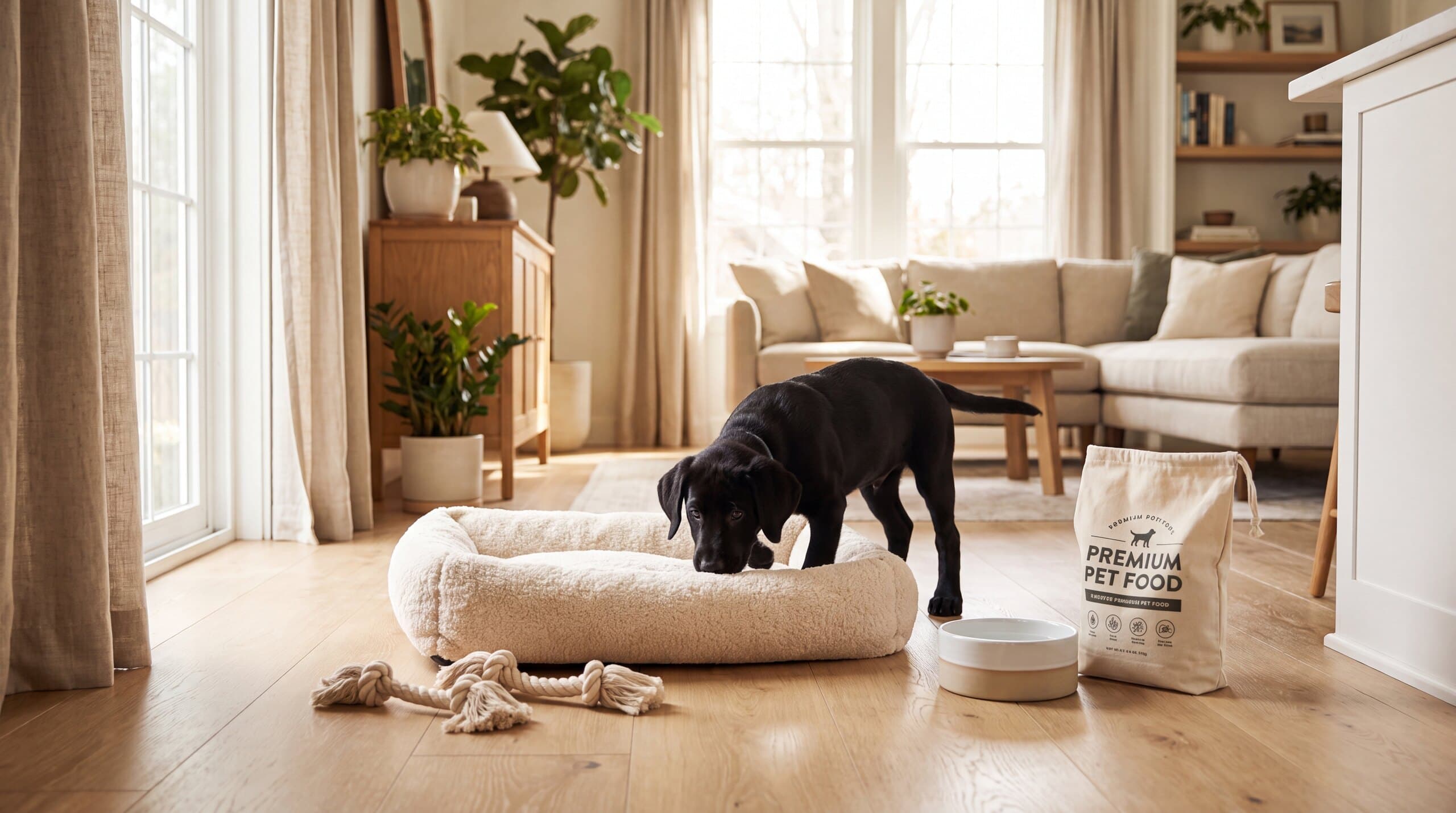
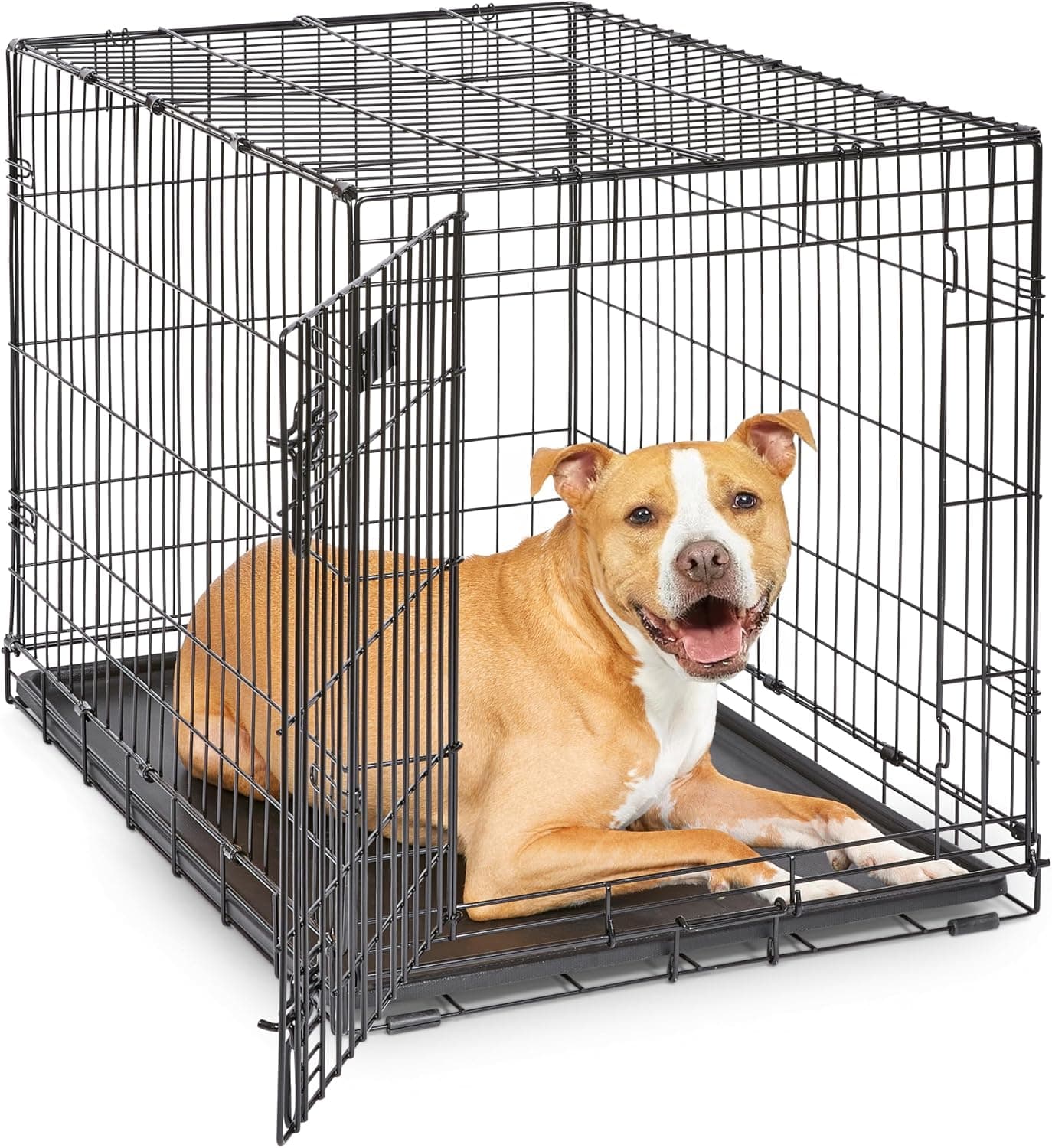
Set up a consistent sleeping space from night one, whether that is a crate or a designated bed, in the same location every night. Consistency in these first nights matters more than which setup you choose. If you have not already picked a crate, a bed, a bowl, and puppy pads, the starter items below are a reasonable place to begin.
Top picks at a glance
Dog Crates
Dog Beds

Puppy Pads

Dog Bowls

Establish a feeding and bathroom schedule immediately
A predictable schedule is the single biggest lever for house-training progress in week one. Feed at the same times each day, and take the puppy out immediately after eating, drinking, waking up, and playing, since these are the moments a puppy is most likely to need to go. Reward successful outdoor bathroom trips right away so the puppy connects the behavior with the outcome.
Stick to the food the breeder, shelter, or rescue was already using for at least the first several days. A sudden diet change on top of a new environment commonly causes stomach upset. If you plan to switch foods, do it gradually over a week or two once the puppy has settled in, and ask your veterinarian for guidance on timing and portioning for your puppy's age and size.
Schedule the first veterinary visit
Book a veterinary visit within the first week if one has not already happened as part of adoption. The AVMA recommends this visit cover a general health check, a vaccination schedule appropriate to the puppy's age, and a parasite screening. Bring any paperwork from the breeder, shelter, or rescue, since it affects what the vet still needs to do.
Involve the whole household early
Get everyone in the home on the same page before the first week is over: the same cues for house-training, the same rule about not feeding from the table, and the same reaction to jumping or nipping. Puppies learn fastest with consistency, and mixed signals from different people in the house tend to slow progress rather than a single wrong approach applied consistently. If children are part of the household, a short conversation about gentle handling and not disturbing the puppy while it sleeps or eats prevents a lot of early stress on both sides.
What is next
Once the first week has settled into a rhythm, the next priorities are usually consistent house-training routines and basic obedience foundations. For more gear detail, see our guides to dog crates, dog beds, and dog bowls. If you are unsure whether a food or household item is safe, check the dog food safety list before offering anything new.