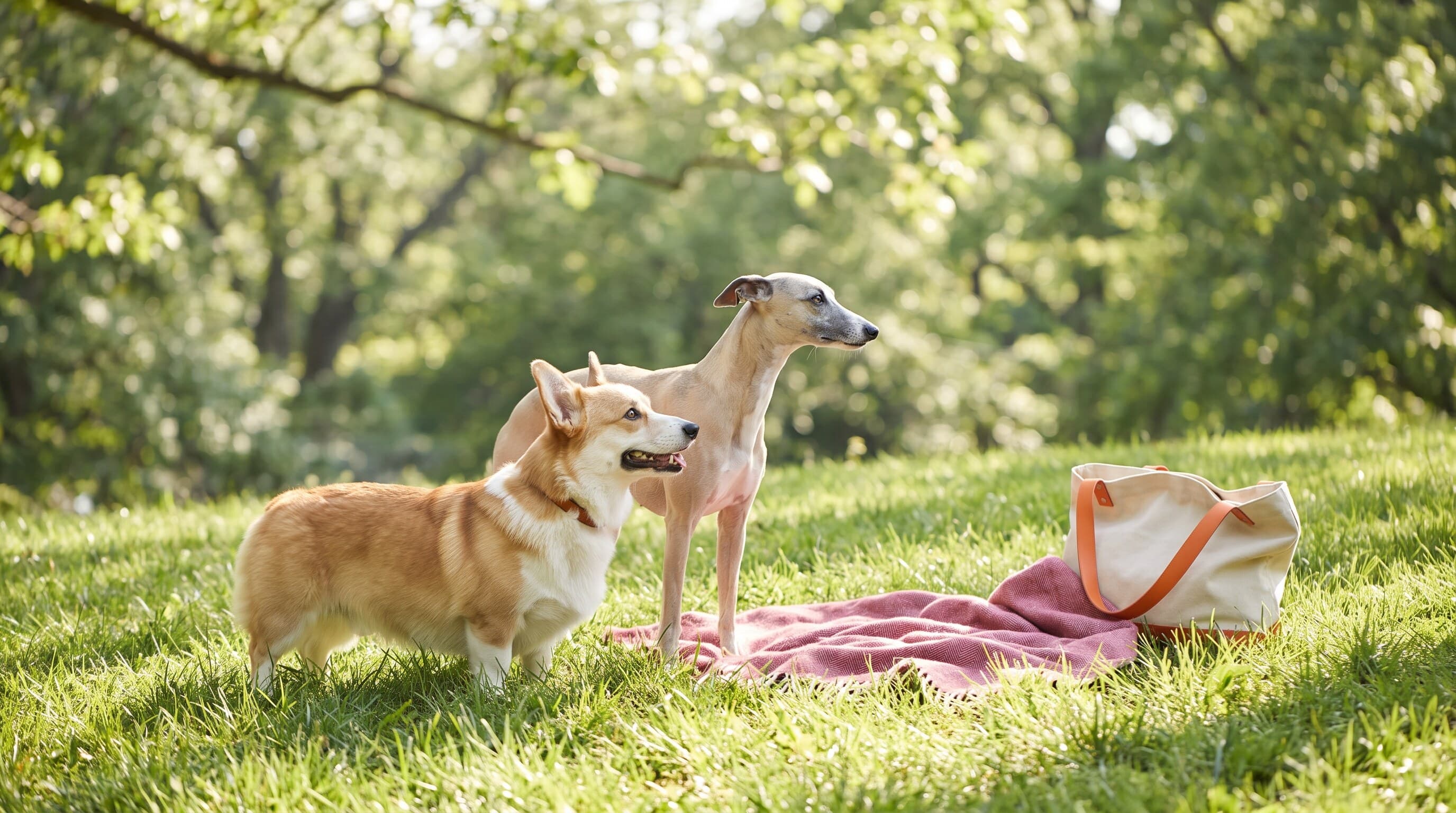
The best way to choose a dog is to match its needs to your actual life, not to fall for a look. As the American Kennel Club puts it, the best chance of a successful match is finding a dog whose energy, grooming needs, and size fit your lifestyle, activity level, and living conditions. A gorgeous dog that needs two hours of daily exercise you cannot give is a harder life for both of you than a plainer dog whose needs you can genuinely meet.
This guide walks through the questions that matter most, in roughly the order they should influence your decision.
If you want a structured first pass, use the dog breed matcher. It compares eight household preferences with published AKC trait scores, explains why each breed surfaced, and keeps the result framed as a starting list of breeds to meet rather than a promise about an individual dog.
Start with energy and exercise, not appearance
Energy level is the factor most likely to make or break the relationship. The AKC suggests being honest about whether you are an active person or a more relaxed one. A high-drive working or sporting breed needs real daily exercise and mental work, and without it that energy tends to come out as chewing, barking, or restlessness. A lower-energy dog is content with walks and downtime. Neither is better. The right answer is the one that matches how you actually spend your days, not how you hope to.
Living space matters less than you think
Apartment living does not automatically rule out larger dogs. The AKC notes that as long as a dog's exercise needs are met through walks and activity, the size of the living area matters less than people assume. A calm large dog can do well in an apartment, while a small, high-energy dog can feel cramped anywhere its exercise needs go unmet. Think about exercise access and noise tolerance more than square footage alone.
Grooming, shedding, and allergies
Coat type is a daily and financial commitment. Long or double coats need regular brushing and periodic professional grooming, while short coats are lower maintenance. If shedding or allergies are a concern, factor that in early. No breed is truly hypoallergenic, but coat type affects how much dander and hair ends up in your home. Be realistic about how much grooming time and cost you will actually take on before you commit.
Size, strength, and household fit
Size affects cost, handling, and safety. Larger dogs eat more, cost more to board, and are physically stronger on a leash, which matters if children or older adults will walk the dog. Consider who lives in your home and who will handle the dog day to day. If you have young children, also read our guide to introducing your dog to children, since supervision and body-language awareness matter regardless of breed.
Consider the individual, not just the breed
Breed tendencies are real, but they are generalizations. Within any breed, individual dogs vary in temperament, and mixed-breed dogs make up a huge share of loving family pets. The AKC offers a breed selector tool that matches your answers about lifestyle to breed traits, which is a useful starting point rather than a final answer. When you meet an actual dog, its individual personality tells you more than its label does.
Adoption considerations
Shelters and breed-specific rescues are full of dogs of every type, including purebreds and puppies, and shelter staff often know the individual dogs well. That knowledge is valuable: a good adoption counselor can tell you which dog is calm, which is playful, and which needs an experienced home. If you are set on a specific breed, breed rescues specialize in exactly that. For a fuller comparison of routes to a dog, see adopting versus buying a puppy.
Budget honestly before you choose
Different dogs cost different amounts to keep. Larger dogs and heavily coated breeds cost more in food and grooming over their lives. Before you commit to a type, read how much a dog costs per year so the dog you choose is one you can comfortably afford for a decade or more.
Making the decision
Write down your honest answers about activity level, grooming tolerance, household members, and budget, then look for a dog that fits most of them. The goal is not the perfect breed. It is a good match between a specific dog and your specific life, and that match is what turns a new dog into a lifelong companion.