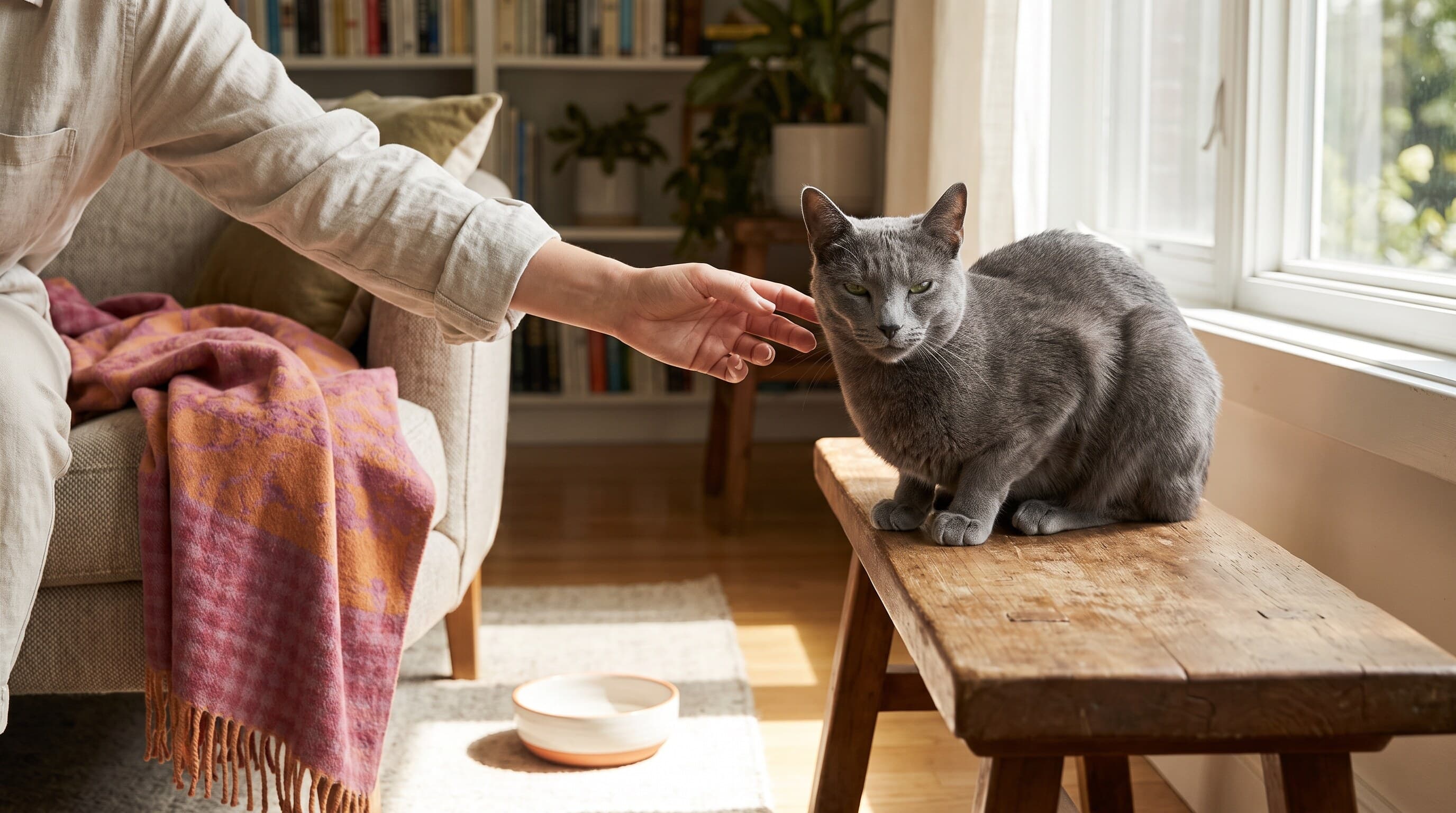
The best way to choose a cat is to focus on the individual cat's personality and how it fits your home, rather than a specific breed or color. As International Cat Care and shelter adoption experts consistently advise, a cat's temperament and history predict how it will live with you far better than its appearance does. A calm lap cat and a playful, independent hunter can look identical and want completely different homes.
This guide covers the factors that actually matter: age, temperament, coat, and the practical fit with your household.
Kitten or adult cat
Age is the first big decision, and each choice has honest trade-offs.
Kittens are adorable but demanding. As International Cat Care explains, kittens need supervision, kitten-proofing, and a great deal of attention, and their early weeks are a critical window for learning to enjoy human company. If you have the time to invest, you shape a kitten's socialization. If you do not, that is worth knowing before you commit.
Adult cats often come with an established personality, so you can know their energy level and quirks before adopting. The San Francisco SPCA notes that past behavior is a good indicator of future behavior, which makes an adult cat a more predictable match. Many adults are already litter trained and past the demanding kitten phase, which can make the transition smoother for a busy home.
Temperament and energy
Cats vary widely in how social, active, and independent they are. Some want constant lap time and follow you room to room. Others are affectionate on their own schedule and content to entertain themselves. Neither is better. The mismatch to avoid is adopting a highly active, playful cat when you want a quiet companion, or a shy, independent cat when you want a cuddler. Shelter staff spend time with these cats and can often point you to the temperament you are describing.
Coat and grooming
Coat length is a real commitment. Long-haired cats need regular brushing to prevent mats and can shed heavily, while short-haired cats are lower maintenance. If you are short on time or sensitive to shedding, a short coat is the easier fit. No cat is truly hypoallergenic, so if allergies are a concern, spend time around the specific cat before adopting rather than relying on breed reputation.
Lifestyle and household fit
Think about your home honestly. Do you have other pets, children, or a quiet household? A confident, social cat may do well with a busy family, while a shy cat may do better in a quieter home with fewer sudden changes. If you already have a pet, plan the introduction carefully and read what to know before getting a second pet before you decide. Indoor space, vertical perches, and scratching outlets matter to a cat's happiness, and a good cat tree or scratching post goes a long way in any home.
Questions to ask at the shelter
A good adoption counselor is your best resource. Ask what the cat's history is, how it responds to people, handling, and other animals, and whether it came from a home or as a stray. The San Francisco SPCA recommends learning as much as you can about the cat's past behavior and reactions, because that history tells you far more than a few minutes in a meeting room will. Ask whether the cat is litter trained, spayed or neutered, and up to date on its vaccinations.
Budget and the long view
Cats commonly live 15 years or more, so choose with that horizon in mind. Different cats cost different amounts to keep, especially long-haired cats that need grooming. Before you commit, read how much a cat costs per year so the cat you choose is one you can comfortably care for across its whole life. If this is your first cat, our new kitten checklist covers the first week at home.
Making the decision
List what you want in a cat: energy level, sociability, coat, and how it will fit with the people and pets you already have. Then let the shelter help you find the individual that matches. The right cat is not the prettiest one in the room. It is the one whose personality fits the life you can offer for the next decade and more.