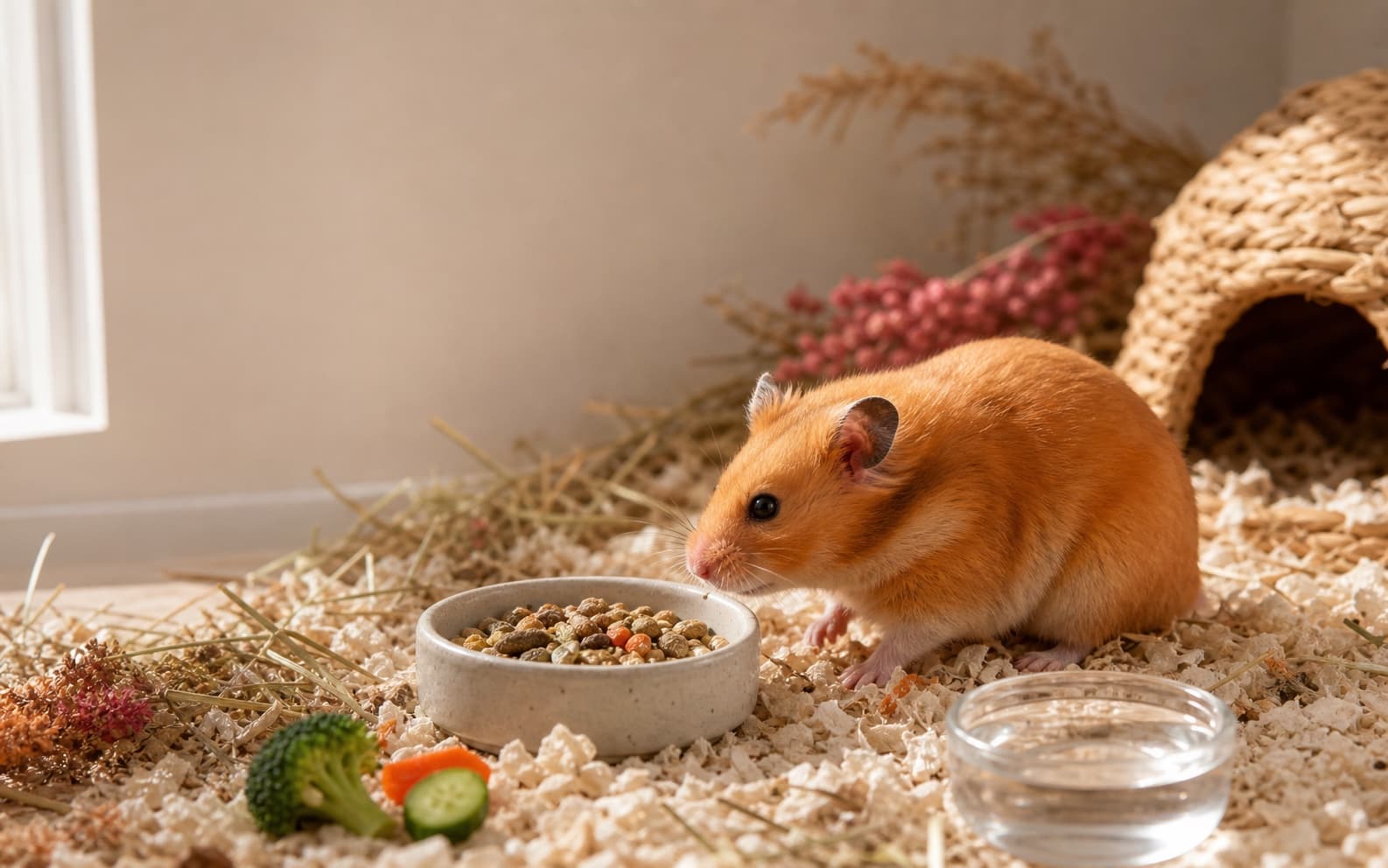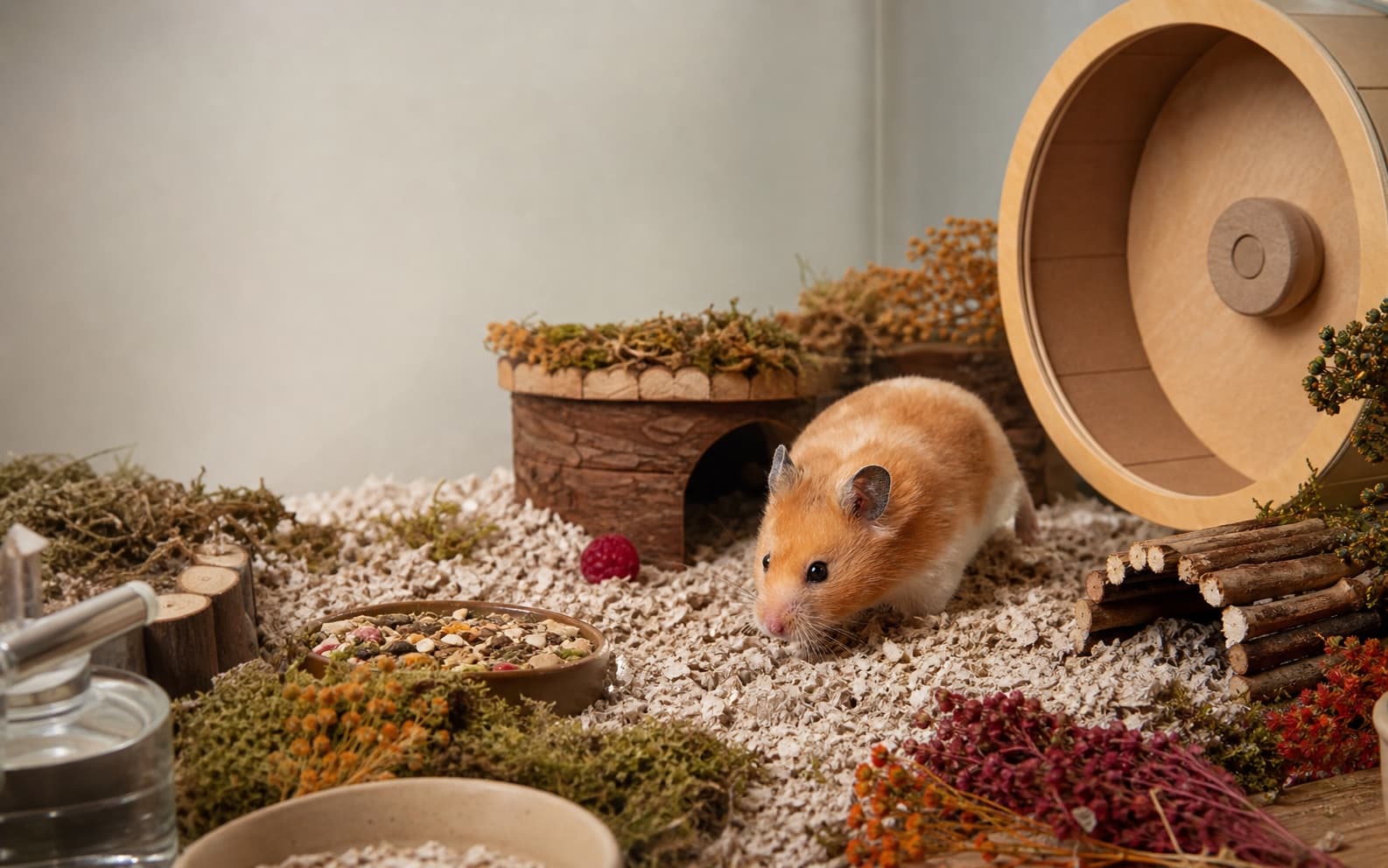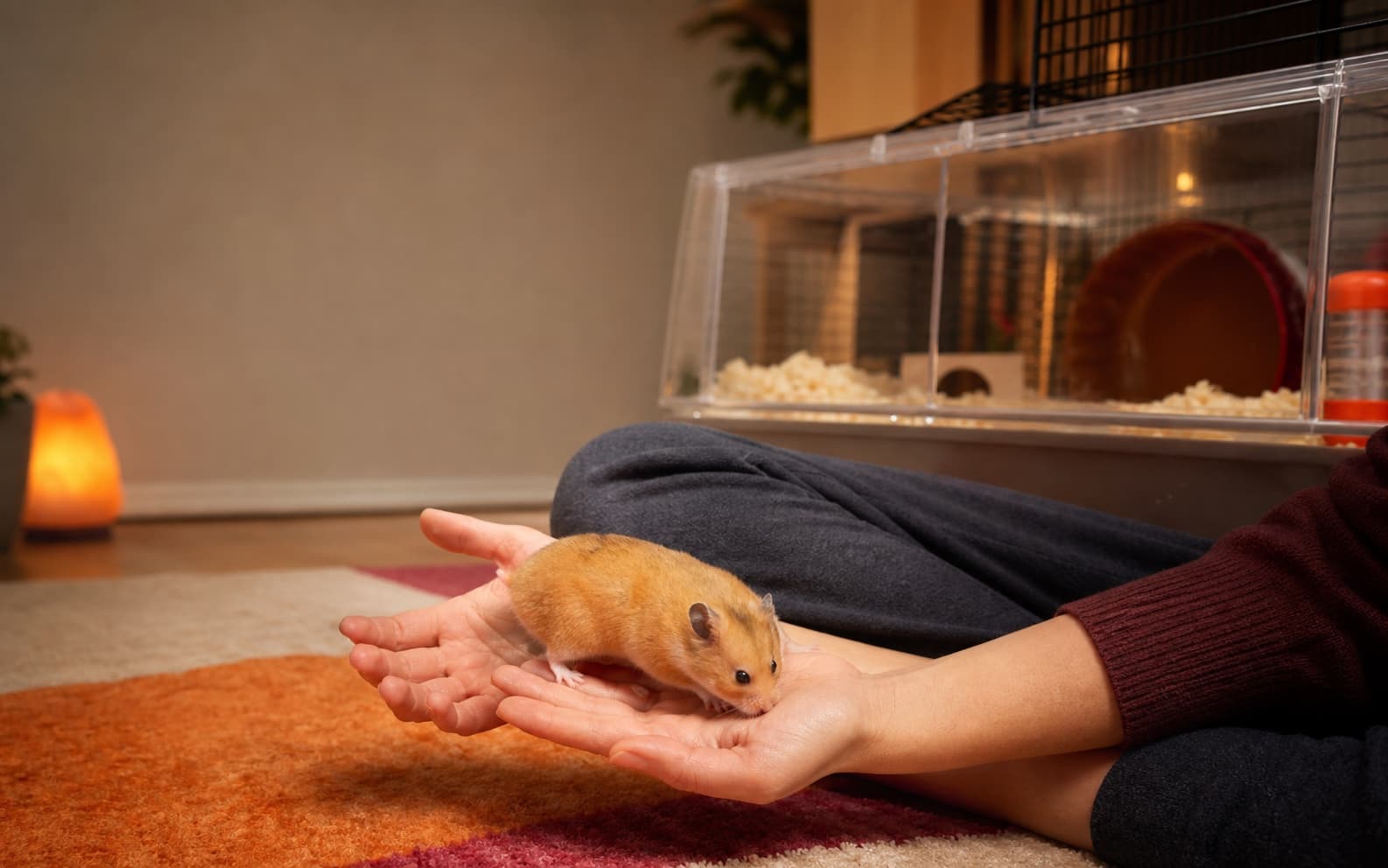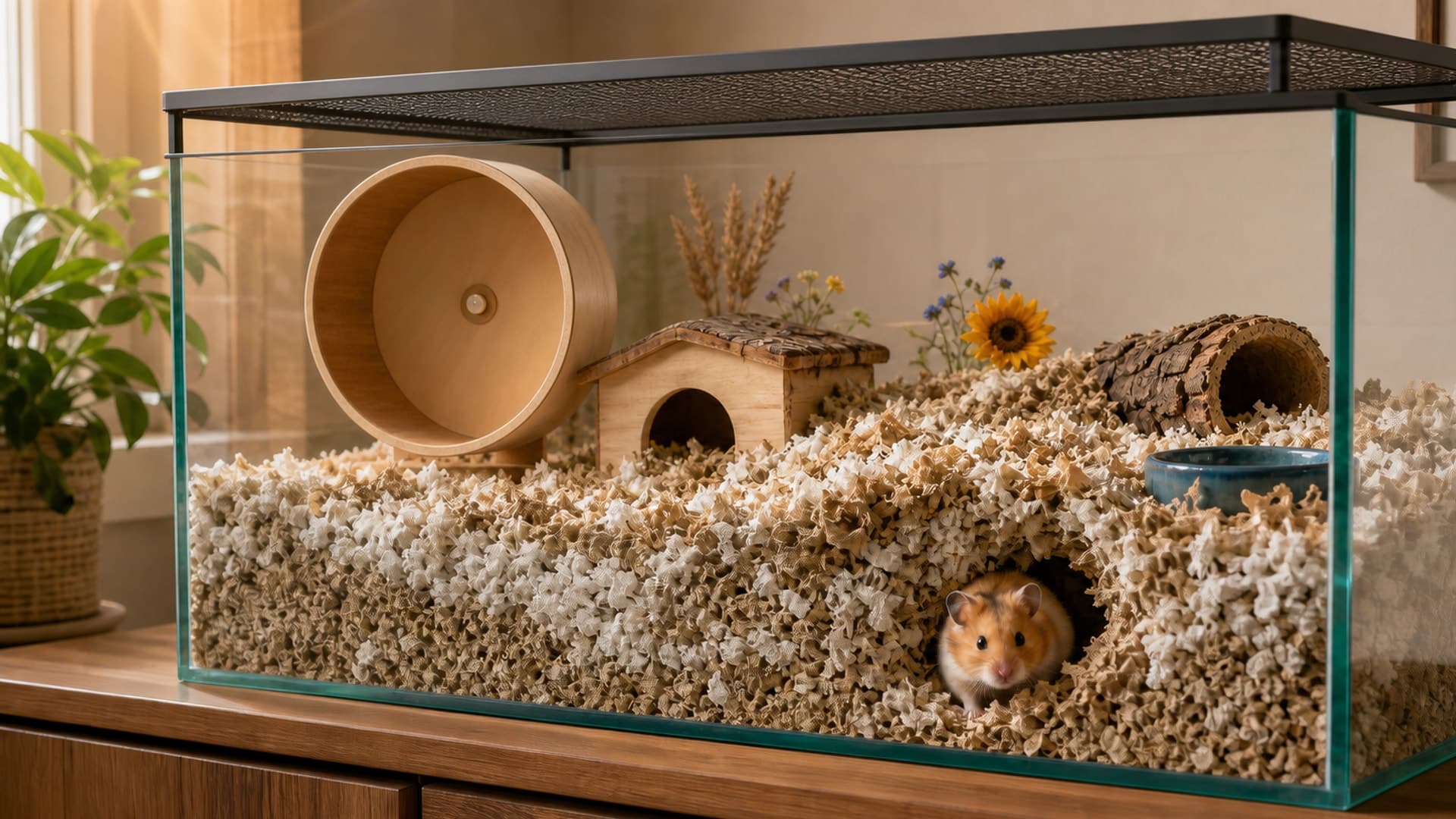
Buy bedding for the habitat you are filling, not for the size of the compressed bag. A deep enclosure can absorb an entire small refill before the first burrow is formed.
The Blue Cross hamster care guide recommends plenty of deep, dust-extracted bedding and names paper, wood pulp, and hemp as suitable choices. Woodgreen's hamster care guide recommends at least six inches across most of the enclosure, with a 10 to 12 inch digging area, and includes soft paper bedding among the materials that hold burrows well.
This shortlist stays with three exact paper products. The comparison uses label facts that owners can verify: expanded volume, paper color, the manufacturer's dust claim, compressed size, and storage footprint. The opened bag and finished habitat remain the practical checks for absorbency and tunnel strength.
Top picks at a glance
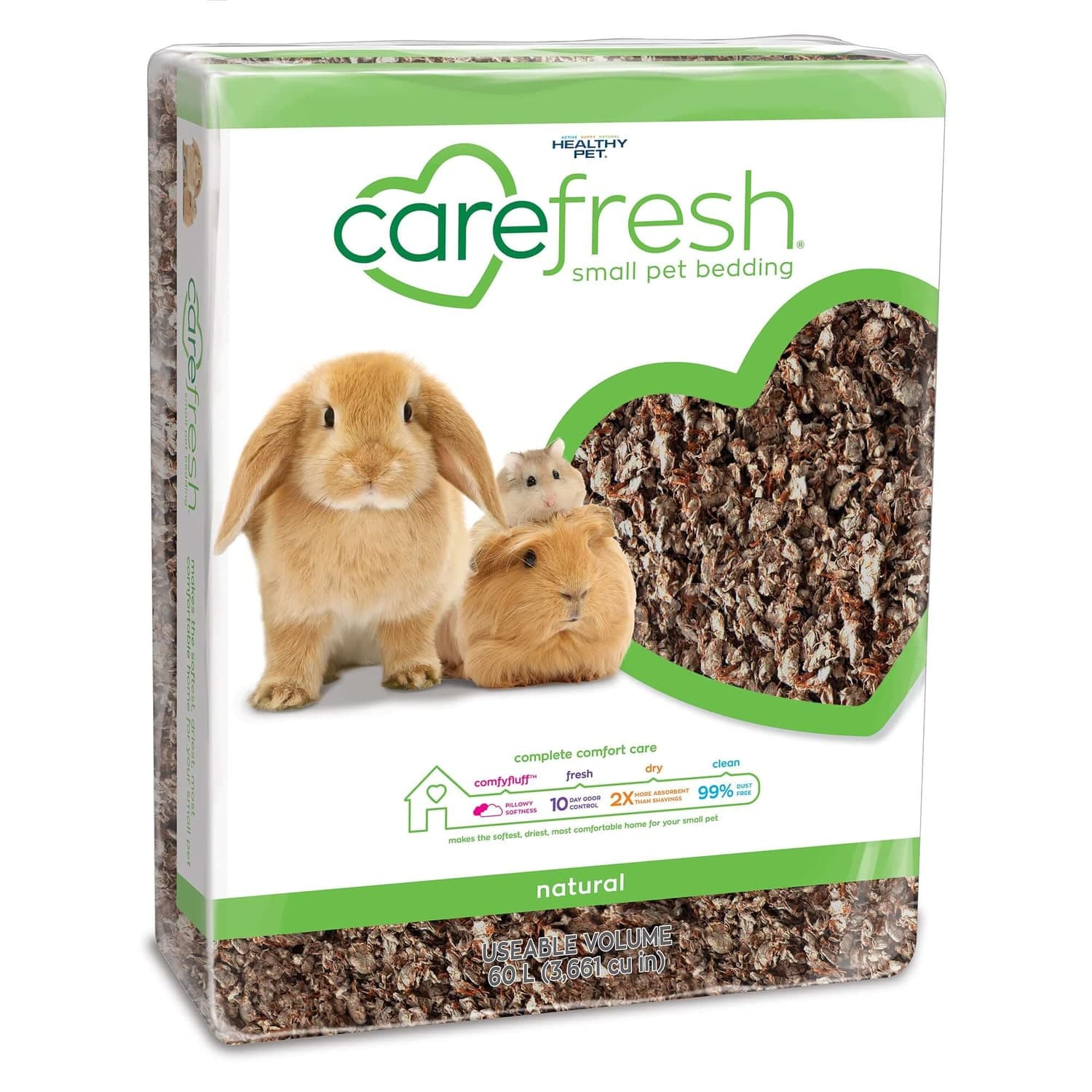 Best Mid-Size RefillNatural Paper Small Pet BeddingShopView at Amazon for Natural Paper Small Pet Bedding, 60 L (opens in a new tab)
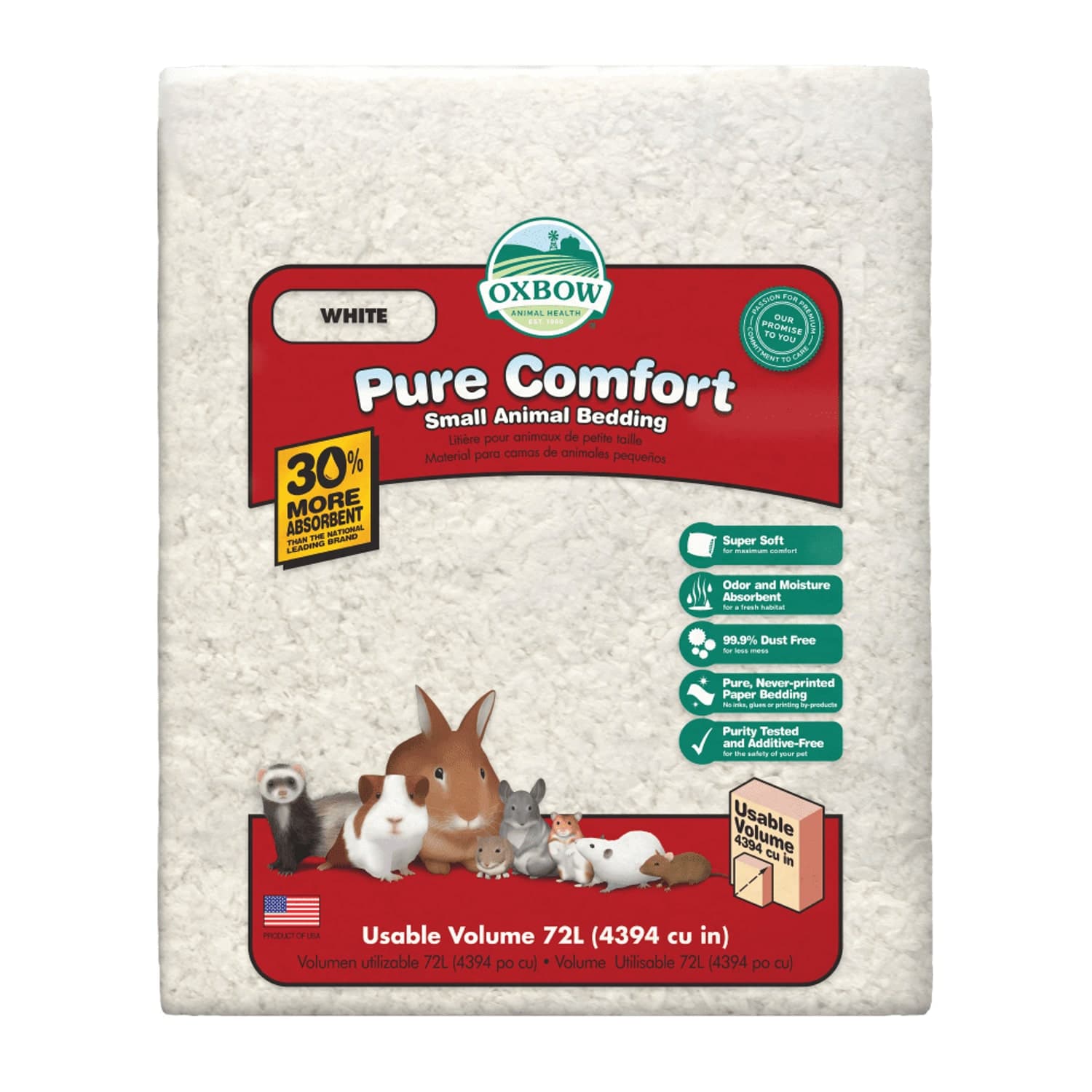 Best White RefillPure Comfort White BeddingShopView at Amazon for Pure Comfort White Bedding, 72 L (opens in a new tab)
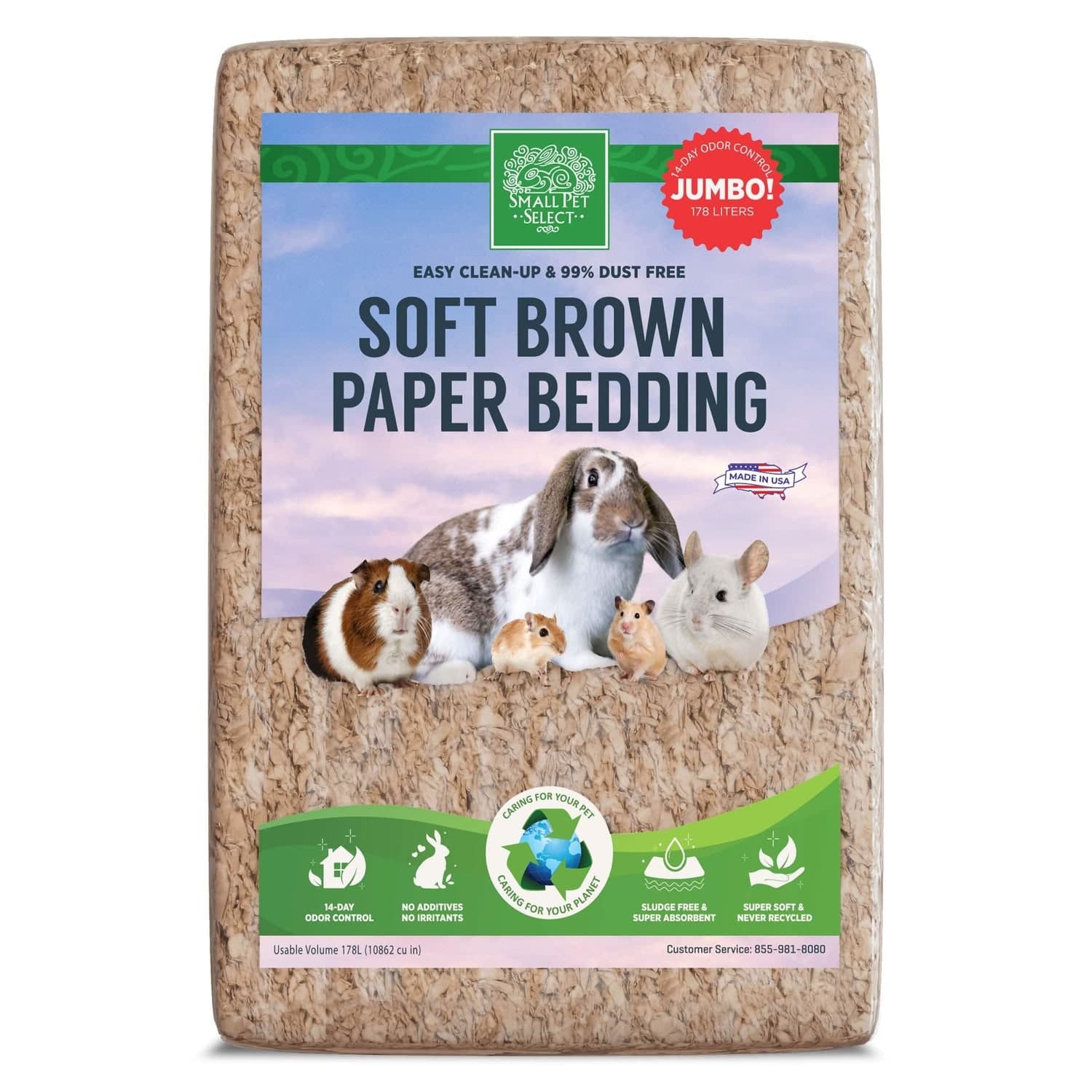 Best Bulk PackPremium Soft Paper BeddingShopView at Amazon for Premium Soft Paper Bedding, 178 L (opens in a new tab)
Calculate the refill before choosing the brand
Measure the bedding zone inside the enclosure in centimeters. Multiply length by width by finished depth, then divide by 1,000 to estimate liters.
Length x width x bedding depth / 1,000 = approximate liters
A 100 by 50 cm floor filled to 15 cm would require roughly 75 liters before hides, supports, and the natural settling of fluffed paper change the real amount. A deeper 25 cm section over half that floor adds another 62.5 liters.
Use the calculation as a purchase-planning estimate, not a promise of exact bag coverage. Paper expands differently after opening, and a finished habitat contains platforms, tunnels, and deeper or shallower zones.
Swipe or use arrow keys to compare every column.
| Paper bedding | Expanded volume | Paper and color | Published label |
|---|---|---|---|
| carefresh Natural | 60 L | Reclaimed natural paper fiber, brown | 99% dust free; naturally unscented |
| Oxbow Pure Comfort White | 72 L | Pure, never-printed paper, white | 99.9% dust free |
| Small Pet Select Soft Paper | 178 L | Brown cellulose paper fiber | 99% dust free; 52 L compressed |
Three paper refill plans
CAREFRESH
Natural Paper Small Pet Bedding
- Expanded volume
- 60 liters
- Compressed volume
- 25.7 liters
- Material
- Reclaimed natural paper fiber
- Color
- Natural brown
- Published dust claim
- 99% dust free
- Fragrance
- Naturally unscented
A 60 liter natural-brown paper refill made from reclaimed fiber. The published 25.7 liter compressed volume makes it the smallest storage commitment in this researched group while still filling a substantial deep-bedding zone.
See more detailSee less detail
Strengths
- Smallest storage commitment in this comparison
- Natural-brown paper makes mixed bedding zones easy to distinguish
- Manufacturer publishes both expanded and compressed volume
Weaknesses
- Smaller pack needs replacing sooner in a large enclosure
- Brown paper makes a small wet spot less obvious than white bedding
- Published dust percentage still needs a bag-by-bag visual check
Best for
A first paper-bedding setup or a household that wants a manageable refill bag before committing to bulk storage
carefresh is the smallest storage commitment in this comparison. The 60 liter Natural pack expands from a published 25.7 liter compressed volume and uses natural-brown reclaimed paper fiber.
That makes it a sensible first order when you need to learn how much a finished enclosure actually consumes. The tradeoff is refill frequency: a broad 100 by 50 cm floor may use most or all of the bag once the bedding reaches useful depth.
The manufacturer describes the material as naturally unscented and publishes a 99 percent dust-free claim. Read that percentage as label information, then check the opened bag and the hamster's ordinary behavior.
OXBOW
Pure Comfort White Bedding
- Expanded volume
- 72 liters
- Material
- Pure, never-printed paper
- Color
- White
- Published dust claim
- 99.9% dust free
- Package format
- Compressed bag
- Manufacturer role
- Nesting, digging, and hiding
A 72 liter white paper bedding whose label identifies pure, never-printed paper and a 99.9 percent dust-free claim. The white field makes a damp or discolored patch easier to notice during an ordinary enclosure check.
See more detailSee less detail
Strengths
- White paper makes changed areas easier to spot
- Largest mid-size bag in this comparison
- Manufacturer publishes the paper source language and dust claim
Weaknesses
- White bedding shows tracked food and substrate quickly
- Manufacturer directions are generic across several small-pet species
- Published dust percentage still needs a bag-by-bag visual check
Best for
Owners who want a white paper field for easier visual checks without storing a bulk 178 liter pack
Oxbow adds 12 liters over the carefresh pack and changes the visual field from brown to white. The manufacturer identifies the material as pure, never-printed paper and publishes a 99.9 percent dust-free claim.
White bedding makes a damp, discolored, or tracked area easier to spot during a daily check. It also shows scattered food and darker substrate quickly, which is useful information rather than a cleanliness failure.
The 72 liter bag is still a mid-size refill. It can fill the estimated 15 cm baseline on a 100 by 50 cm floor only before settling, deeper zones, and future top-ups enter the plan.
SMALL PET SELECT
Premium Soft Paper Bedding
- Expanded volume
- 178 liters
- Compressed volume
- 52 liters
- Material
- Brown cellulose paper fiber
- Color
- Natural brown
- Published dust claim
- 99% dust free
- Bag size
- 24 by 16 by 10 inches
A 178 liter bulk paper refill compressed into a published 24 by 16 by 10 inch bag. It is the storage-first choice for a large habitat whose deep zone consumes most of a smaller paper bag during setup.
See more detailSee less detail
Strengths
- Largest expanded volume in this comparison
- Published compressed volume and bag dimensions support shelf planning
- Natural-brown paper can form a visible layer with white bedding
Weaknesses
- The large bag needs a dedicated dry storage location
- Higher total checkout cost than the two mid-size refills
- Published dust percentage still needs a bag-by-bag visual check
Best for
A large permanent habitat with room to store one bulk refill dry and fully supported
Small Pet Select is the bulk-storage option. The company publishes 178 liters expanded from 52 liters compressed, with a bag measuring 24 by 16 by 10 inches. Those dimensions matter: the refill needs a dry shelf or bin before it needs a place in the habitat.
The natural-brown paper works as a single base or as a visible layer beneath white paper. Layering colors does not prove that a tunnel is stable, but it makes bedding depth easier to read through a clear wall.
The larger order costs more at checkout and asks more of the room. It makes sense when the measured habitat already shows that 60 or 72 liters would become a near-immediate reorder.
Build depth without burying the equipment
Place the wheel and other heavy equipment on supports that reach the enclosure floor. Fluff and layer the paper around those supports rather than balancing a wheel on loose bedding.
Keep a visible air gap above the complete wheel. The lid should close securely without touching the wheel, and the wheel should rotate without bedding packed beneath its track or stand. A deep-bedding plan that disables the wheel is not finished.
Give most of the floor useful depth, then create a deeper digging zone where the enclosure height allows it. Add plain shredded paper for nesting. Avoid cotton wool and other fluffy materials that separate into strong strands.
Refresh the wet area, preserve the home
Woodgreen recommends spot cleaning daily and retaining as much clean used bedding as possible during a refresh. That keeps the work focused on damp or soiled areas instead of repeatedly dismantling a familiar burrow system.
Store the open refill dry and closed against household debris. Check the enclosure after water-bottle changes, around the sand bath, and beneath fresh-food locations. Add clean paper when the burrow zone settles below the planned depth.
Use the hamster bedding and burrowing guide to map the finished depth. Then compare the researched paper shelf or browse current bedding listings.