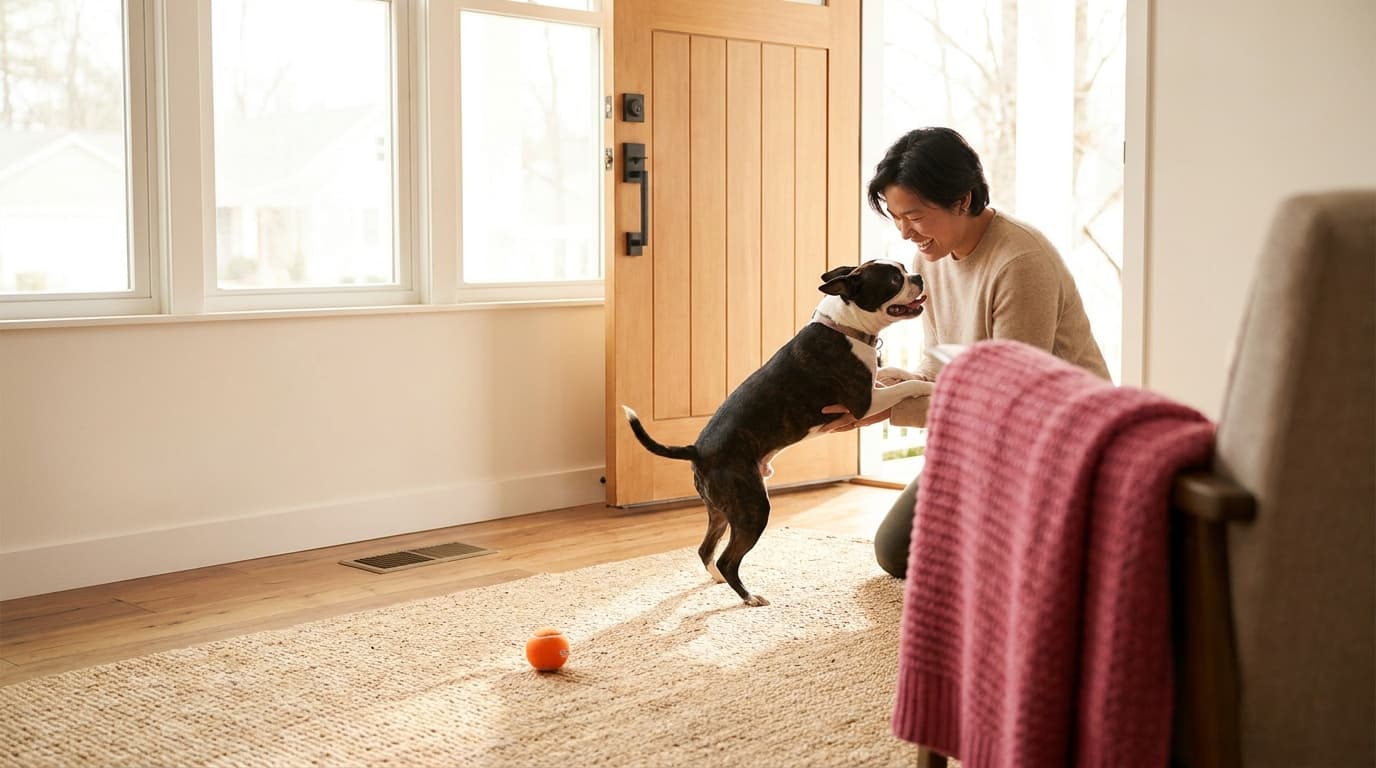
When you have to travel without your pet, the decision usually comes down to two options: hire someone to care for your pet in your own home, or book a spot at a boarding facility. There is no single right answer, because the best choice depends on your pet's temperament, health, and social needs. What matters most is doing your due diligence, and the guidance from Pet Sitters International makes the same point: there is no "one size fits all" when it comes to trusted pet care. This guide walks through the tradeoffs and the questions that separate a good arrangement from a risky one.
In-home sitter versus a boarding facility
An in-home pet sitter comes to your house, so your pet stays in a familiar environment with its own bed, smells, and routine. That continuity can be a real advantage for cats, senior pets, anxious animals, or pets that do not do well around strange dogs. The tradeoff is that your pet is alone between visits, and one person is responsible without the backup of a staffed building.
A boarding facility offers a supervised, structured setting with staff on site, and some are attached to veterinary practices where medical help is close at hand. The tradeoff is a new environment, exposure to other animals, and, for some pets, more stress. In an AAHA feature on boarding at veterinary hospitals, staff describe going to real lengths to give nervous animals extra attention and keep them safe, which is exactly the level of care worth looking for wherever you book.
What to look for either way
Whichever option you choose, a few markers signal a professional, careful operation:
- References and reputation. Ask for references from other clients and actually call them. PSI notes that vetting a sitter takes an investment of time, including phone interviews and checking references thoroughly.
- Insurance and bonding. For an in-home sitter, ask whether the business is bonded and insured. PSI lists this among the important questions every pet owner should ask.
- A meet-and-greet first. Schedule an in-person meeting, sometimes called an initial consultation, so you can watch how the person interacts with your pet and review their services and policies before you commit.
- Vaccination requirements. A reputable boarding facility requiring proof of vaccination is protecting the pets in its care, not creating red tape. It is a sign the facility takes disease prevention seriously.
- Cleanliness and an emergency plan. Whether it is a home or a building, look for clean, secure spaces and a clear plan for what happens if your pet gets sick or hurt, including access to a veterinarian.
For facilities, accreditation is a useful shortcut. Practices that meet the American Animal Hospital Association's standards are evaluated on cleanliness, medical records, emergency care, and more, so an AAHA-accredited setting has cleared a demanding, independent bar.
Questions worth asking
Bring a short list to your meet-and-greet. Good ones include: Who exactly will be with my pet, and what is their experience? What is the daily schedule for feeding, walks, and rest? How many other animals are here at once, and how are they separated? What happens in a medical emergency, and which veterinarian do you use? Are you bonded and insured, and do we sign a written services agreement? PSI publishes a free pet-sitter interview checklist covering questions like these, from business practices to whether the sitter uses a contract.
A confident, professional caregiver will welcome these questions and answer them plainly. Vagueness, defensiveness, or reluctance to let you see where your pet will stay are all reasons to keep looking.
Leave clear instructions and records
Once you have chosen a caregiver, set them up to succeed. The AVMA's guidance on ensuring your pet is protected when you're away recommends naming a trusted person to make emergency decisions and giving them what they need to act. Put together:
- Your contact details and a backup contact, plus how to reach you while traveling.
- Your regular veterinarian's name and number, and a preferred emergency clinic.
- Feeding amounts and schedule, medication instructions, and where supplies are kept.
- Any medical conditions and how you would want an emergency handled, including any treatments you would not authorize without your consent.
- Payment arrangements for veterinary costs, since as the owner you remain responsible for them.
The AVMA also suggests putting these details in writing and signing them, because many sitters, boarding services, and clinics use their own emergency authorization forms. A little paperwork up front prevents delays in care at the worst possible moment.
When to loop in your veterinarian
If your pet has a chronic condition, takes daily medication, or gets very anxious away from you, talk with your veterinarian before you travel. They can advise on whether boarding or an in-home sitter is the better fit, and flag anything a caregiver should watch for. This is guidance, not a diagnosis: any specific health or behavior concern belongs with your veterinarian or a qualified behaviorist, not a boarding intake form.
The bottom line
Choosing between a pet sitter and a boarder is less about which is better in the abstract and more about which fits the animal in front of you. Do the legwork: meet the caregiver, check references, confirm insurance or accreditation, and leave thorough records so your pet is cared for exactly the way you would want. If you are also mapping out the logistics of a trip, our guide to how to travel with a dog covers the planning that goes hand in hand with lining up care at home.