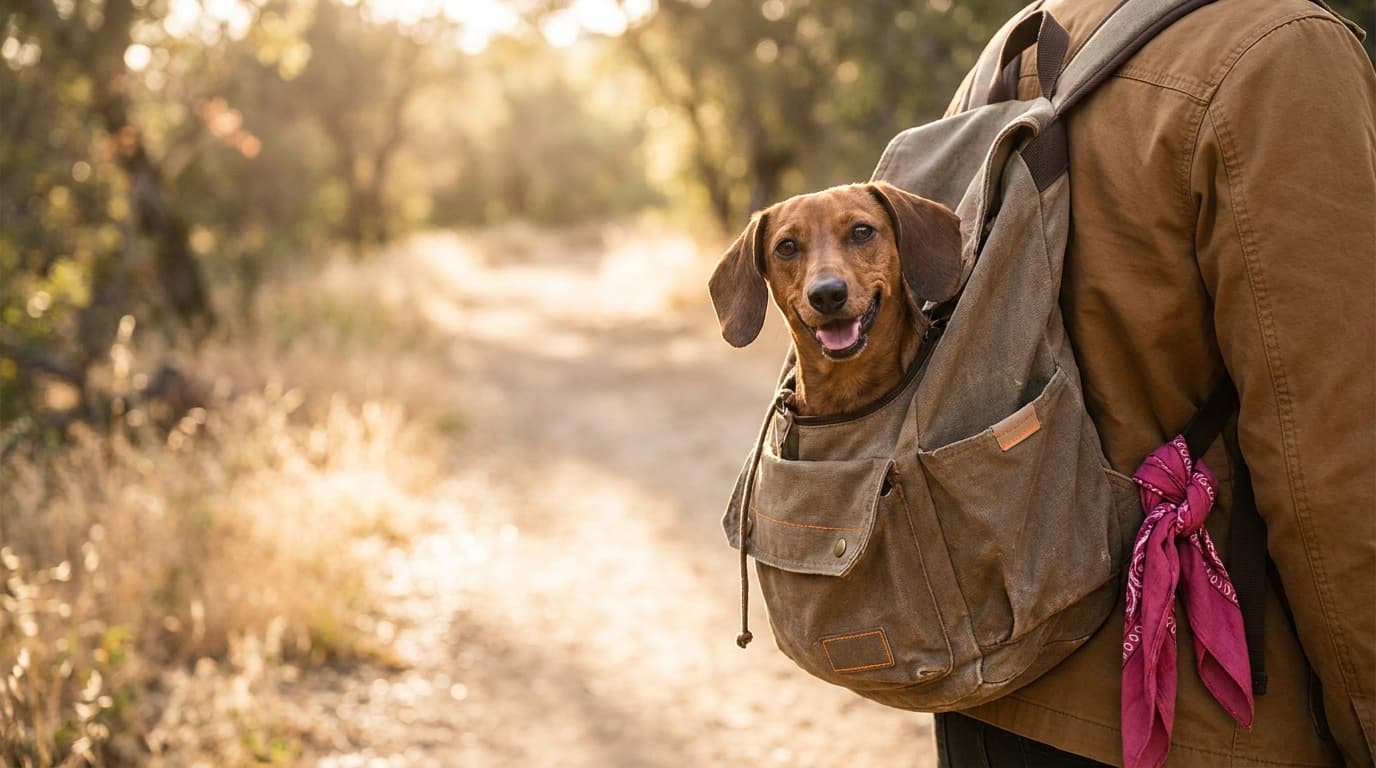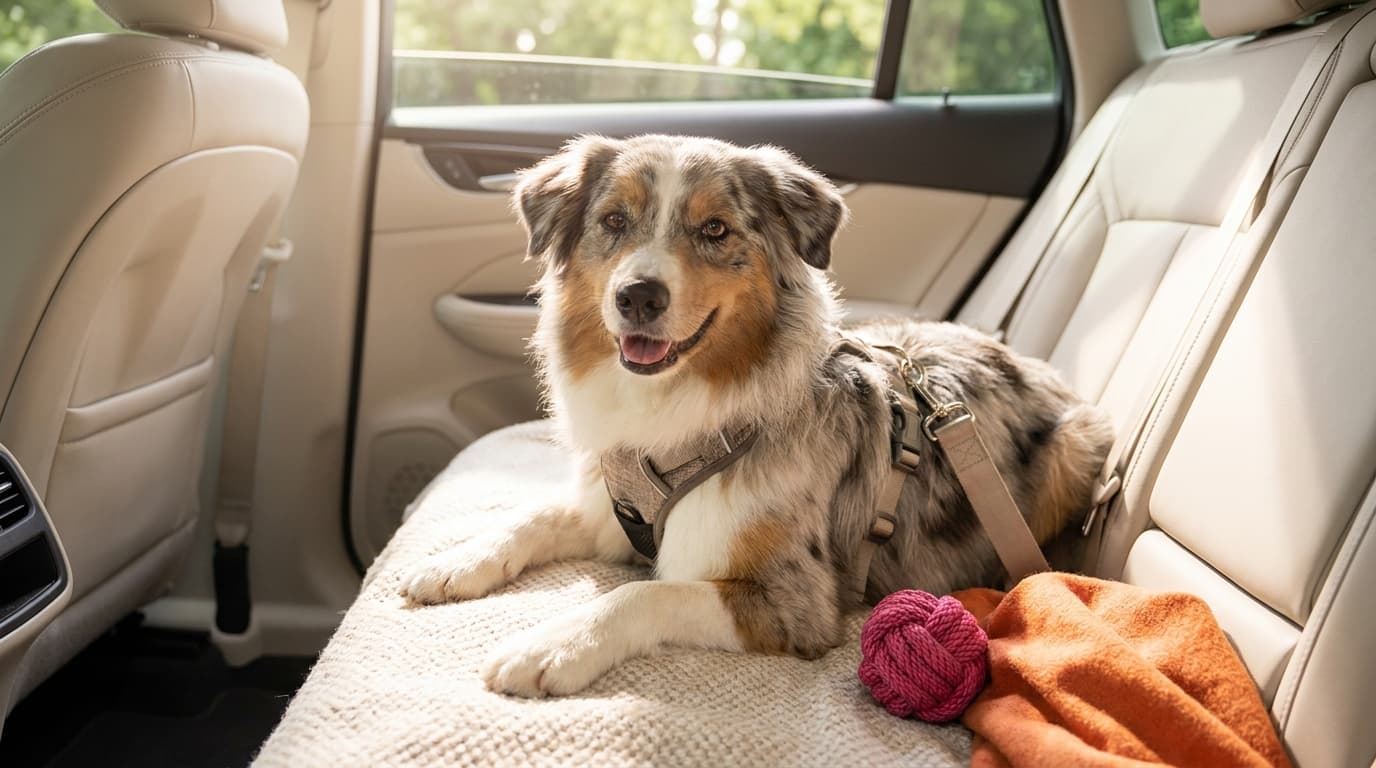
A dog seat belt is really a tether that clips a harness to your car, and its everyday job is simple but valuable: it keeps a dog from roaming the cabin, climbing into your lap, or leaping toward a window, which is one of the most common causes of distracted driving with a pet aboard. It also stops a dog from bolting out an open door at a rest stop. What a tether does not reliably do is protect a dog like a tested child seat protects a child, and that distinction shapes every pick below. This guide compares five restraints across attachment style, shock absorption, and how they fit different vehicles.
Product details come from published specifications and patterns in owner feedback. House Pet Authority earns a commission from qualifying retailer purchases, at no cost to you.
Top picks at a glance
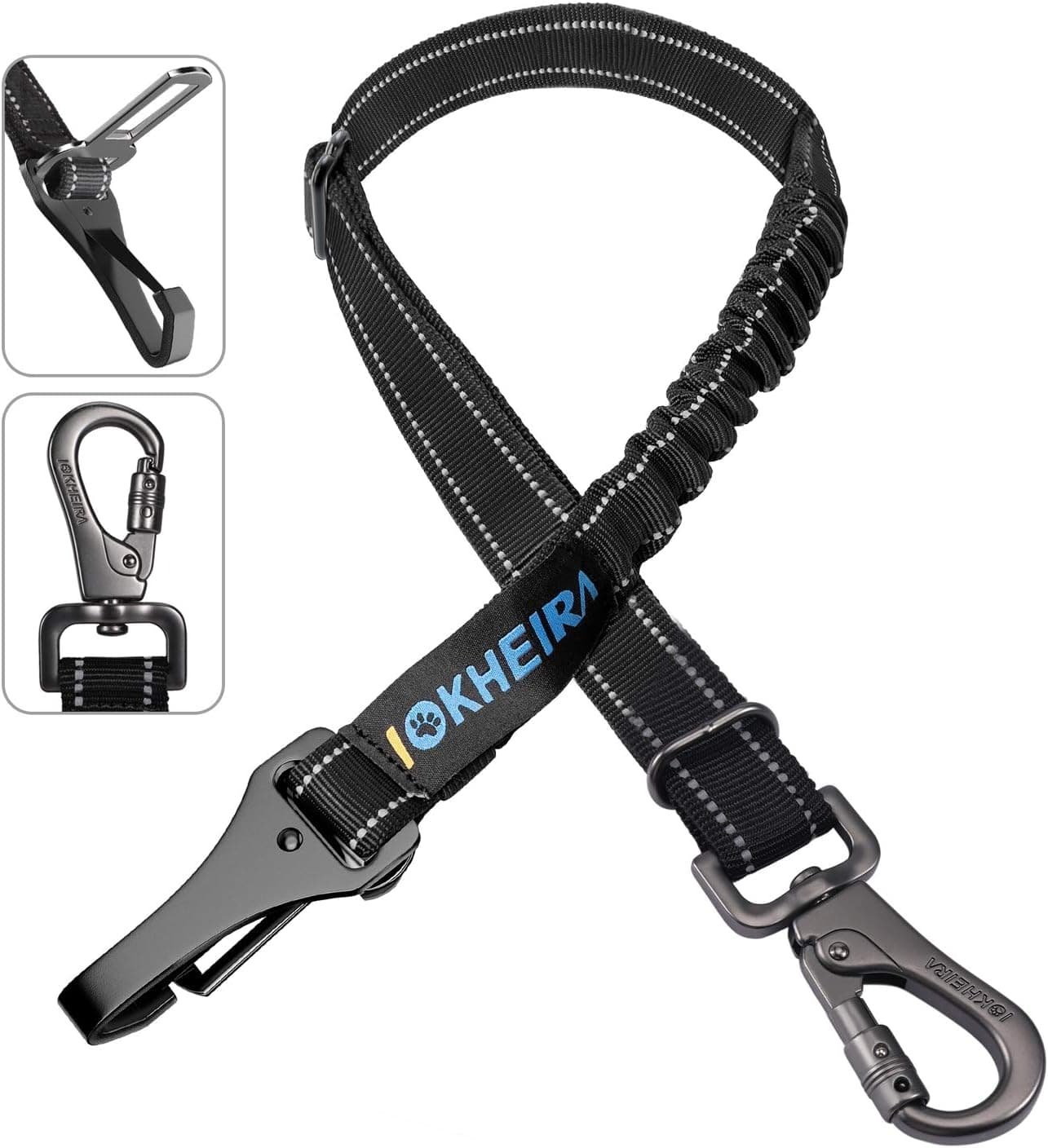 Best OverallDog Seat Belt 3-in-1 Car Harness TetherShopView at Amazon for IOKHEIRA Dog Seat Belt 3-in-1 Car Harness Tether, Adjustable Reflective Bungee with Clip Hook, Latch & Buckle, Swivel Zinc Alloy Carabiner, Black (opens in a new tab)
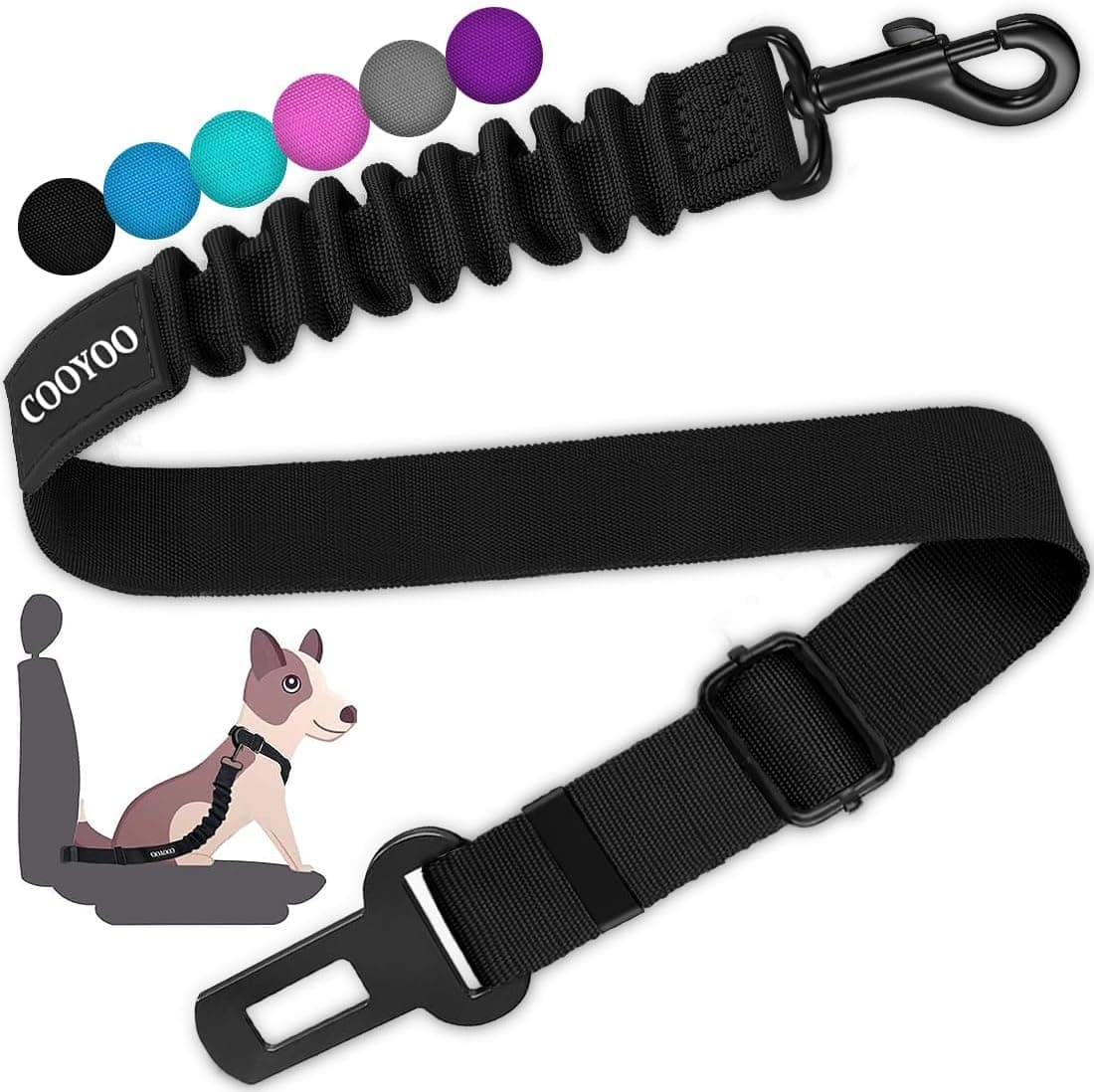 Best ValueDog Seat BeltShopView at Amazon for COOYOO Dog Seat Belt, Retractable Dog Car Harness Tether, Adjustable Nylon Pet Safety Seat Belt, Heavy Duty & Elastic, 1 Pack Black (opens in a new tab)
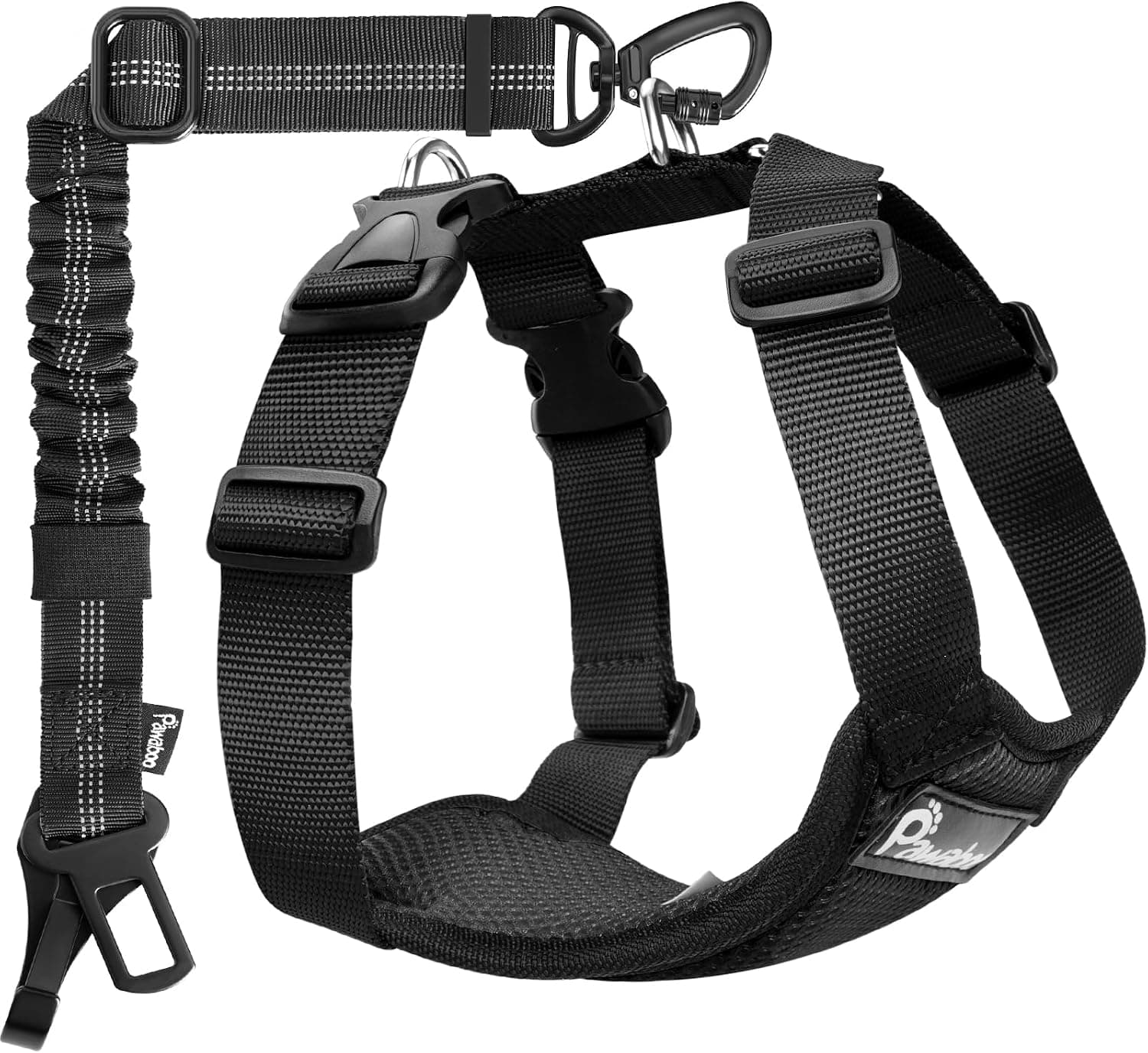 Dog Seat Belt Harness Tether for Car with Double ClipsShopView at Amazon for Pawaboo Dog Seat Belt Harness Tether for Car with Double Clips, Adjustable Breathable Safety Tether with Elastic Bungee for Small Medium Large Pets, Black (opens in a new tab)
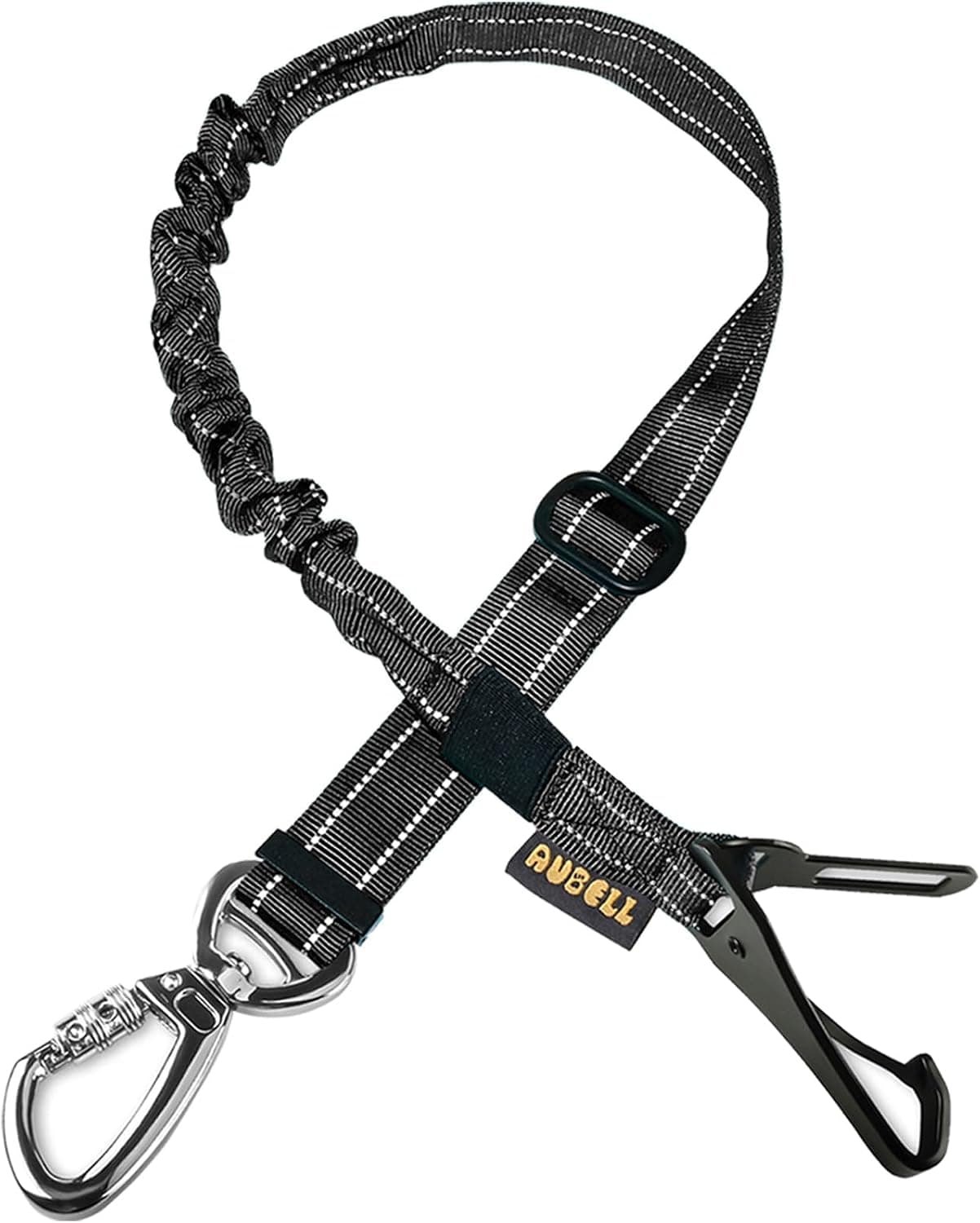 Dog Seat Belt for CarShopView at Amazon for AUBELL Dog Seat Belt for Car, 3-in-1 Adjustable Reflective Bungee Heavy Duty Tether with Clip Hook, Latch & Buckle, Swivel Zinc Alloy Carabiner, Black (opens in a new tab)
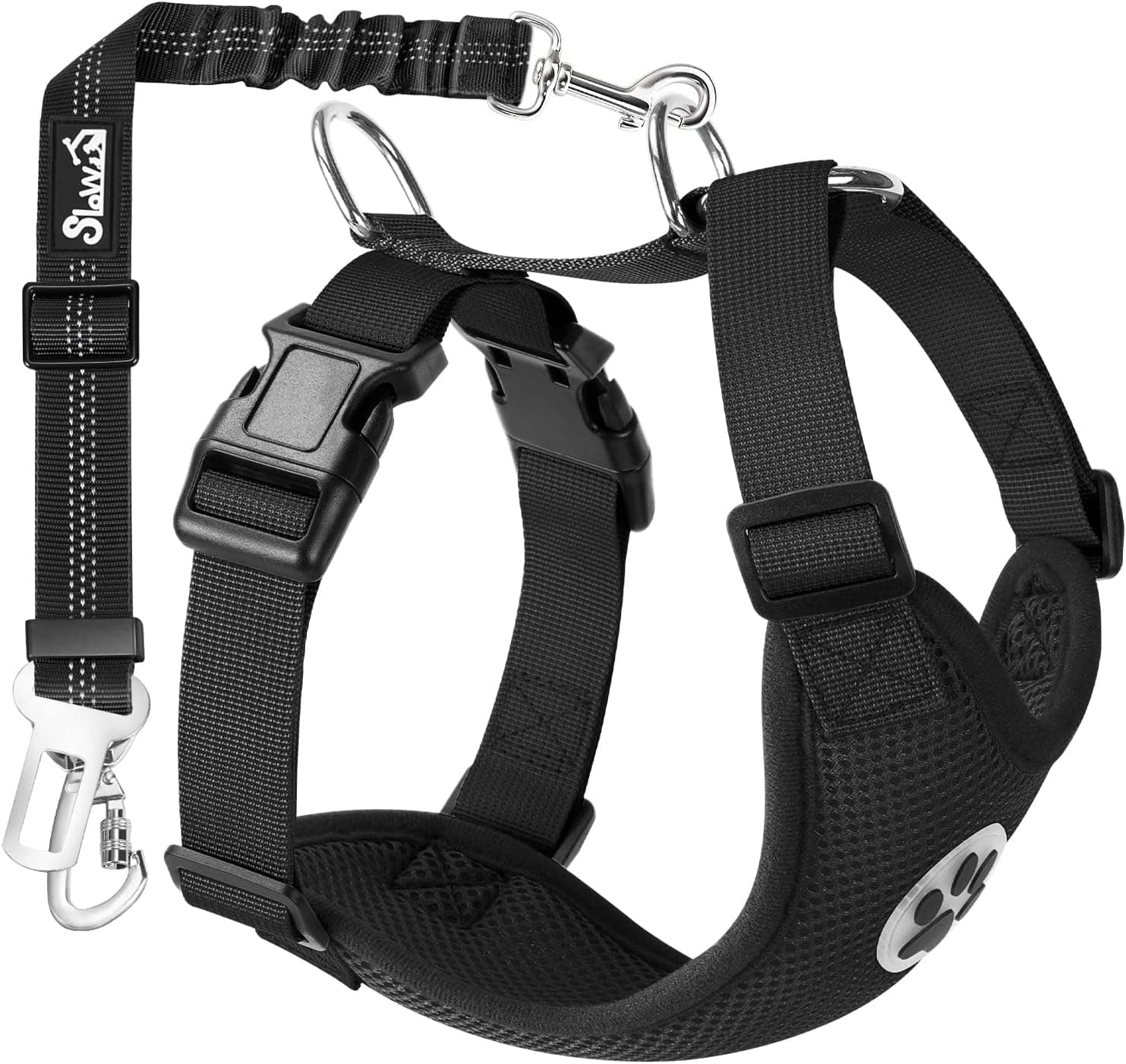 Dog Seat Belt Harness for CarShopView at Amazon for SlowTon Dog Seat Belt Harness for Car, Adjustable Mesh Breathable Vest & Safety Tether with Elastic Bungee for Small Medium Large Pets, Black, Double Clip, M (opens in a new tab)
How to choose a dog seat belt
Start with the honest safety picture. The vast majority of tethers sold, including every pick here, are restraints designed to reduce driver distraction and keep a dog contained, not devices independently crash-tested to a published standard. If your priority is genuine crash protection, the American Veterinary Medical Association recommends securing a dog for travel, and the strongest option is a crash-tested harness or a secured crate rather than a simple strap. Treat the products below as distraction-reducers and containment aids, and never expect a tether to perform like a rated restraint in a collision.
Then match the hardware to your car. A 3-in-1 tether connects three ways (a seatbelt clip, a LATCH anchor, or a buckle), so it fits most vehicles. A retractable or fixed strap that clips into the seatbelt buckle is simpler and cheaper. A double-clip tether attaches at two points to limit side-to-side swing. Whatever you pick, always clip a tether to a well-fitted harness across the chest, never to a collar, because a hard stop against a neck attachment can cause serious injury. Look for an elastic or bungee section that softens sudden stops, and adjust the length short enough that your dog cannot reach a window or the front seats.
The picks
IOKHEIRA
Dog Seat Belt 3-in-1 Car Harness Tether
- Type
- 3-in-1 tether
- Attachments
- Seatbelt clip, latch, buckle
- Shock
- Reflective bungee section
- Hardware
- Swivel zinc alloy carabiner
- Fit
- Adjustable length
A 3-in-1 tether that connects three ways, to the seatbelt clip, the LATCH anchor, or a buckle, so it works in most vehicles. A reflective bungee section absorbs shock during sudden stops, and a swivel carabiner keeps the strap from tangling. Clip it to a harness, never a collar.
See more detailSee less detail
Strengths
- Three attachment options
- Shock-absorbing bungee
- Swivel metal carabiner
Weaknesses
- Must be used with a harness, not a collar
- Bungee stretch allows some forward motion
Best for
Owners wanting a versatile tether that fits most cars.
What owners say
The IOKHEIRA 3-in-1 tether is our top overall pick because its three attachment options (a seatbelt clip, a LATCH anchor, and a buckle) let it work in most vehicles, and it pairs that flexibility with a reflective bungee section that absorbs some of the jolt during a sudden stop. A swivel zinc alloy carabiner keeps the strap from twisting as your dog shifts around. It carries a large review base with strong ratings. The honest tradeoffs: it must be used with a harness rather than a collar, and the bungee stretch that cushions a stop also allows some forward motion, so keep the length adjusted short.
COOYOO
Dog Seat Belt
- Type
- Retractable tether
- Material
- Heavy-duty nylon
- Give
- Elastic shock section
- Fit
- Adjustable length
- Attachment
- Seatbelt buckle clip
A simple, low-cost tether that clips into the seatbelt buckle and adjusts to length, with an elastic section to soften jolts. Its enormous review base makes it one of the most popular restraints sold. Always attach it to a harness rather than a collar.
See more detailSee less detail
Strengths
- Lowest price
- Massive proven review base
- Elastic shock section
Weaknesses
- Basic single-attachment design
- Harness required for safe use
Best for
Budget shoppers wanting a proven, simple tether.
What owners say
The COOYOO retractable tether is the value pick, a low-cost strap that clips into the seatbelt buckle, adjusts to length, and includes an elastic section to soften jolts. Its enormous review base, one of the largest of any restraint sold, is the main reason it earns a spot here: a huge number of owners have used it without issue for basic containment. The tradeoffs are that it is a simple single-attachment design without the versatility of a 3-in-1, and, like every pick, it must be attached to a harness, not a collar, to be used safely.
PAWABOO
Dog Seat Belt Harness Tether for Car with Double Clips
- Type
- Double-clip tether
- Clips
- Two clips for stability
- Shock
- Elastic bungee
- Fit
- Adjustable, small to large
- Attachment
- Seatbelt clip
A double-clip tether that attaches at two points to reduce swinging and keep a dog more centered on the seat. An elastic bungee cushions sudden stops, and the length adjusts for small through large dogs. Pair it with a well-fitted harness.
See more detailSee less detail
Strengths
- Two clips limit side-to-side swing
- Elastic bungee
- Fits a wide size range
Weaknesses
- Two clips take longer to attach
- Requires a harness
Best for
Dogs that slide around and need a steadier two-point tether.
What owners say
The Pawaboo double-clip tether is the pick for a dog that slides around the back seat. Attaching at two points keeps a dog more centered and cuts down the side-to-side swinging that a single tether allows, and an elastic bungee cushions sudden stops. The length adjusts to fit small through large dogs. The tradeoffs are that two clips take a little longer to attach and detach at every trip, and, as with all of these, it depends on a properly fitted harness to do its job.
AUBELL
Dog Seat Belt for Car
- Type
- 3-in-1 tether
- Attachments
- Clip hook, latch, buckle
- Shock
- Reflective heavy-duty bungee
- Hardware
- Swivel zinc alloy carabiner
- Fit
- Adjustable length
A heavy-duty 3-in-1 tether with a reflective bungee that connects to a seatbelt clip, LATCH anchor, or buckle. The swivel zinc carabiner resists twisting as your dog moves. It is a lower-cost take on the versatile 3-in-1 format, for use with a harness.
See more detailSee less detail
Strengths
- Three attachment options
- Reflective heavy-duty bungee
- Low price
Weaknesses
- Harness required
- Bungee stretch permits some motion
Best for
Owners wanting a low-cost, versatile 3-in-1 tether.
What owners say
The AUBELL 3-in-1 tether is a lower-cost take on the versatile format, connecting to a seatbelt clip, a LATCH anchor, or a buckle, with a reflective heavy-duty bungee and a swivel zinc carabiner that resists twisting. It covers the same three-way flexibility as our top pick at a lower price, which makes it a sensible choice if you want that adaptability without paying more. The tradeoffs mirror the category: a harness is required, and the bungee stretch that softens a stop permits some forward motion.
SLOWTON
Dog Seat Belt Harness for Car
- Type
- Harness plus tether set
- Vest
- Breathable mesh harness
- Tether
- Double-clip with elastic bungee
- Fit
- Adjustable, size M
- Use
- Car travel restraint
A set that pairs a padded mesh harness with a matching double-clip tether, so you are not buying the harness separately. The breathable vest spreads force across the chest during a stop rather than the neck. The elastic tether adds shock absorption.
See more detailSee less detail
Strengths
- Includes both harness and tether
- Padded chest vest
- Double-clip tether
Weaknesses
- Sized per vest, so measure carefully
- Lower star rating than top picks
Best for
Owners who want a matched harness-and-tether kit in one box.
What owners say
The SlowTon set is the pick for owners who do not already own a harness, because it pairs a padded mesh vest with a matching double-clip tether in one box, so you are not buying the two pieces separately. The breathable vest spreads restraining force across the chest rather than the neck, which is exactly where a car harness should bear load, and the elastic tether adds shock absorption. The tradeoffs are that it is sized per vest, so measure your dog's chest carefully before ordering, and its star rating sits a bit below the top tethers here.
What mattered most
The comparison focuses on attachment type, shock absorption, hardware, and fit range. The picks favor restraints that serve a clear need, whether that is versatility, value, swing control, or a complete harness-and-tether kit, and that have a stable review history.
Critically, none of these tethers is marketed as an independently crash-tested restraint, so they are presented as tools to reduce driver distraction and keep a dog contained, not as crash protection. For the highest level of safety, use a crash-tested harness or a secured crate, always attach to a chest harness rather than a collar, and keep the tether short. Prices are shown as bands rather than live quotes, because retail pricing changes often and a fixed number would go stale between updates.