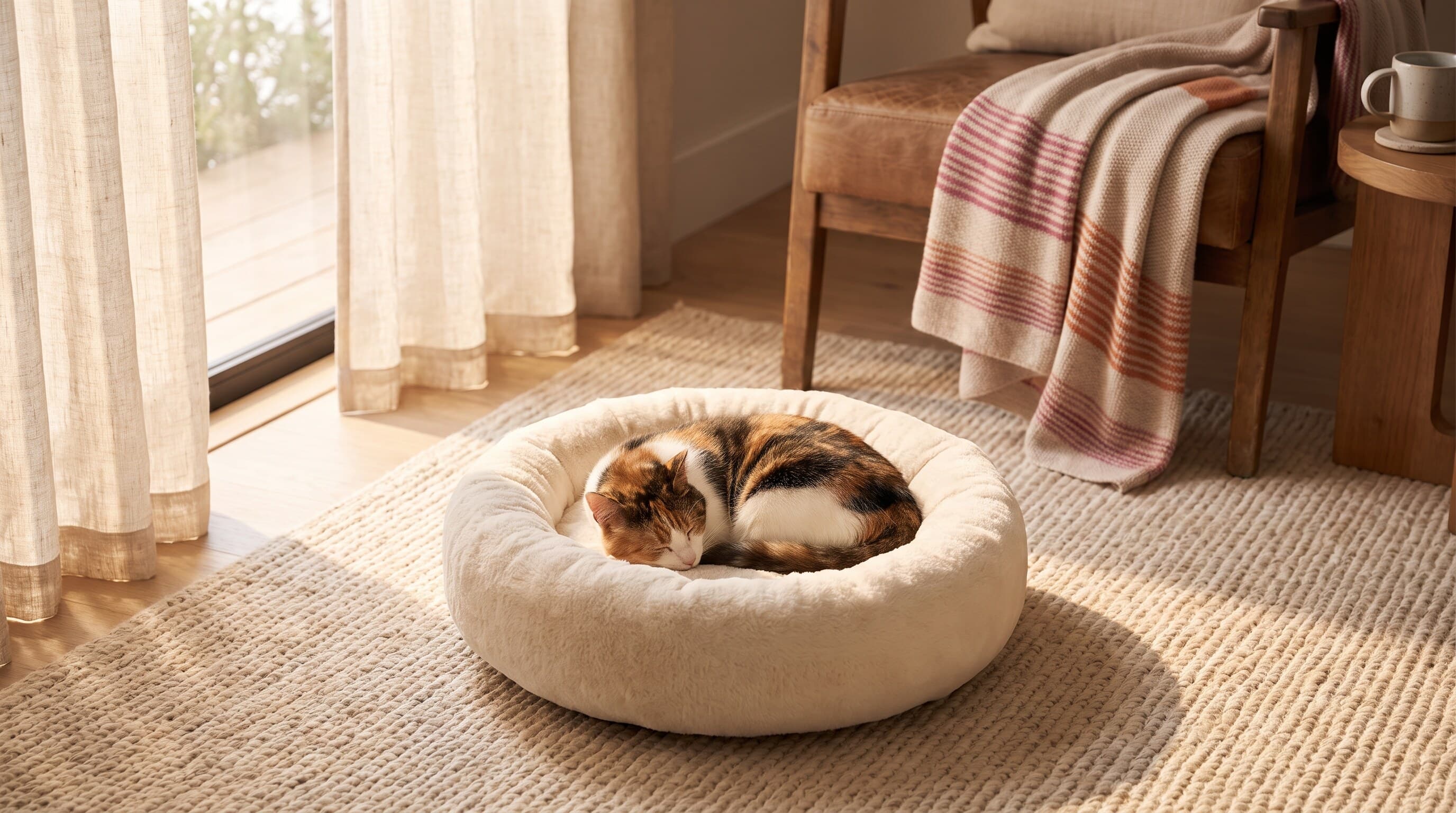
Cats sleep a large portion of the day, and their preferred resting spots vary by warmth, cover, height, and body position. Those preferences point toward different bed shapes. A raised-rim donut bed lets a cat curl and rest its chin on a bolster, an enclosed cave provides cover, a self-warming pad appeals to heat-seekers, and a wooden house adds structure. This guide compares five beds across those styles so you can match the shape to how your cat likes to sleep.
Product details come from published specifications and patterns in owner feedback. House Pet Authority earns a commission from qualifying retailer purchases, at no cost to you.
Top picks at a glance
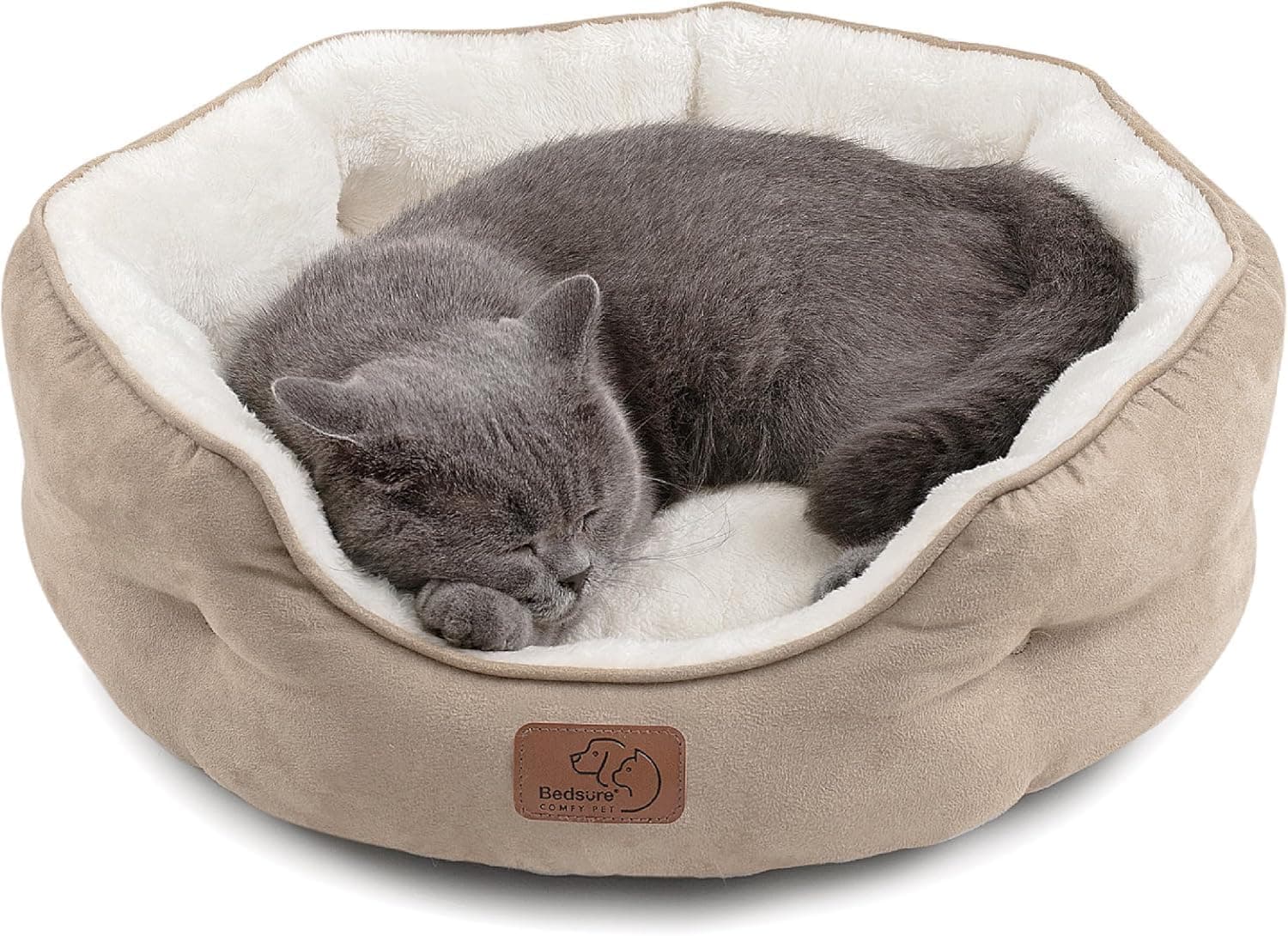 Best OverallRound Cat Bed for Indoor CatsShopView at Amazon for Bedsure Round Cat Bed for Indoor Cats, 20 inch, Soft Plush Washable Pet Bed with Anti-Slip Bottom (opens in a new tab)
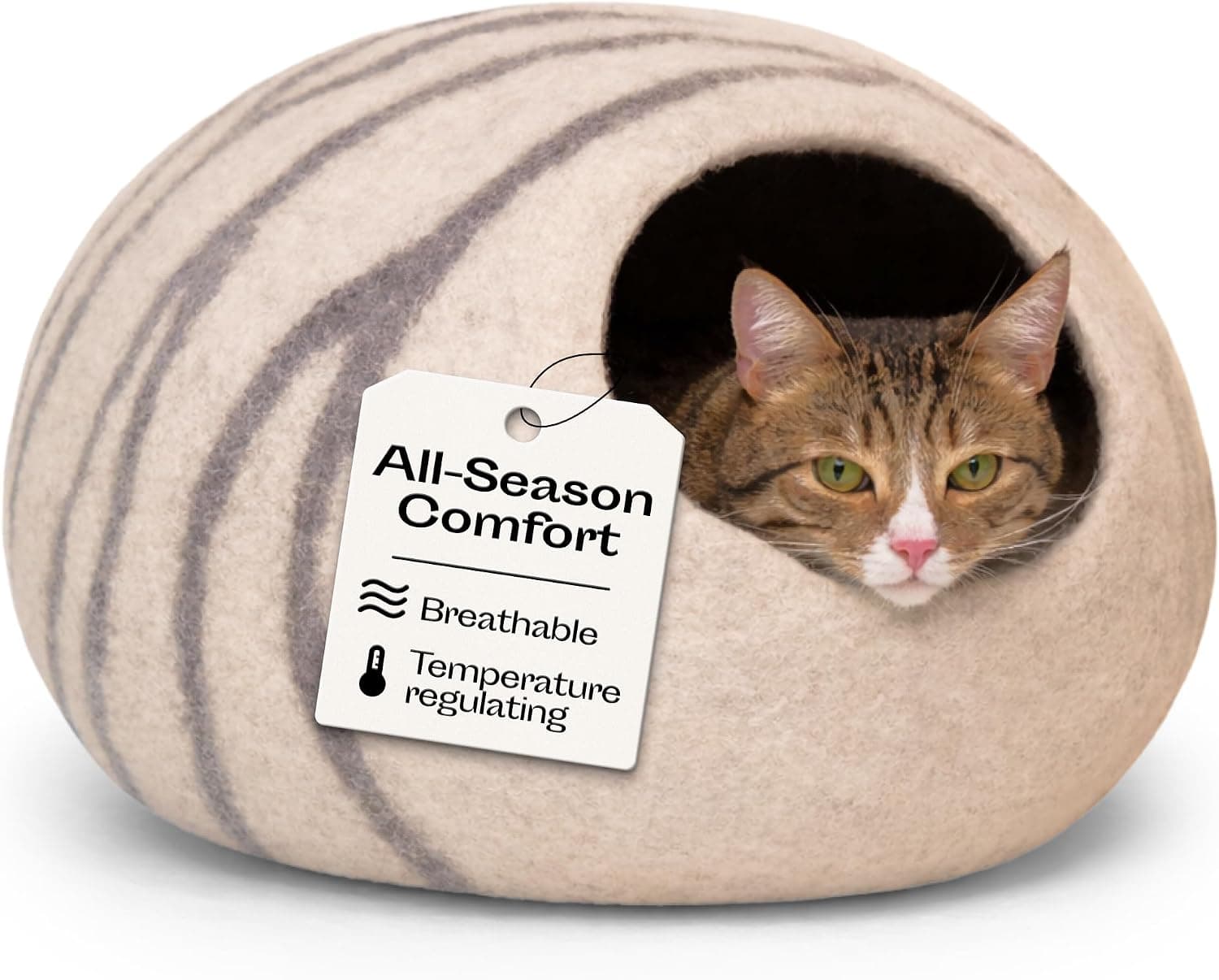 Cat CaveShopView at Amazon for MEOWFIA Cat Cave, Premium Felt Cat Bed Enclosure for Indoor Cats, Handmade Merino Wool, Medium (opens in a new tab)
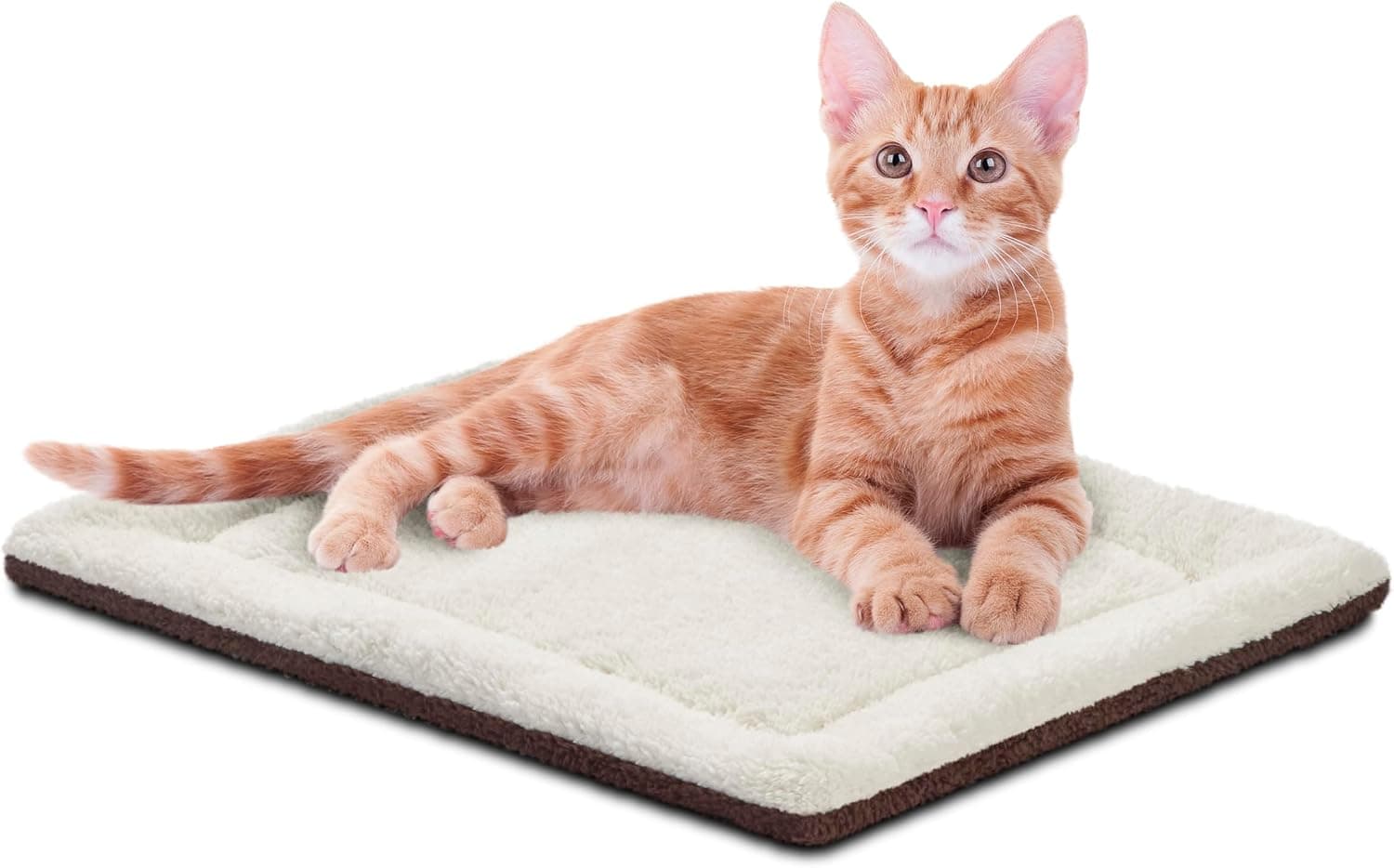 Best ValueK&H Self-Warming Cat Bed PadShopView at Amazon for K&H Self-Warming Cat Bed Pad, Reversible Warming Mat for Indoor Pet Beds and Furniture, Machine Washable, 21 x 17 (opens in a new tab)
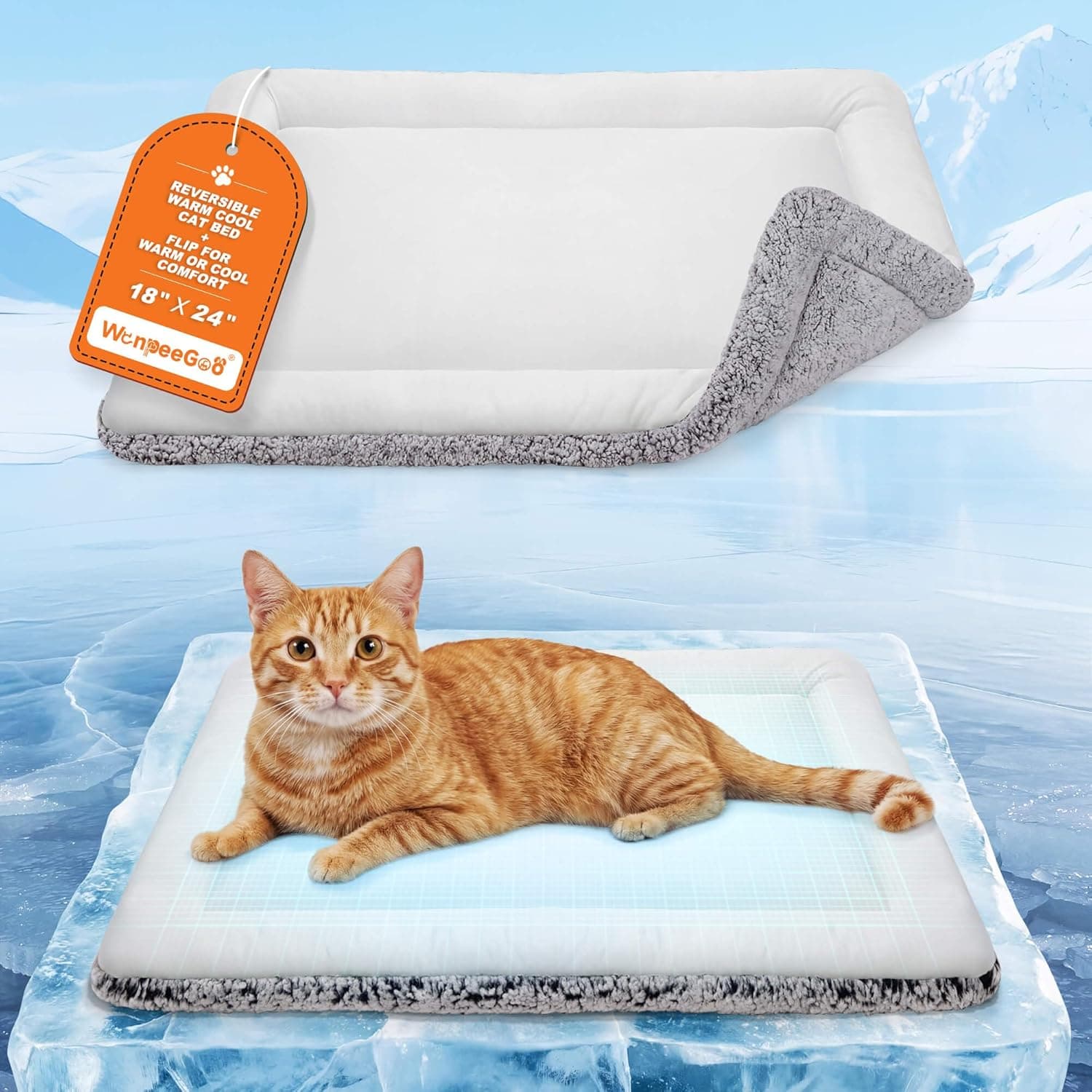 Reversible Warm and Cooling Cat Bed Mat for Kittens and Small DogsShopView at Amazon for WanpeeGoo Reversible Warm and Cooling Cat Bed Mat for Kittens and Small Dogs, 18 x 24 (opens in a new tab)
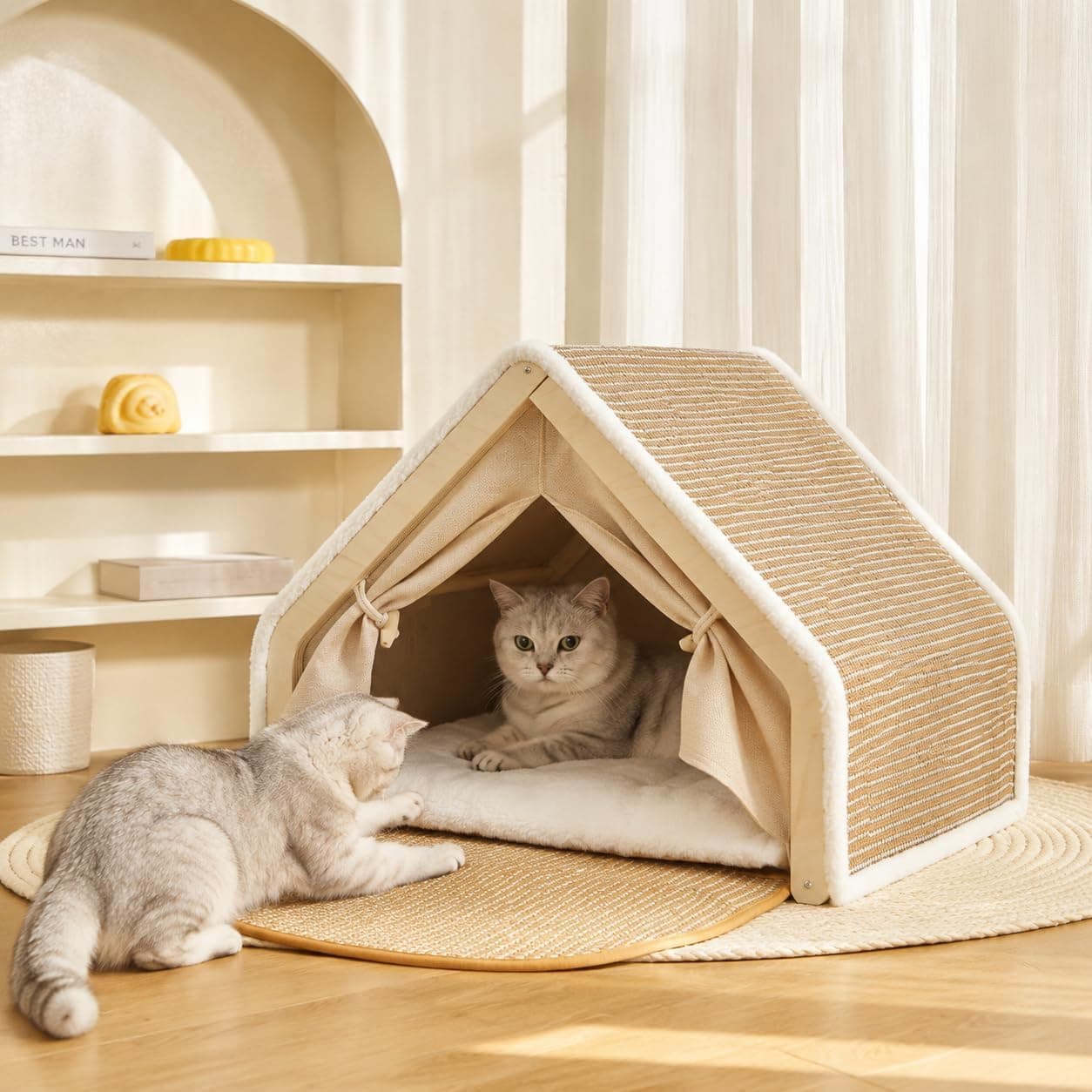 Wood Cat House for Indoor CatsShopView at Amazon for MUZIBAMA Wood Cat House for Indoor Cats, Cat Tent Bed and Hideaway with Scratcher (opens in a new tab)
How to choose a cat bed
Think about how your cat already sleeps. Cats that curl into tight balls tend to like a raised-rim or donut shape that supports the head and gives a sense of being surrounded, while cats that seek out closets and boxes usually prefer an enclosed, covered bed that lets them hide. The ASPCA notes that giving cats their own quiet resting spots supports their sense of security in the home. Warmth is the other major driver: cats run a higher body temperature than people and gravitate toward warm surfaces, which is why self-warming beds that reflect a cat's own body heat, or beds placed in a sunny spot, get used so heavily. Washability is the practical tiebreaker, since cats shed and beds need regular cleaning; a machine-washable cover or a bed that fits in the machine whole is a real convenience.
The picks
BEDSURE
Round Cat Bed for Indoor Cats
- Shape
- Round donut style
- Size
- 20 inch
- Surface
- Soft plush
- Base
- Anti-slip bottom
- Care
- Machine washable
A soft plush round bed with a raised rim that cats can curl against, in a 20 inch size for cats and kittens. The anti-slip bottom keeps it in place on smooth floors. The whole bed is machine washable.
See more detailSee less detail
Strengths
- Raised rim suits cats that like to curl
- Machine washable
- Strong rating and large review base
Weaknesses
- Plush fills flatten over time
- One color and size per listing
Best for
Cats and kittens that like a cozy donut-style bed
What owners say
The Bedsure round bed is our top overall pick because the raised-rim donut shape suits the way most cats sleep, curled with their chin resting on the bolster. It is typically filled with soft plush and a supportive rim, comes in multiple sizes, and is usually machine washable, which matters for a bed that collects fur. It carries a very large review base with consistent ratings, making it a low-risk starting point for a cat whose preferences you do not yet know. The tradeoff is that a fully open bed offers less of the hidden, enclosed feeling that shy cats crave.
MEOWFIA
Cat Cave
- Type
- Enclosed cat cave
- Material
- Handmade merino wool felt
- Size
- Medium
- Design
- Hideaway dome, natural fiber
- Use
- Indoor cats that like enclosed spaces
An enclosed felt cave made from handmade merino wool that gives cats a hidden, den-like space to sleep. The natural wool holds its shape and breathes. It suits cats that prefer to tuck away rather than sleep in the open.
See more detailSee less detail
Strengths
- Enclosed den for cats that like to hide
- Natural merino wool construction
- High rating from many owners
Weaknesses
- Higher price than plush beds
- Wool needs gentle spot cleaning
Best for
Cats that prefer an enclosed, hidden sleeping spot
What owners say
The Meowfia wool cave is the pick for cats that love to hide. It is an enclosed dome made of felted natural wool, a breathable material that offers some insulating warmth and a den-like interior that appeals strongly to timid or anxious cats. The natural fiber and structured shape make it more of a design piece than a plush bed. The honest tradeoffs are that felted wool is harder to clean than a machine-washable cover, it usually costs more than a simple plush bed, and the enclosed shape will not suit a cat that dislikes covered spaces.
K&H PET PRODUCTS
K&H Self-Warming Cat Bed Pad
- Type
- Self-warming pad, no electricity
- Size
- 21 x 17 inches (small)
- Design
- Reversible blanket layers
- Placement
- Beds, furniture, cat houses
- Care
- Machine washable
A self-warming pad that reflects the cat's own body heat back with no cords or electricity, usable on furniture or inside a cat house. The reversible layers add a soft surface either way up. It machine washes for easy upkeep.
See more detailSee less detail
Strengths
- Warms without any electricity
- Low price and machine washable
- Fits on furniture or in a cat house
Weaknesses
- Passive warmth only, no heating element
- Small size best for one cat
Best for
Cats that seek warm spots, without a plugged-in heater
What owners say
The K&H self-warming pad is the pick for heat-seekers, and it does it without electricity. It uses a reflective internal layer that captures and radiates a cat's own body heat back, so there is no cord, no power draw, and no burn risk from an active heating element. That makes it a safe, low-maintenance choice for a cat that always finds the warmest spot in the house, and it is usually machine washable. The tradeoff is that its warmth is passive: it amplifies the cat's own heat rather than generating any, so a cat has to settle on it for a bit before it feels warm.
WANPEEGOO
Reversible Warm and Cooling Cat Bed Mat for Kittens and Small Dogs
- Type
- Reversible warming and cooling mat
- Size
- 18 x 24 inches
- Seasons
- Warm side for winter, cool side for summer
- Placement
- Crates, beds, sofas
- Pets
- Kittens and small dogs
A two-sided mat with a self-warming side for winter and a cooling side for summer, so it works year round. It lays flat on crates, beds, or sofas. The size suits kittens and small pets.
See more detailSee less detail
Strengths
- Two seasons in one mat
- Flexible placement on any surface
- Reasonable price
Weaknesses
- Smaller review base
- Cooling side is passive, not refrigerated
Best for
Owners wanting a reversible mat for warm and cool seasons
What owners say
The Wanpeegoo reversible mat is the flexible, budget-friendly pick. A flat mat is the most versatile option because it can go on the floor, inside a carrier, on a windowsill, or on top of furniture, and a reversible design often pairs a warmer plush side with a cooler side for different seasons. It is easy to wash and easy to store. The tradeoff is that a flat mat gives none of the bolstered support or enclosure of a shaped bed, so it suits cats that sprawl rather than curl or hide.
MUZIBAMA
Wood Cat House for Indoor Cats
- Type
- Wood-frame cat house and bed
- Material
- Sturdy wooden frame
- Features
- Built-in scratcher
- Design
- Tent-style hideaway
- Use
- Sleeping and playing
A wood-frame cat house that combines a covered bed with a built-in scratcher for a furniture-style hideaway. The sturdy frame gives cats a defined space to sleep or perch. It suits owners who want a bed that looks like decor.
See more detailSee less detail
Strengths
- Solid wood frame doubles as furniture
- Built-in scratcher
- Enclosed hideaway design
Weaknesses
- Newer listing with few reviews
- Assembly and larger footprint required
Best for
Owners wanting a decor-style wooden cat house with a scratcher
What owners say
The Muzibama wood cat house is the pick for owners who want a bed that doubles as furniture. A wooden-frame house provides an enclosed, structured resting spot, usually with a removable cushion inside, and the solid build looks more like a piece of decor than a pet bed. It offers the hidden, den-like security some cats want in a sturdier form than a soft cave. The tradeoffs are that it is bulkier and heavier than a plush bed, typically costs more, and comfort depends heavily on the quality of the included cushion, so check that the pad is washable.
What mattered most
The comparison focuses on bed shape, material, warmth mechanism, size options, and washability. The picks favor beds that clearly serve a distinct sleeping preference and that have a stable review history.
Cats have strong individual preferences. If the first bed is ignored, try a warmer, quieter, or more familiar spot before changing the bed itself. Prices are shown as bands rather than live quotes, because retail pricing changes often and a fixed number would go stale between updates.