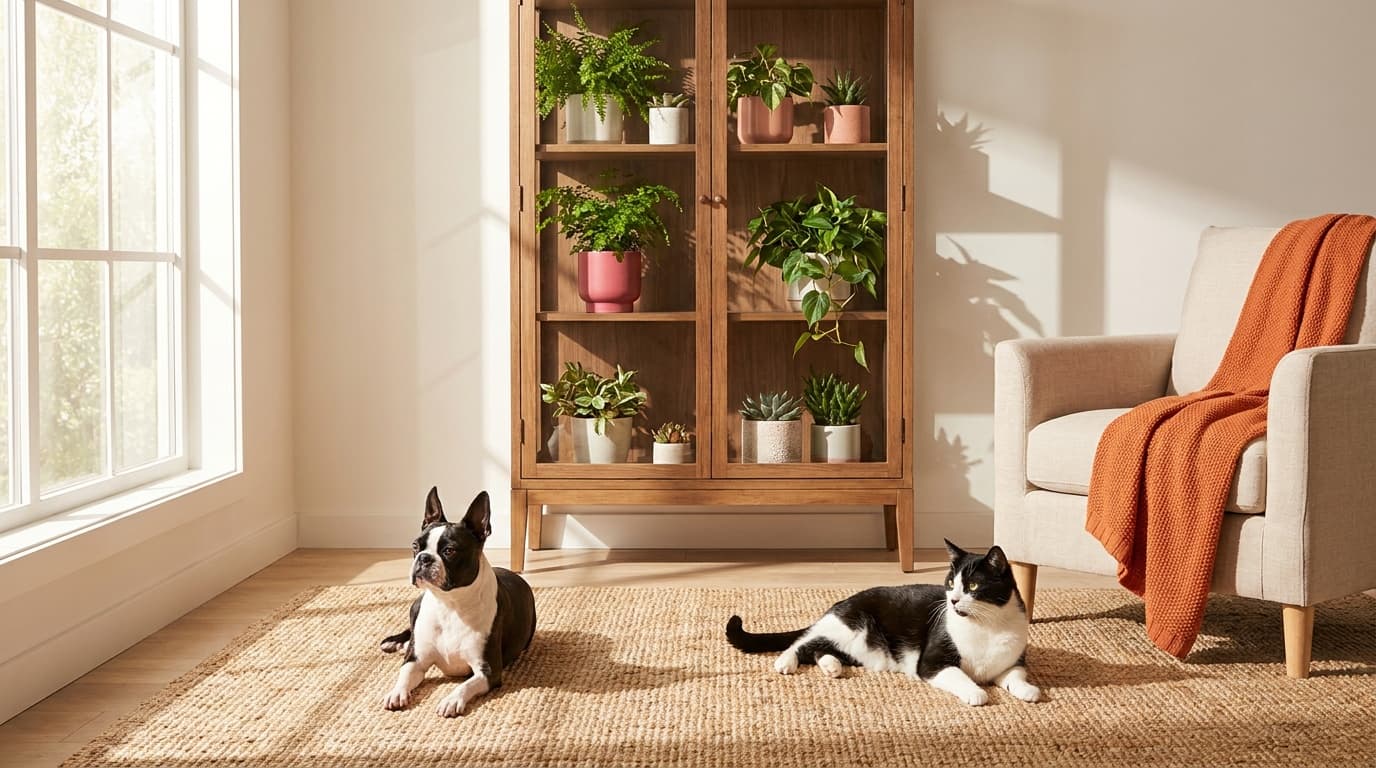
A short list of common household and garden plants carries severe or well-documented risks for dogs and cats. Knowing which ones are in your home matters more than memorizing symptoms. If you know or suspect your pet chewed or ate any plant on this page, the right response is the same in every case: contact your veterinarian or the ASPCA Animal Poison Control Center at (888) 426-4435 immediately, before symptoms appear. The ASPCA maintains the full searchable toxic and non-toxic plant database this guide draws from; what follows are common plants with clearly documented risks.
Lilies: a cat emergency measured in hours
True lilies (Easter, Asiatic, tiger, stargazer, and Japanese show lilies) and daylilies cause acute kidney failure in cats, and the margin is unforgiving. The FDA warns that the entire plant is toxic to cats: eating a leaf or two, licking pollen off fur, or drinking water from the vase can be enough, and early signs like vomiting, drooling, and lethargy can fade while kidney damage continues. Early veterinary treatment gives the best outlook, which is why a suspected lily exposure in a cat is a right-now phone call, never a wait-and-see.
Dogs are the milder story with this one plant family: Lilies and dogsCaution typically develop stomach upset rather than organ failure, while for cats the same plants sit at the top of the danger list (see the full cat verdictEmergency). Pet Poison Helpline also notes that lily of the valley is a different kind of dangerous: it contains compounds that affect the heart in both dogs and cats. The safest arrangement for a cat household is one with no true lilies in it, cut bouquets included. If either plant grows in your yard, the species verdicts for Daylily growing profileDogs: SafeCats: Toxic and Lily of the Valley growing profileDogs: ToxicCats: Toxic come straight from our sister site's curated safety data. The true lilies named above carry the same cat warning: Asiatic Lily growing profileDogs: CautionCats: Toxic and Oriental Lily growing profileDogs: CautionCats: Toxic (stargazer and Japanese show lilies) are curated for both species too.
Sago palm: severe for both species
Sago palm, a popular indoor and warm-climate landscape plant, is among the most dangerous plants a dog or cat can eat. Pet Poison Helpline reports that every part of the plant is toxic, the seeds most of all, and that ingestion can cause vomiting, black tarry stool, bruising, liver failure, and death without prompt treatment. Signs can begin within minutes to hours and liver damage can develop over the following days, so treat any chewing on a sago palm as an emergency for either species, even if your pet seems fine.
Spring bulbs: tulips, daffodils, and hyacinths
The bulb is the dangerous part, which makes fall planting season and freshly dug gardens the risk window for dogs. According to the ASPCA, tulip toxins are concentrated in the bulb, and chewing or ingesting one causes drooling, vomiting, and diarrhea; hyacinths behave similarly. Daffodils add another layer: the ASPCA lists vomiting, drooling, and diarrhea from any part of the plant, with large ingestions, especially of bulbs, linked to convulsions, low blood pressure, tremors, and heart rhythm changes in both dogs and cats. A dog that raids a bag of bulbs or digs up a planted bed warrants an immediate call. If you grow these, our sister site Sprout Authority's tulip growing profile covers the planting side; store unplanted bulbs where dogs cannot reach them and fence new beds until shoots are established. Both bulbs carry curated verdicts for each species: Tulip growing profileDogs: ToxicCats: Toxic and Daffodil growing profileDogs: ToxicCats: Toxic.
Azalea and oleander: garden shrubs that affect the heart
Azaleas and rhododendrons contain grayanotoxins. Pet Poison Helpline notes that even a few leaves can cause drooling, vomiting, diarrhea, and appetite loss in dogs and cats, and that serious cases progress to weakness, abnormal heart rate and rhythm, tremors, and collapse, so any azalea ingestion is a call to a vet or poison control. The growing-side profile at our sister site Sprout Authority's azalea page can help you identify what is actually planted in your yard, and the shared network data rates Azalea growing profileDogs: ToxicCats: Toxic and Rhododendron growing profileDogs: ToxicCats: Toxic for both species.
Oleander is more dangerous still. The ASPCA lists it as toxic to dogs, cats, and horses: all parts contain cardiac glycosides, and ingestion can cause drooling, abdominal pain, diarrhea, depressed heart function, and death. In oleander climates, assume trimmings and dropped leaves are as dangerous as the shrub itself and keep pets away from pruning debris. The growing-side profile for Oleander growing profileDogs: ToxicCats: Toxic carries the same verdict for dogs and cats.
Philodendron, pothos, and other oxalate houseplants
The most common houseplant poisonings are painful rather than organ-damaging. Philodendron, pothos (devil's ivy), peace lily, and dieffenbachia (dumb cane) all contain insoluble calcium oxalate crystals. The ASPCA describes the pattern in dogs and cats: oral irritation, intense burning of the mouth, tongue, and lips, drooling, vomiting, and difficulty swallowing after chewing the plant. Pets usually stop after a mouthful because it hurts, which limits most exposures, but swelling in the mouth or throat, repeated vomiting, or trouble breathing after chewing one of these plants still needs a veterinarian promptly. These are the plants to move up out of reach first in a home with a plant-chewing cat.
Yew, mountain laurel, and other high-severity landscape plants
A handful of common landscape shrubs and bedding plants are dangerous enough to treat as emergencies on their own. Japanese yew and its relatives sit near the top: the ASPCA notes that every part except the fleshy red aril contains taxine, and ingestion can cause tremors, difficulty breathing, and sudden cardiac failure in dogs and cats. Mountain laurel and Japanese pieris carry grayanotoxins, the same toxin class found in azaleas; the ASPCA links mountain laurel and pieris to vomiting, weakness, and cardiovascular collapse, and notes that even a few pieris leaves can cause serious problems. In warmer climates, lantana foliage and unripe berries can cause vomiting, diarrhea, labored breathing, and weakness, with liver injury possible after large ingestions. Annual vinca (Madagascar periwinkle) is the bedding-plant surprise on this list: the ASPCA attributes vomiting, low blood pressure, tremors, and seizures to its vinca alkaloids. Our sister site's curated verdicts rate Japanese Yew growing profileDogs: ToxicCats: Toxic, Mountain Laurel growing profileDogs: ToxicCats: Toxic, Japanese Pieris growing profileDogs: ToxicCats: Toxic, Lantana growing profileDogs: ToxicCats: Toxic, and Annual Vinca growing profileDogs: ToxicCats: Toxic for both species.
What to do if your pet ate a plant
The response does not depend on which plant it was:
- Remove your pet from the plant and remove any plant material still in the mouth, if you can do so without being bitten.
- Call now, not after symptoms. Contact your veterinarian or the ASPCA Animal Poison Control Center at (888) 426-4435. A consultation fee may apply, and it buys judgment that a symptom list cannot provide. With lilies, sago palm, and oleander in particular, early treatment changes outcomes.
- Identify the plant. Take a photo, and bring a leaf or the plant tag to the vet if you go in. Chewed leaves, disturbed soil, and dug-up bulbs are useful evidence.
- Take direction before treating anything at home. According to the ASPCA, the safe response depends on the specific substance, the amount, and the individual animal. Inducing vomiting is unsafe in some situations, so do it only if a veterinarian or poison control specialist tells you to.
For the overlapping signs poisoning can produce and what professionals will ask when you call, see our guide to signs of food poisoning in dogs and cats.
The bottom line
Plant safety at home is an inventory problem: know what you grow, check every new plant against the ASPCA database, and keep the worst offenders, lilies for cats and sago palm for everyone, out of the house entirely. When an ingestion happens anyway, call your veterinarian or the ASPCA Animal Poison Control Center at (888) 426-4435 right away. The same call-first habit applies in the kitchen; our guides to human foods dangerous for dogs and human foods dangerous for cats cover the pantry side of the same problem.