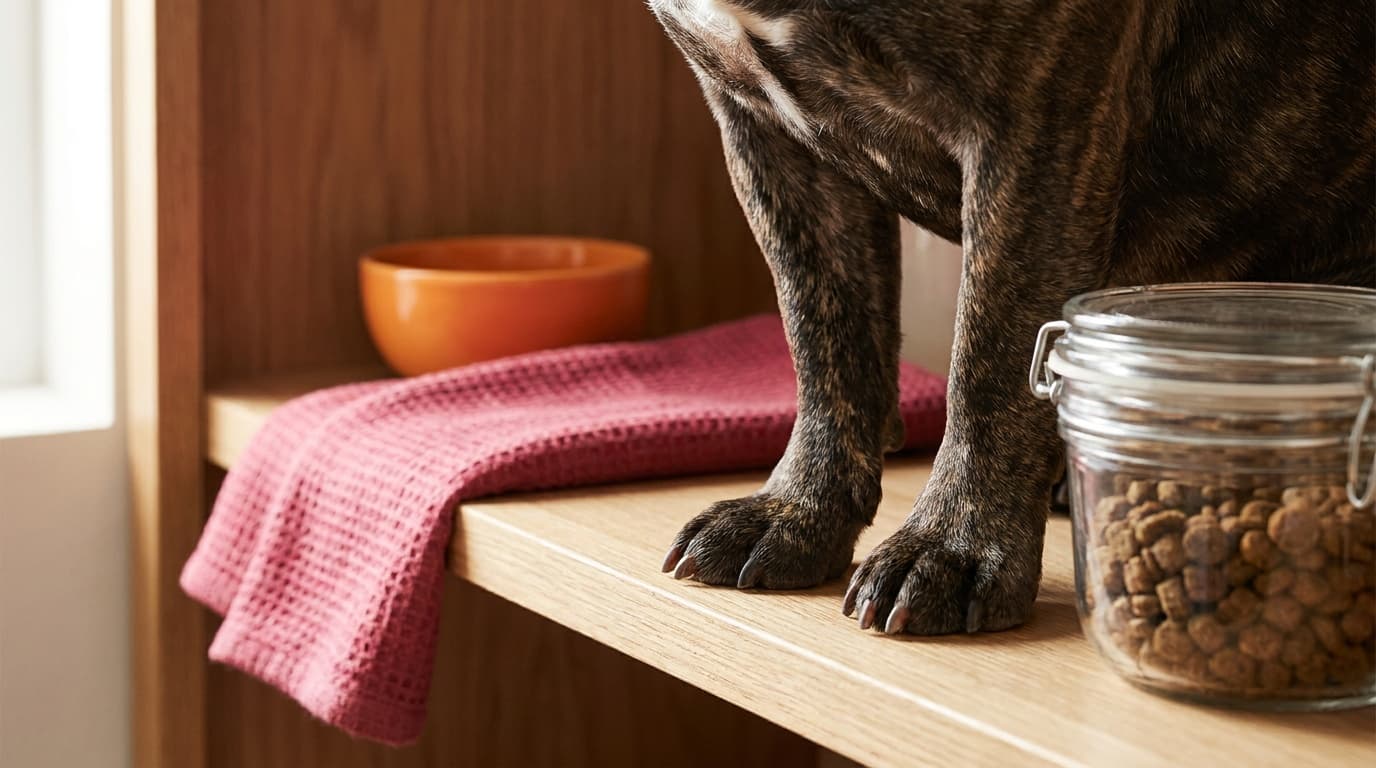
Storing pet food properly keeps it fresh, protects its nutrients, and helps prevent contamination that can make pets or people sick. The core advice is straightforward: keep dry food in its original bag, in a cool dry place, sealed against air and pests. According to the U.S. Food and Drug Administration, dry pet food should be stored in a cool, dry location, ideally below about 80 degrees Fahrenheit, because excess heat and moisture cause the nutrients to break down and can encourage mold.
Keep the original bag
One of the most useful and least obvious tips is to keep food in its original packaging. Pet food bags are designed with liners that help preserve freshness and block moisture, and they carry information you may need later. As the FDA advises, if you prefer to use a storage bin, place the entire bag inside the container rather than pouring loose kibble directly in.
There are two good reasons for this. First, the bag's liner protects the food better than most plastic bins. Second, the bag carries the lot number, brand, and best-by date, which the FDA notes you will want on hand if a recall is ever announced. Pouring kibble loose into a bin throws that information away.
Fight moisture, heat, and pests
The enemies of stored pet food are air, heat, moisture, and pests. A few habits keep them at bay.
- Seal it up. Fold the bag down tightly or use an airtight container around the bag. Limiting air exposure slows the oxidation that makes fats go rancid and reduces stale odors.
- Keep it cool and dry. Avoid garages, sheds, or spots near heat that swing hot and humid. The FDA's guidance to stay below about 80 degrees and away from moisture is the key rule.
- Guard against pests. A sealed container inside the home protects against insects and rodents that are drawn to open food. Storing bags in tightly closed bins helps keep them out.
- Handle wet food safely. Once opened, canned or pouched food should be refrigerated, covered, and used within a couple of days, in line with the FDA's tips for safe handling of pet food. Do not leave wet food out for long, and toss what your pet does not eat within a reasonable window.
- Wash bowls and scoops. The AVMA's guidance on safe handling of pet food recommends cleaning food bowls and scoops regularly and washing your hands after handling pet food, since contaminated food and dishes can spread bacteria to people.
Mind expiration dates and portioning
Pet food is not designed to last forever, even unopened. Every bag and can carries a best-by or expiration date, and that date assumes proper storage. Once a bag is opened, the clock speeds up as air reaches the food, so it is worth buying a bag size your pet will finish within a few weeks to a month rather than stockpiling more than you can use before the fats begin to degrade. If you feed a large dog from a big bag, that turnover is easy, but for a small dog or a single cat, a smaller bag often stays fresher to the last scoop.
The same logic applies to treats, which are easy to forget at the back of a cupboard. Keep them sealed, note their dates, and toss anything past its prime. When you portion meals, use a clean, dry scoop and avoid letting the scoop pick up moisture, since a damp scoop returned to the bag can introduce the very moisture that encourages mold.
Watch for spoilage and mold
Even well-stored food can spoil, so trust your senses. Discard food that smells rancid or sour, looks discolored, or shows any sign of mold or insects. Damp or humid storage is the main driver of mold, and some molds produce toxins that are genuinely dangerous to pets, which is exactly why the FDA stresses cool, dry storage. When in doubt, throw it out.
Good storage habits also make you a more prepared pet owner. Because you have kept the original bag, you have the brand, lot number, and best-by date on hand if a recall is announced, and you can act quickly by stopping feeding and setting the product aside. It also pays to know the difference between food that has simply spoiled and food that is causing illness. If your pet shows vomiting, diarrhea, lethargy, or a sudden loss of appetite after eating, our guide to the signs of food poisoning in dogs and cats can help you decide when to call your veterinarian. And any time you open a new bag or brand, transitioning gradually rather than switching overnight, as covered in our guides to switching a dog's food or a cat's food, keeps a fresh bag from upsetting a sensitive stomach.