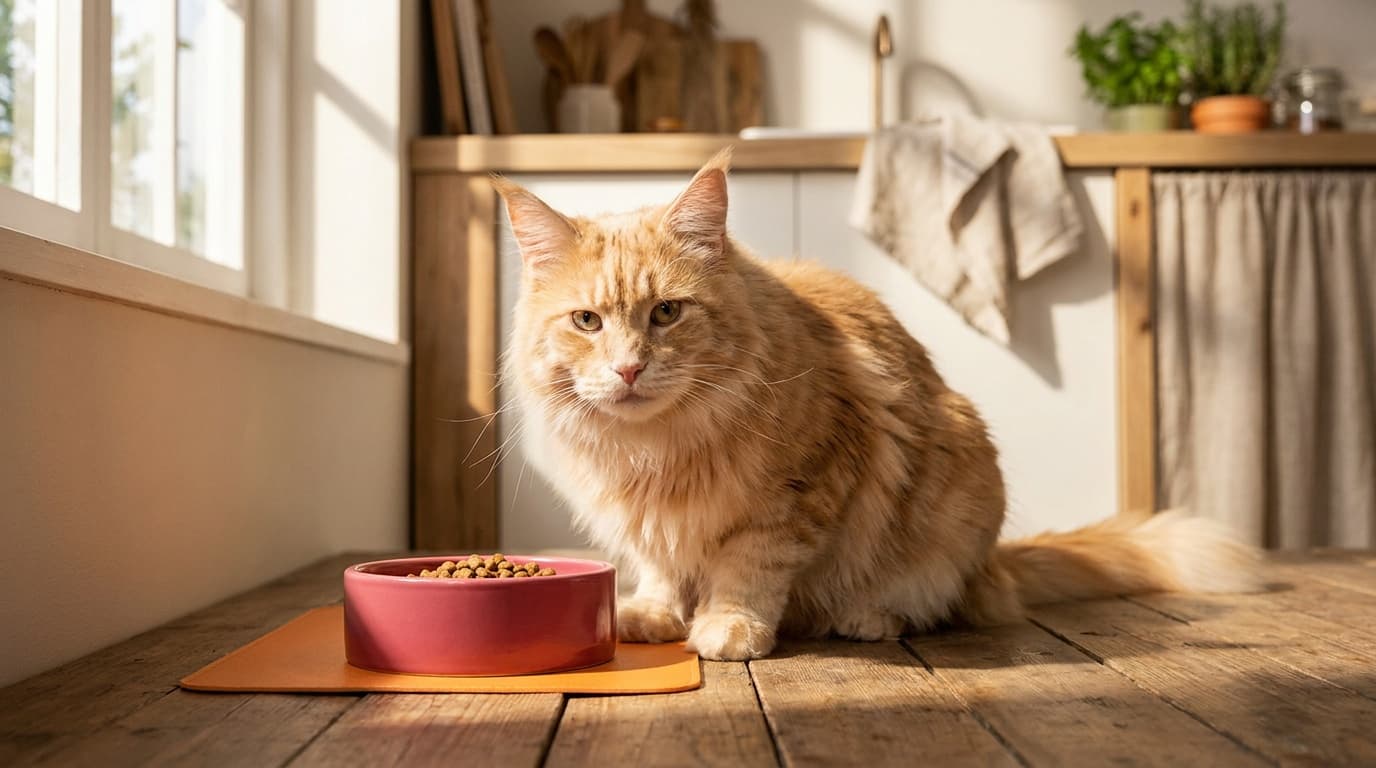
The safest way to change your cat's food is slowly, over about a week to ten days, mixing more of the new food into the old a little at a time. Cats are famously wary of new food, so a rushed switch often ends in a cat that simply refuses to eat, on top of the digestive upset an abrupt change can cause. According to PetMD's veterinary reviewers, a gradual transition over seven to 10 days helps avoid stomach upset and gives a hesitant cat time to accept the change. With picky cats, even slower is often better.
Why cats resist new food
Cats are neophobic by nature, meaning they are naturally suspicious of unfamiliar foods. This is not stubbornness so much as an inherited survival instinct: in the wild, being cautious about a new food is a sensible way to avoid eating something harmful. It means that where a dog might wolf down a new food, a cat may sniff it, walk away, and hold out for the familiar option. The American Animal Hospital Association's pet food transition guidance likewise recommends taking any change slowly, since a sudden switch is a common cause of avoidable digestive upset.
That instinct is exactly why gradual transitions matter more for cats. Mixing a small amount of new food into the old lets your cat get used to the new taste and smell in the safety of a familiar meal, rather than being confronted with an entirely unfamiliar bowl.
The gradual transition, step by step
A typical schedule looks like this, though it is a guide rather than a strict rule.
- Days 1 to 2: About 25 percent new food mixed into 75 percent old food.
- Days 3 to 4: About 50 percent new, 50 percent old.
- Days 5 to 6: About 75 percent new, 25 percent old.
- Day 7 and beyond: 100 percent new food.
Mix the two together in the bowl so the proportions shift steadily. Seven to ten days suits many cats, but plenty of cats, especially fussy ones, need two weeks, three weeks, or more. There is no prize for finishing quickly. If your cat is eating only the old food and leaving the new, that is a sign to slow down: reduce how much new food you are adding and stretch the timeline. Our guide to feeding a picky cat has more tricks for tempting a reluctant eater, such as gently warming the food to boost its aroma.
What to watch for during the switch
The point of going gradually is that you can catch a problem while it is still small. As you increase the new food, keep an eye on appetite, energy, and litter box output. A brief, mild softening of the stool early on is common and often settles as the gut adjusts. Signs worth closer attention include:
- Diarrhea or loose stool lasting more than a day or two
- Repeated vomiting
- Refusing to eat the new mixture at all
- Noticeably low energy or hiding
If digestive upset appears, step back to the previous ratio your cat tolerated, hold there for a few extra days until things settle, then resume more slowly. Many transitions that hit a bump succeed on a second, gentler try.
When to call your veterinarian
Most food switches are uneventful, but some situations call for professional input. Contact your veterinarian if diarrhea or vomiting is severe, contains blood, or lasts beyond a day or two; if your cat becomes lethargic, stops eating, or seems unwell; or if you notice yellowing of the eyes or gums, which can signal liver trouble. As PetMD's veterinary team advises, if signs of upset do not resolve or get worse after a couple of days, it is time to check in with your vet rather than pushing the change further.
A food change made for a medical reason, such as a new prescription diet for kidney or urinary disease, is also a conversation to have with your veterinarian rather than a decision to make alone from a label. Your vet can advise on pace and on tempting a reluctant cat onto a therapeutic diet. Whatever the reason for the switch, the guiding principle is the same: go slow, keep your cat eating, and let patience do the work.