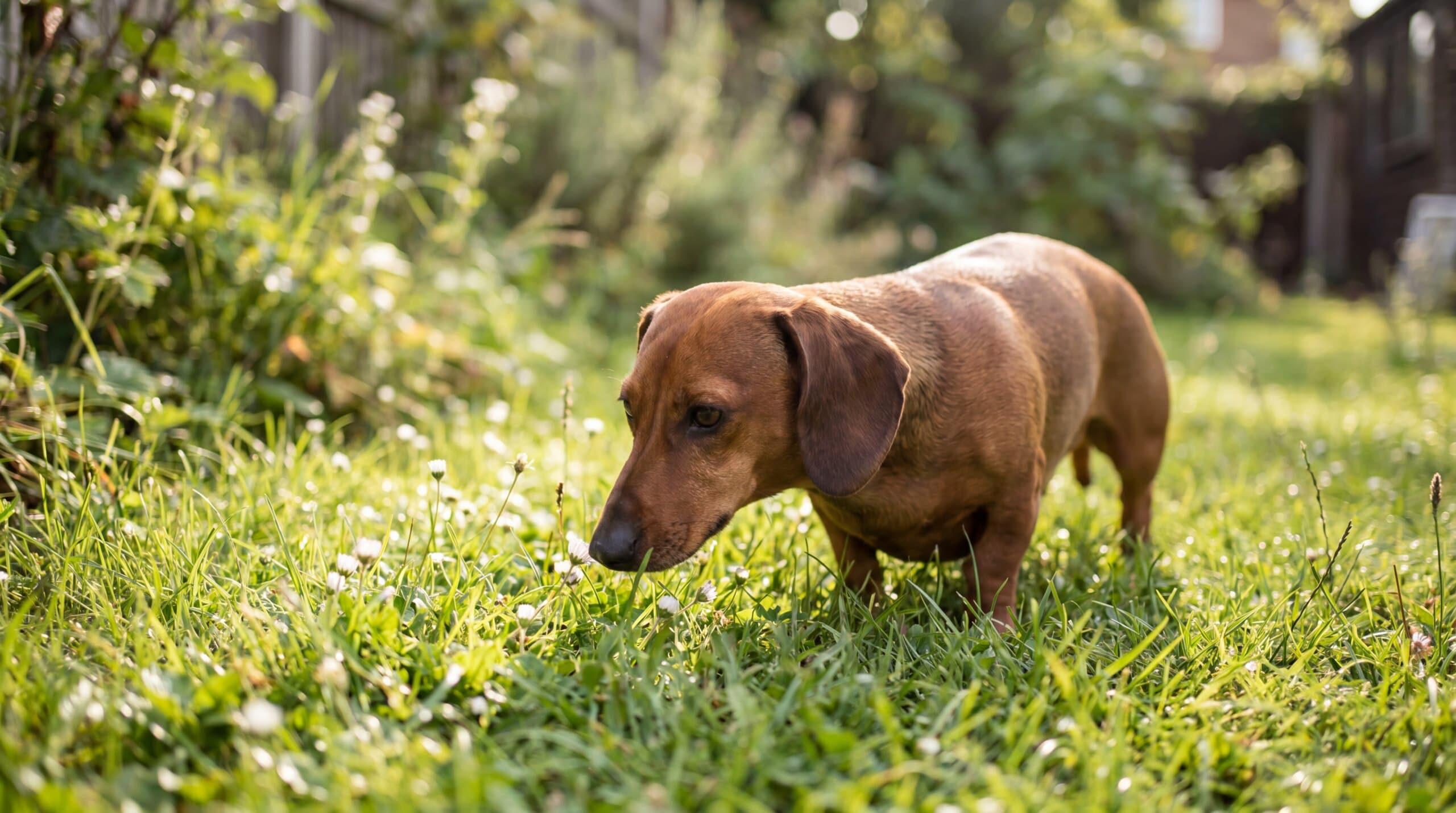
Grass-eating is one of the most common dog behaviors owners ask about, and also one of the most misunderstood. The short answer, according to veterinary behaviorist Dr. Wailani Sung writing for PetMD, is that in most cases it is normal behavior, not a sign that something is wrong, even though the exact reason is not fully settled science.
The theories, and what the evidence actually shows
For a long time, the assumption was that dogs eat grass specifically to make themselves vomit when they feel unwell. The research does not support that as the main explanation. According to PetMD, studies of both veterinary students' dogs and general pet owners' dogs found that the large majority of dogs that eat grass do not vomit afterward, and most showed no signs of illness beforehand either.
A few better-supported explanations exist instead:
- Instinct. Wild canids, including wolves, are known to have plant material in their stomach contents, so grass-eating may be an inherited behavior rather than a modern problem.
- Diet and hunger. A 2007 study cited by PetMD found dogs ate less grass right after a meal and more beforehand, suggesting hunger and timing play a role for many dogs, not illness.
- Missing dietary fiber. In at least one documented case, a dog with a years-long habit of eating grass and vomiting afterward stopped entirely once switched to a higher-fiber commercial diet, suggesting the behavior was tied to a dietary gap rather than a general craving.
- Curiosity and habit. Especially in younger dogs, grass may simply be something explored by mouth, similar to how puppies investigate everything else in their environment.
The real risks are what is on the grass, not the grass itself
The more practical safety concern is not the grass itself but what might be on it. According to PetMD, grass treated with pesticides or herbicides can make a dog seriously ill, and grass contaminated with feces from other animals can transmit intestinal parasites or, in unvaccinated dogs and puppies, more serious infectious disease. A dog that has eaten grass from an unfamiliar yard or a recently treated lawn is a reasonable case for a same-day call to your veterinarian, especially if you can identify the product used.
Grass eaten in large quantities can also become a physical obstruction risk, particularly if it is swallowed along with other non-food material.
When to involve your veterinarian
Because grass-eating is usually normal, the goal is not to eliminate it entirely but to watch context. According to PetMD, a veterinary visit is a good idea if your dog shows any signs of illness before or after eating grass, if you suspect the grass was recently treated with a lawn chemical, or if the behavior changes suddenly and dramatically in an established routine. None of that is a diagnosis you can make yourself from a list; it is a reason to call, not to wait.
Related reading
For more on diet-adjacent behavior questions like this one, see our full nutrition hub, or check whether a specific food is safe with the food checker.