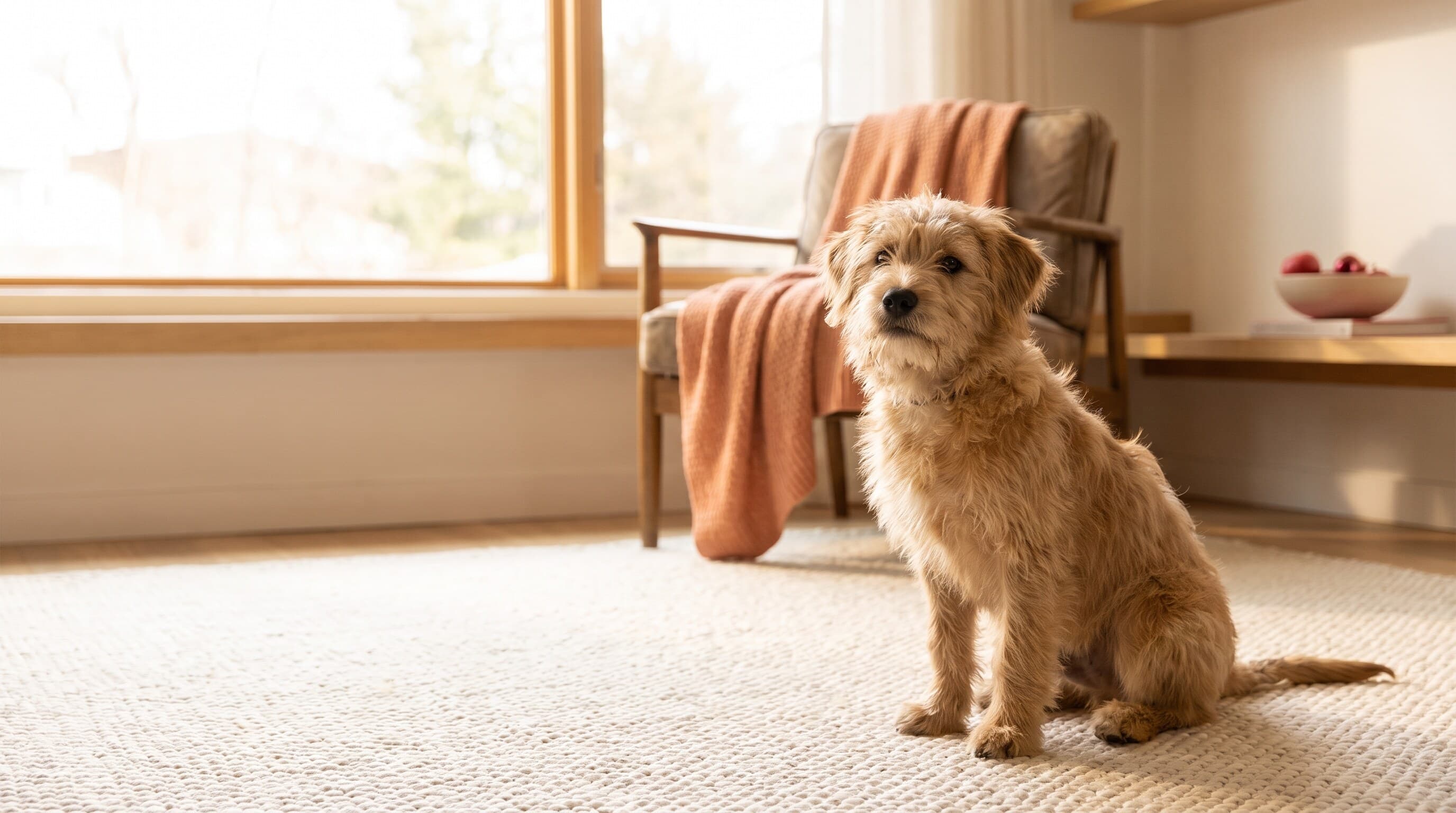
Both adopting and buying can be responsible ways to bring home a puppy, and both have irresponsible versions to avoid. The dividing line is not adoption versus purchase. It is whether the source treats dogs well and is honest with you. The worst outcome, buying from a puppy mill through a pet store or online ad, is the one to rule out first. The Humane Society warns that when you see a puppy for sale in a pet store or in an online ad, the chances are extremely high that it came from a puppy mill.
This guide covers both good paths and how to recognize the bad ones.
Adopting from a shelter or rescue
Shelters and breed-specific rescues are full of dogs of every age and type, including purebreds and puppies. The advantages are real: lower cost, dogs that are usually already vaccinated and spayed or neutered, and staff who know the individual animals. A good adoption counselor can tell you which dog is calm, which is playful, and which needs an experienced home, which is information a stranger selling puppies rarely provides.
Breed rescues are worth knowing about if you have your heart set on a particular breed. They specialize in one type, often know the breed's needs intimately, and can match you with a dog whose temperament fits your home. Adoption is not a lesser option than buying. For many families it is the better one.
Buying from a responsible breeder
Buying from a genuinely responsible breeder is also a legitimate choice, especially if you need predictable size, coat, or temperament for a specific reason. The key word is responsible. The Humane Society describes a responsible breeder as one who welcomes you to see where puppies are raised, lets you meet at least the mother, provides documented health screening for the parents, and interviews you carefully because they care where their puppies go.
Responsible breeders rarely sell through pet stores or online ads. They keep in touch after the sale, take a dog back if things do not work out, and are proud to show you their setup. If a breeder checks these boxes, buying from them supports good practice.
Red flags of puppy mills
Puppy mills prioritize volume over welfare, and they hide it. According to the Humane Society, the warning signs include:
- You are not allowed to visit where the puppy was born and raised.
- You are not invited to meet the puppy's parents, especially the mother.
- Puppies are offered younger than eight weeks old.
- There are no veterinary records, or vaccines were not given by a veterinarian.
- No health testing was done for genetic diseases common to the breed.
- The seller is a pet store, an online listing, or will only meet in a parking lot.
How to vet any source
Whether you adopt or buy, the same principles protect you and the dog. Insist on seeing where the dog was raised. Meet the mother when possible. Ask for veterinary records. Expect the source to ask you questions too. And never let urgency or a deposit rush you past a bad feeling. A responsible source will wait for the right match. A puppy mill will pressure you to decide today.
Cost is not the whole picture
Adoption fees are usually lower than a responsible breeder's price, but cost should not be the deciding factor alone. A cheap puppy from a mill can carry expensive health and behavior problems that cost far more over time. Whichever route you choose, budget for the real long-term commitment described in how much a dog costs per year.
After you bring a puppy home
Once you have chosen a source and a dog, the early days matter. Prepare your home with our puppy-proofing guide, gather the essentials from the new dog supply checklist, and follow the new puppy checklist for the first week to set up routines that make the transition smoother.
The bottom line
Take your time, insist on transparency, and rule out the sources that hide their dogs from you. A responsible shelter, rescue, or breeder will welcome your questions and answer them honestly. That openness, more than the label of adopting or buying, is the surest sign you are bringing home a well-raised puppy.