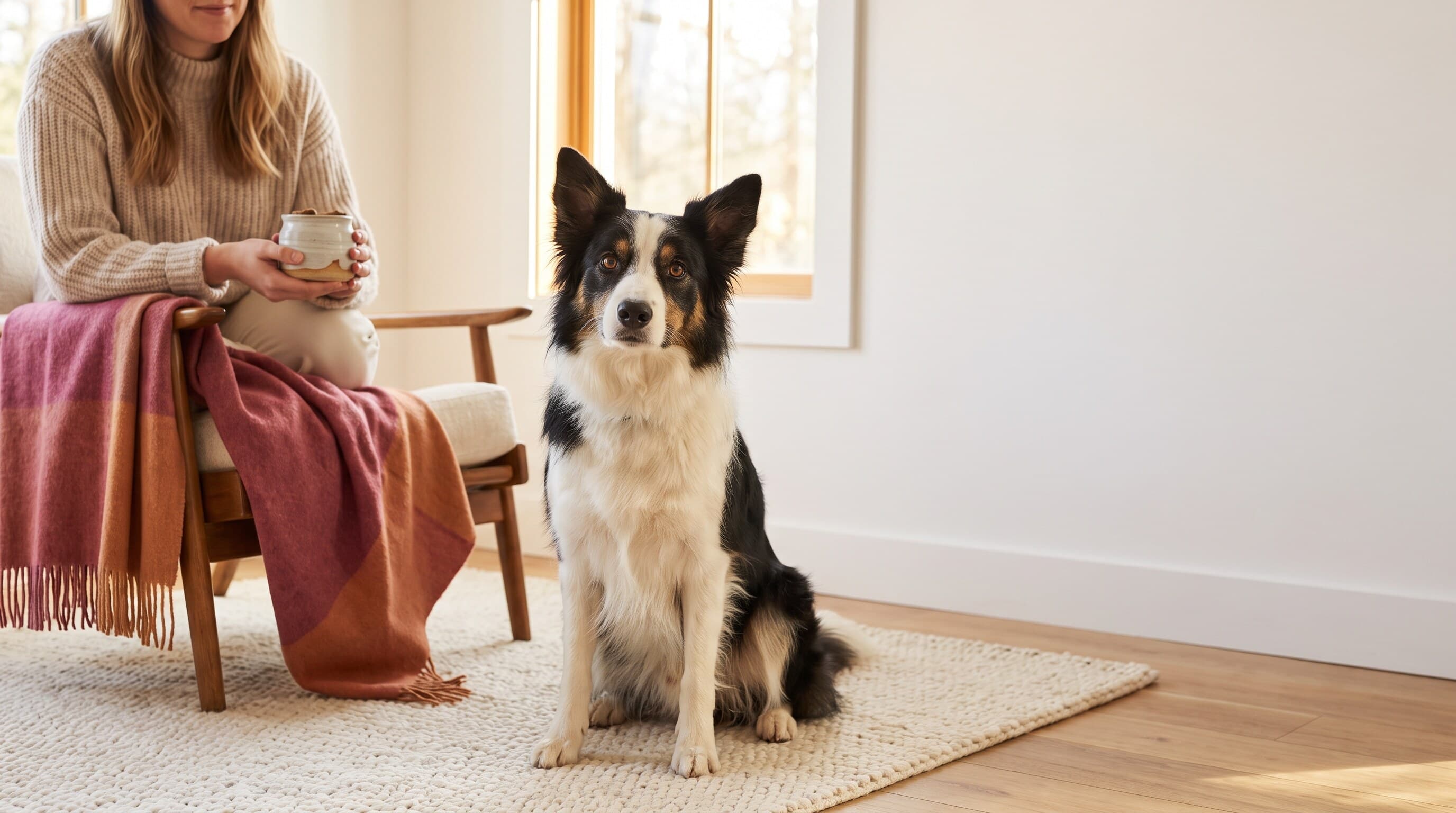
A handful of basic cues make daily life with a dog safer and calmer, and you can teach all of them with rewards rather than corrections. The American Kennel Club identifies a small set of foundational cues, including sit, stay, and come, that every dog benefits from knowing. The method matters as much as the list: the AKC recommends building training on positive reinforcement, rewarding the behavior you want rather than punishing the behavior you do not.
This guide walks through the core cues and how to teach each one.
Why positive reinforcement
Positive reinforcement means giving your dog something it values, usually a small treat, the instant it does the right thing. The AKC cautions against punishment such as leash corrections or yelling, because punishment tends to confuse a dog about what is being asked and can damage trust. Rewards, by contrast, make the correct behavior clear and worth repeating. Keep a supply of small, soft training treats on hand so you can reward quickly and often in the early stages.
Small, low-calorie rewards like Zuke's Mini Naturals let you treat repeatedly through a session without overfeeding.
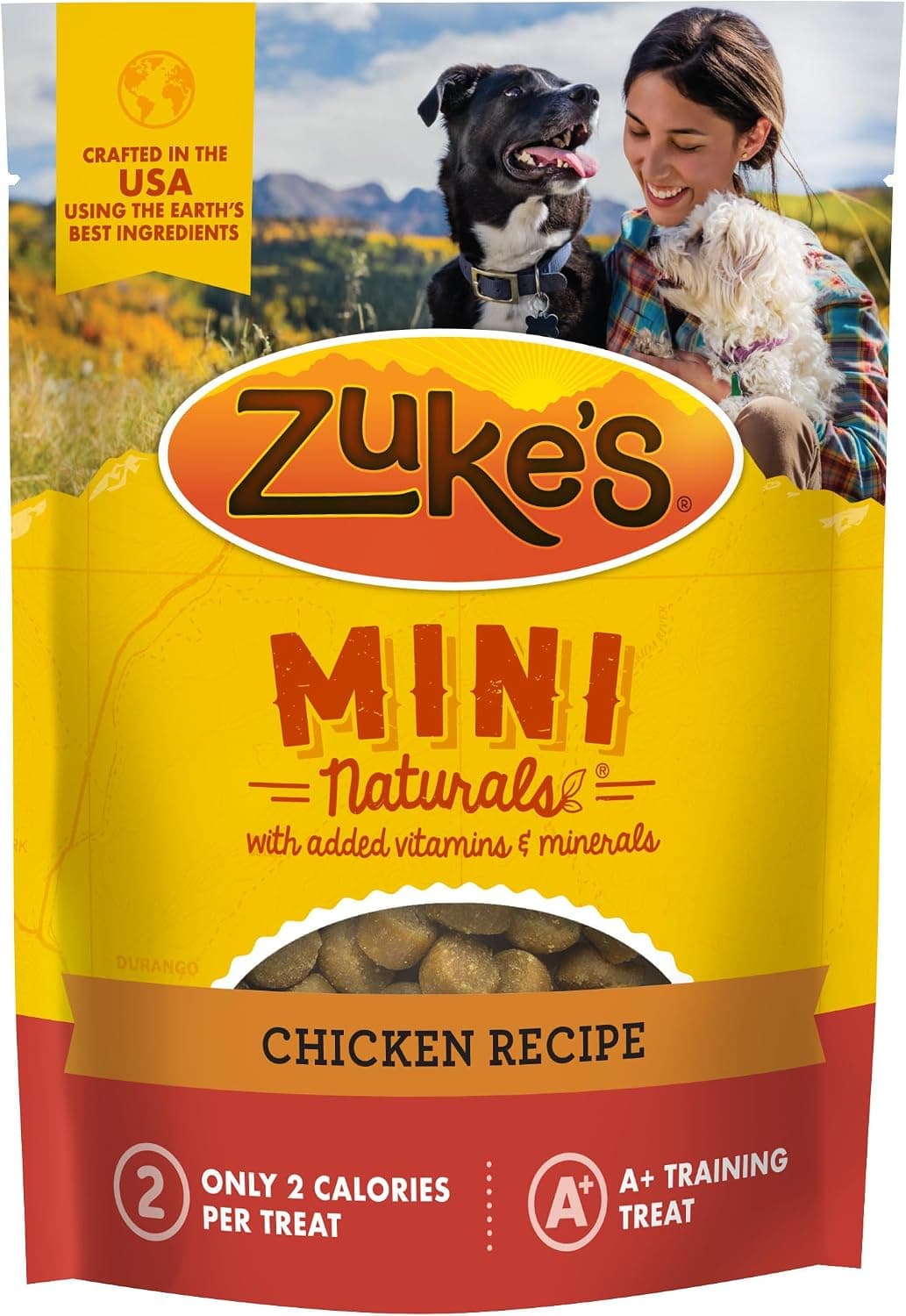
ZUKE'S
Mini Naturals Dog Training Treats
- Protein
- Real chicken listed first
- Size
- Mini, under 3 calories each
- Texture
- Soft and moist
- Bag
- 16 oz
- Use
- High-frequency training rewards
Tiny, soft chicken treats built specifically for high-repetition training where portion size matters. Each piece is low in calories so dogs can be rewarded many times per session. The moist texture makes them easy to break and carry in a treat pouch.
See more detailSee less detail
Strengths
- Very small size keeps training calories low
- Long-standing reputation among trainers
- Soft texture is easy to break in half
Weaknesses
- Can dry out once opened
- Not a limited-ingredient recipe
Best for
Trainers who reward frequently and need a low-calorie mini treat
What owners say
Sit
Sit is the easiest place to start and the foundation for much of what follows. The AKC describes a simple lure-and-reward method: with your dog standing, hold a treat at its nose, then slowly raise the treat up and back over its head. As the dog lifts its nose to follow, its rear naturally lowers to the floor. The moment it sits, mark the behavior with praise or a click and give the treat. Once the motion is reliable, add the word "sit" just as the dog begins to sit, so the word comes to predict the action.
Stay
Stay teaches self-control and keeps a dog safe at doorways and curbs. Start with your dog in a sit. Say "stay" with an open palm facing the dog, take one step back, then step back in and reward before releasing with a release word like "okay." The AKC recommends building duration and distance gradually: a second or two at first, then longer, then a step or two farther away. If your dog breaks the stay, you have simply asked for too much too soon. Make it easier and try again.
Come
A reliable recall is one of the most important safety cues a dog can learn. Begin in a quiet, low-distraction space. The AKC suggests starting indoors, saying your dog's name or "come" in a happy voice, and rewarding generously when the dog reaches you. Always make coming to you a good thing. Never call your dog to you for something it dislikes, and never scold a dog that comes slowly, or you teach it that returning is risky.
Leave it
"Leave it" tells your dog to ignore something, which can prevent it from grabbing dropped food, trash, or something dangerous. Start with a treat in a closed fist. When your dog stops trying to get it and backs off, mark and reward from your other hand, never from the fist it was working on. Build up to placing a treat on the floor and covering it, then uncovering it while the dog holds off. This cue pairs naturally with a well-proofed home. See how to puppy-proof your home for reducing the temptations your dog has to resist in the first place.
Common mistakes to avoid
A few habits slow training down. Sessions that run too long tire a dog and end in frustration. Treats given too slowly leave the dog unsure which action earned the reward. Repeating a cue over and over ("sit, sit, sit") teaches the dog that the first word is optional. And adding distractions too fast sets the dog up to fail. Keep sessions short, reward promptly, say each cue once, and add difficulty only when the current step is solid.
Building from here
Once sit, stay, come, and leave it are reliable, everything else, from loose-leash walking to down and place, builds on the same foundation of clear cues and prompt rewards. If you want a more precise way to mark the exact moment your dog gets it right, read how to clicker train a dog, which sharpens the timing that makes all of these cues easier to teach.