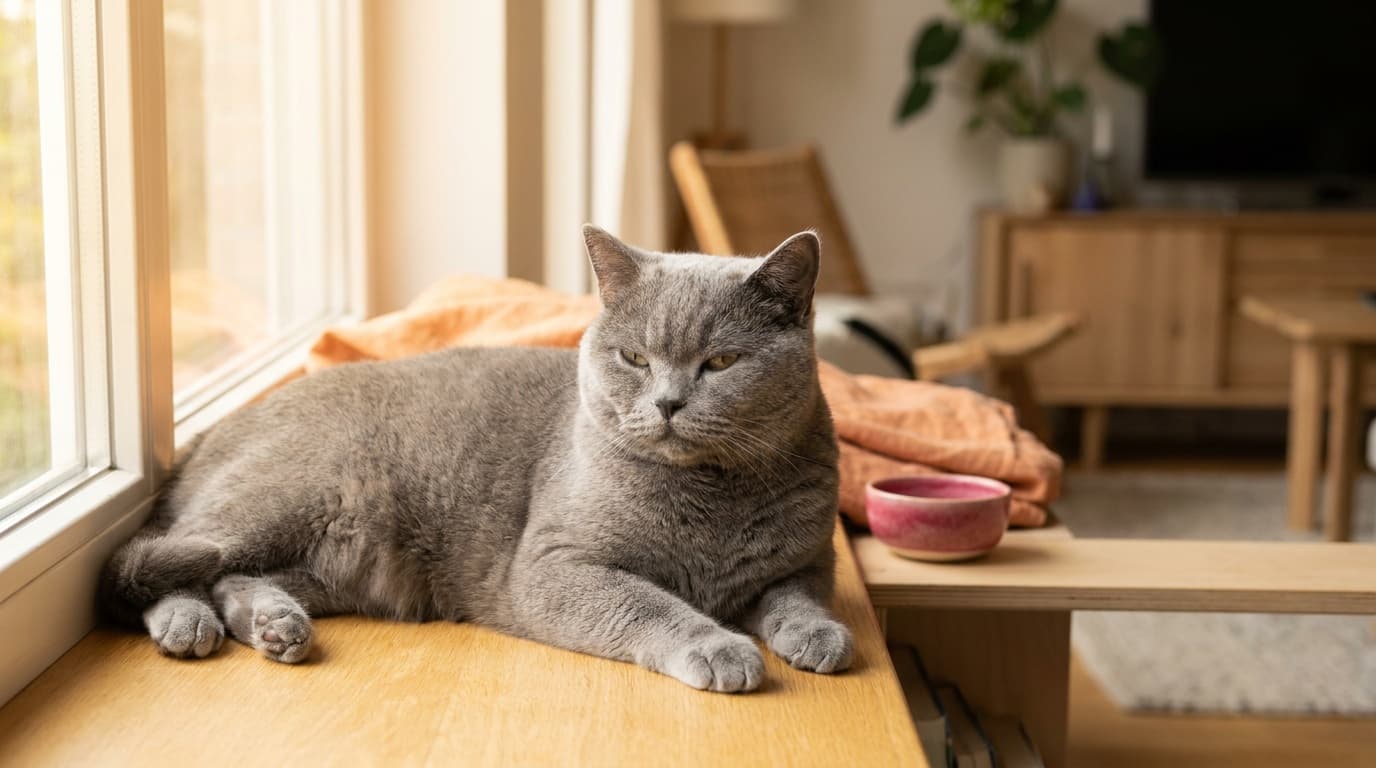
Cats are masters at hiding illness, so it helps to know which health issues come up often and what early changes might look like. The Cornell Feline Health Center maintains a broad library of feline health topics, and the pattern across them is consistent: subtle shifts in behavior and routine are usually the first sign that something is off. This article is a general overview of frequent problems and how regular care helps catch them, not a checklist for diagnosing your cat. Only your veterinarian can determine what any given sign means. When something seems wrong, the right next step is always a call.
Frequent issues to be aware of
No single article can cover every feline condition, but several categories come up often enough that owners benefit from awareness. These are areas to know exist, not things to diagnose at home.
- Dental disease. Plaque, tartar, and gum inflammation are common and can be painful, often showing as bad breath, drooling, or eating changes.
- Urinary issues. Problems with the urinary tract can cause straining, frequent trips to the litter box, or going outside it. Straining to urinate, especially in male cats, can be an emergency.
- Kidney disease. Chronic kidney disease is common in older cats and may show as increased drinking and urination, weight loss, or reduced appetite over time.
- Digestive upset. Vomiting and diarrhea have many causes, from hairballs to diet to illness.
- Parasites and skin issues. Fleas, mites, and other parasites can cause scratching and skin irritation.
- Weight problems. Obesity is common and raises the risk of other conditions, so body condition is worth monitoring.
- Behavior changes tied to health. Cornell's guidance on caring for a cat notes that issues such as house soiling or licking too much can have medical roots, not just behavioral ones.
Each of these is a category, not a diagnosis. The value in knowing them is recognizing when a change is worth a professional look.
General prevention
While you cannot prevent every problem, good routines lower the odds and help catch issues early. The ASPCA outlines the basics of general cat care, including fresh water available at all times, a balanced diet appropriate for your cat, a clean litter box, and a safe indoor environment. Beyond those fundamentals, prevention that pays off includes:
- Keeping fresh water accessible and monitoring how much your cat eats and drinks.
- Maintaining a healthy weight and staying alert to gradual weight change.
- Regular dental attention and watching for mouth changes.
- Year-round parasite prevention as advised by your vet.
- Keeping the litter box clean, which also makes changes in habits easier to notice.
- A calm, enriched home, since stress can contribute to some issues.
Why regular vet care matters most
The single most effective thing you can do is keep up with routine veterinary visits. Wellness exams give a professional the chance to catch problems in their early, manageable stages, often before you would notice anything at home. That is especially true as cats age, when many common conditions become more likely. Our guidance on how often dogs and cats should see the vet explains why regular checkups are worthwhile, and our senior cat care guide covers the extra monitoring that older cats benefit from.
When to call your veterinarian
You do not need certainty to justify a call. Reach out when you notice changes such as eating or drinking differently, weight loss or gain, vomiting or diarrhea that persists, changes in litter box habits, increased hiding or lethargy, or any shift from your cat's normal self. Some situations warrant urgent contact, including straining to urinate or an inability to urinate, difficulty breathing, collapse, or a cat that stops eating entirely. For a related look at subtle signals, our guide on telling if your cat is in pain covers the small behavioral cues worth watching.
The bottom line
Knowing the common problems is not about diagnosing your cat, it is about staying alert. Cats reward attentive owners because their earliest signals are quiet ones: a skipped meal, an extra water bowl visit, a change in the litter box. Pair that attentiveness with steady prevention and regular veterinary care, and you give your cat the best chance of small issues being caught while they are still small.