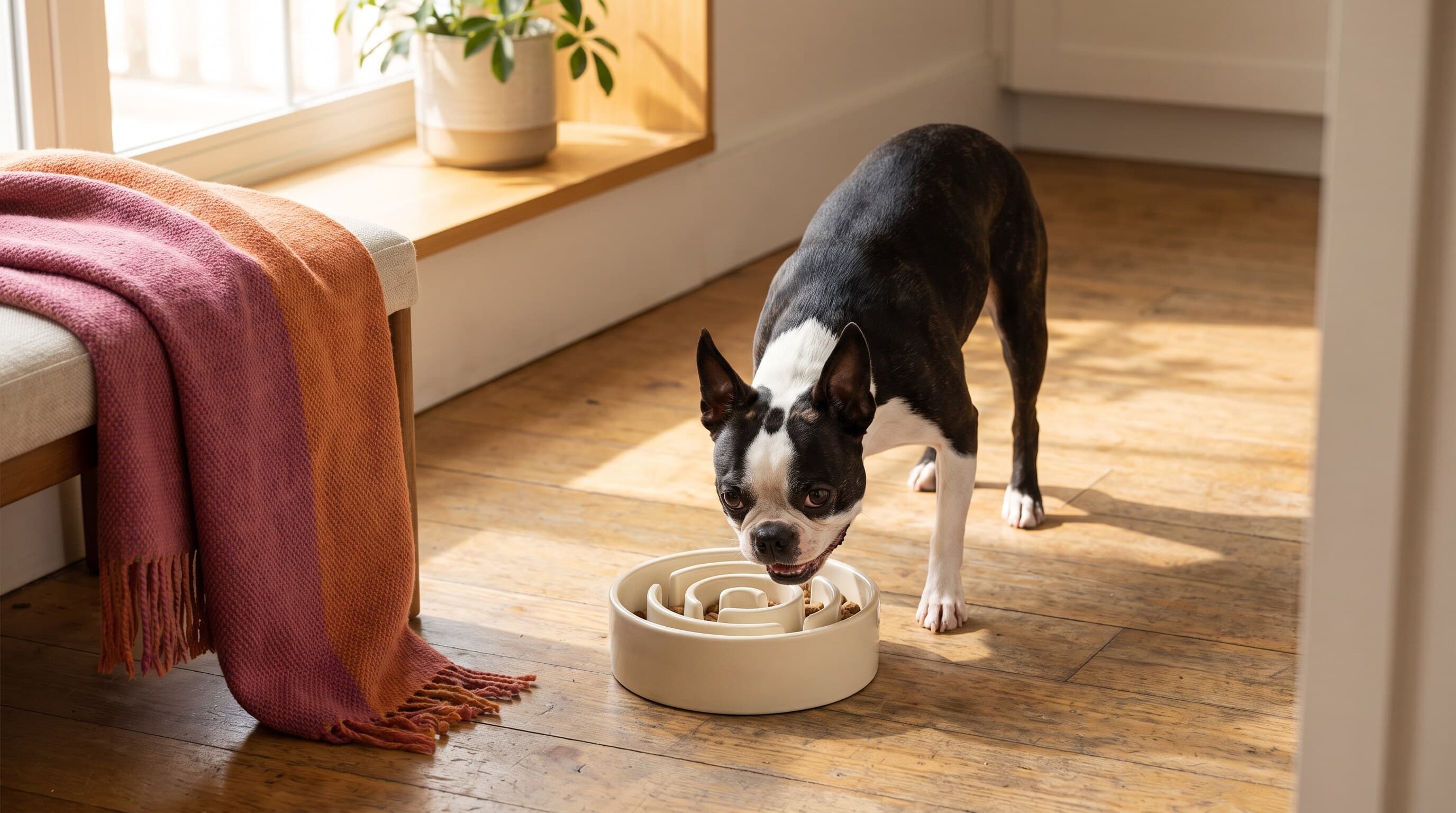
A dog that inhales a full bowl of food in 30 seconds swallows a lot of air along with it, which can lead to gulping, coughing, and discomfort. A slow feeder fixes this with raised ridges or a maze pattern that forces the dog to eat around the obstacles, turning a rushed meal into a slower, more deliberate one. The five bowls below cover the main options: the most-reviewed standard, a budget maze, a heavier ceramic version, and multi-pet-friendly picks. The right one depends on your dog's size and how sturdy you need the bowl to be.
Product details come from published specifications and patterns in owner feedback. House Pet Authority earns a commission from qualifying retailer purchases, at no cost to you.
Top picks at a glance
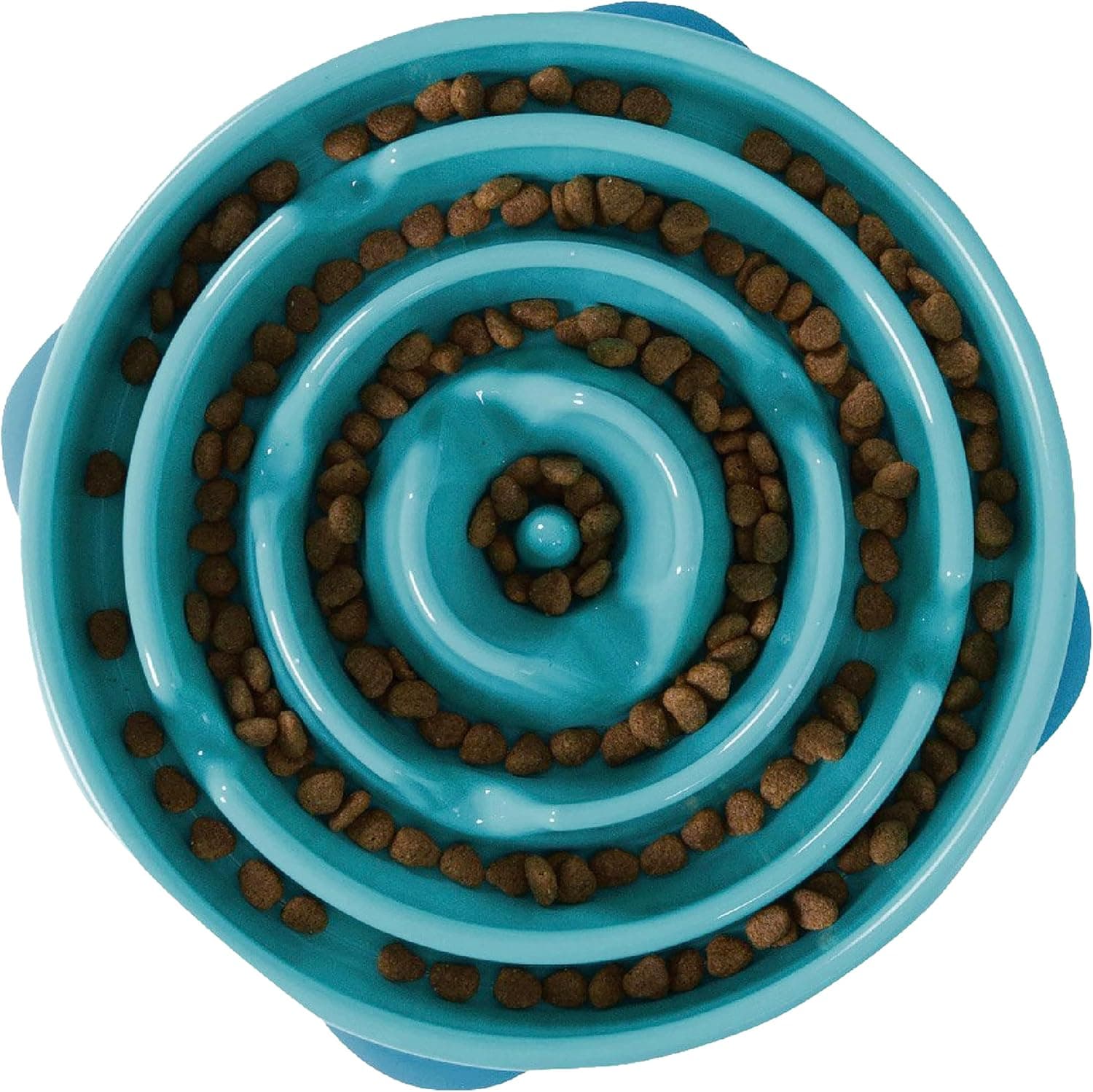 Best OverallFun Feeder Slo BowlShopView at Amazon for Outward Hound Fun Feeder Slo Bowl, Large 4-Cup Capacity, Non-Slip Slow Feeding Bowl (opens in a new tab)
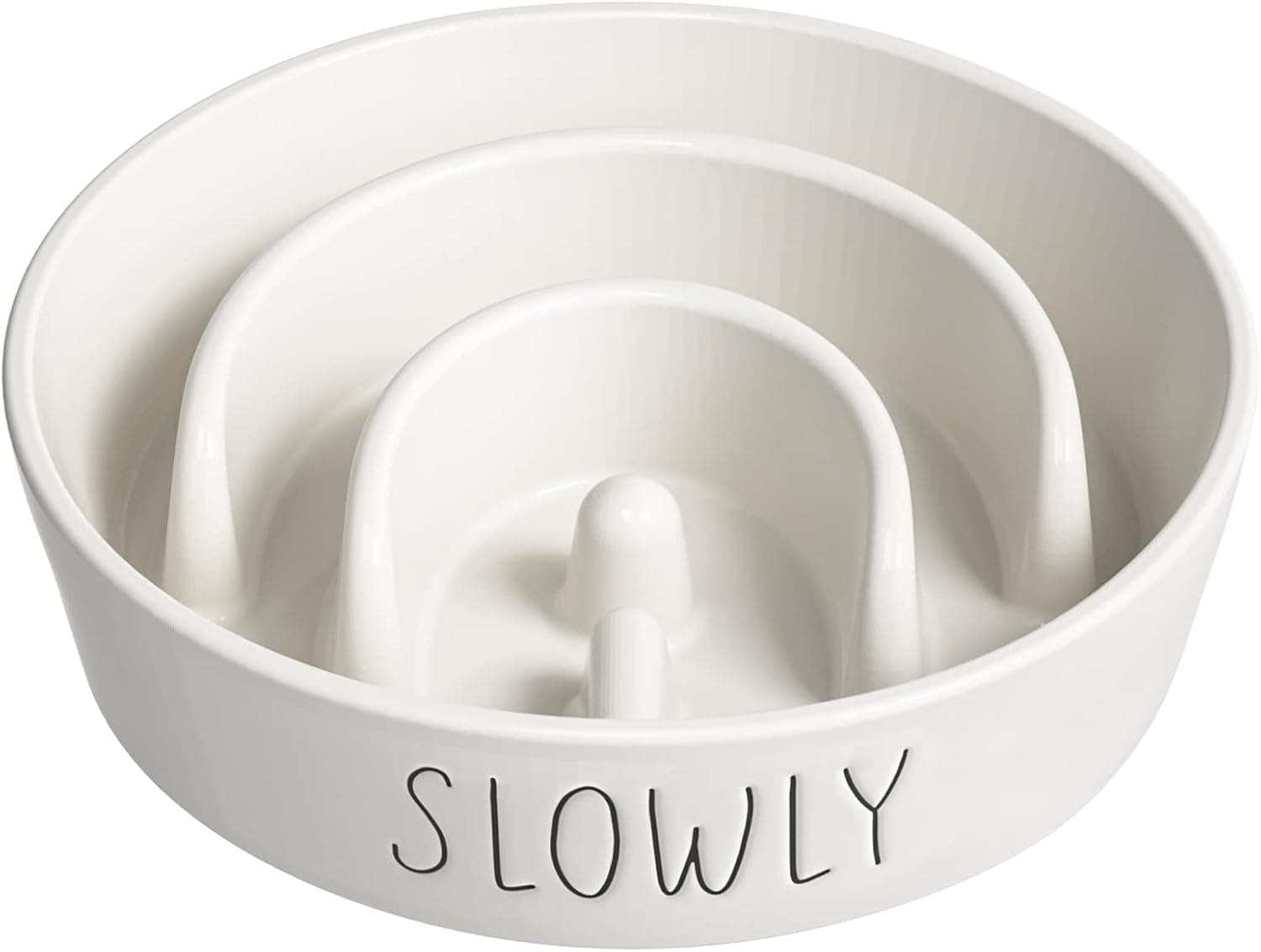 Ceramic Slow Feeder Dog BowlShopView at Amazon for LE TAUCI Ceramic Slow Feeder Dog Bowl, 1.5 Cups, Maze Puzzle Feeder for Small and Medium Breeds (opens in a new tab)
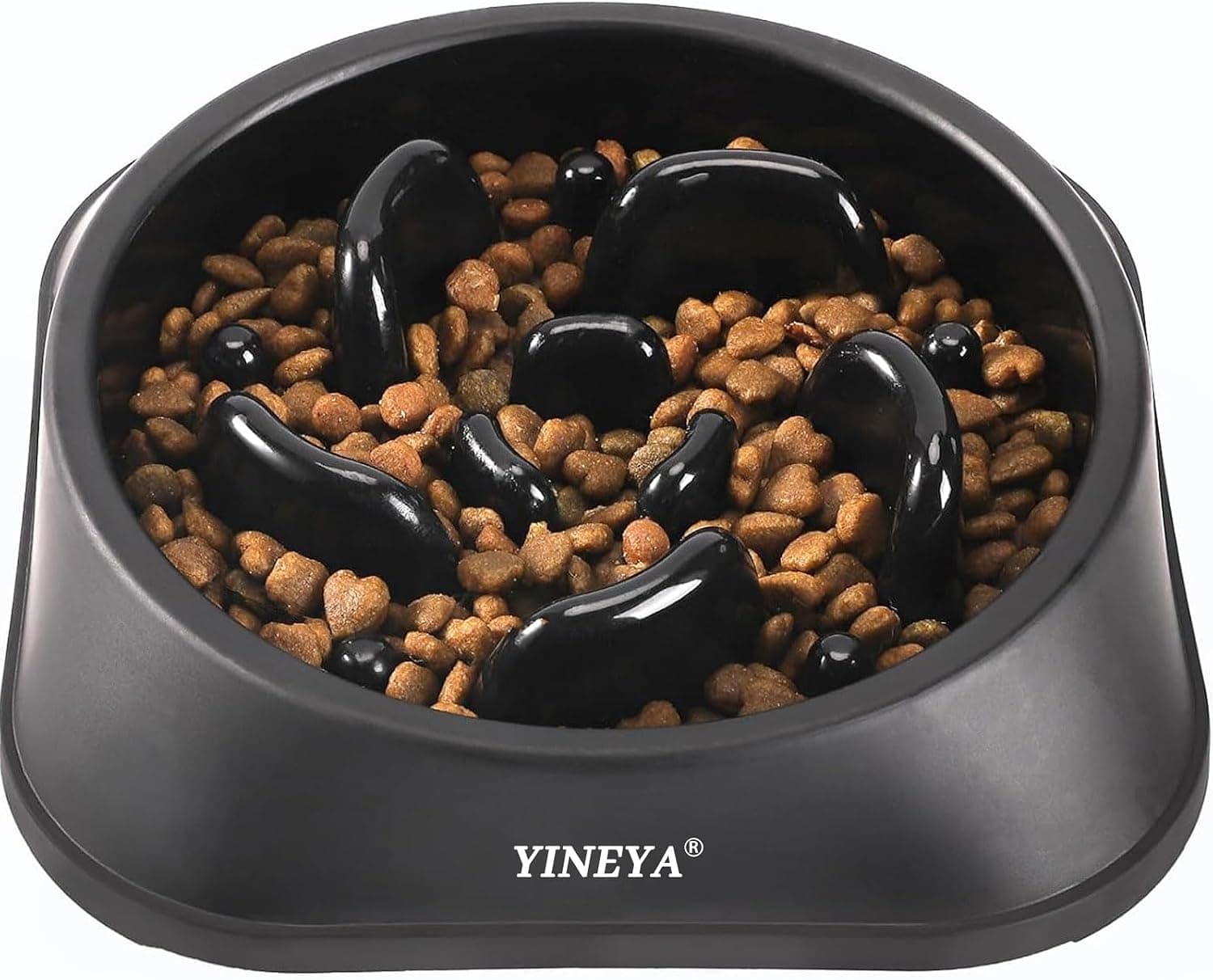 Best ValueSlow Feeder Dog BowlShopView at Amazon for YINEYA Slow Feeder Dog Bowl, Maze Puzzle Feeder for Medium Breeds (opens in a new tab)
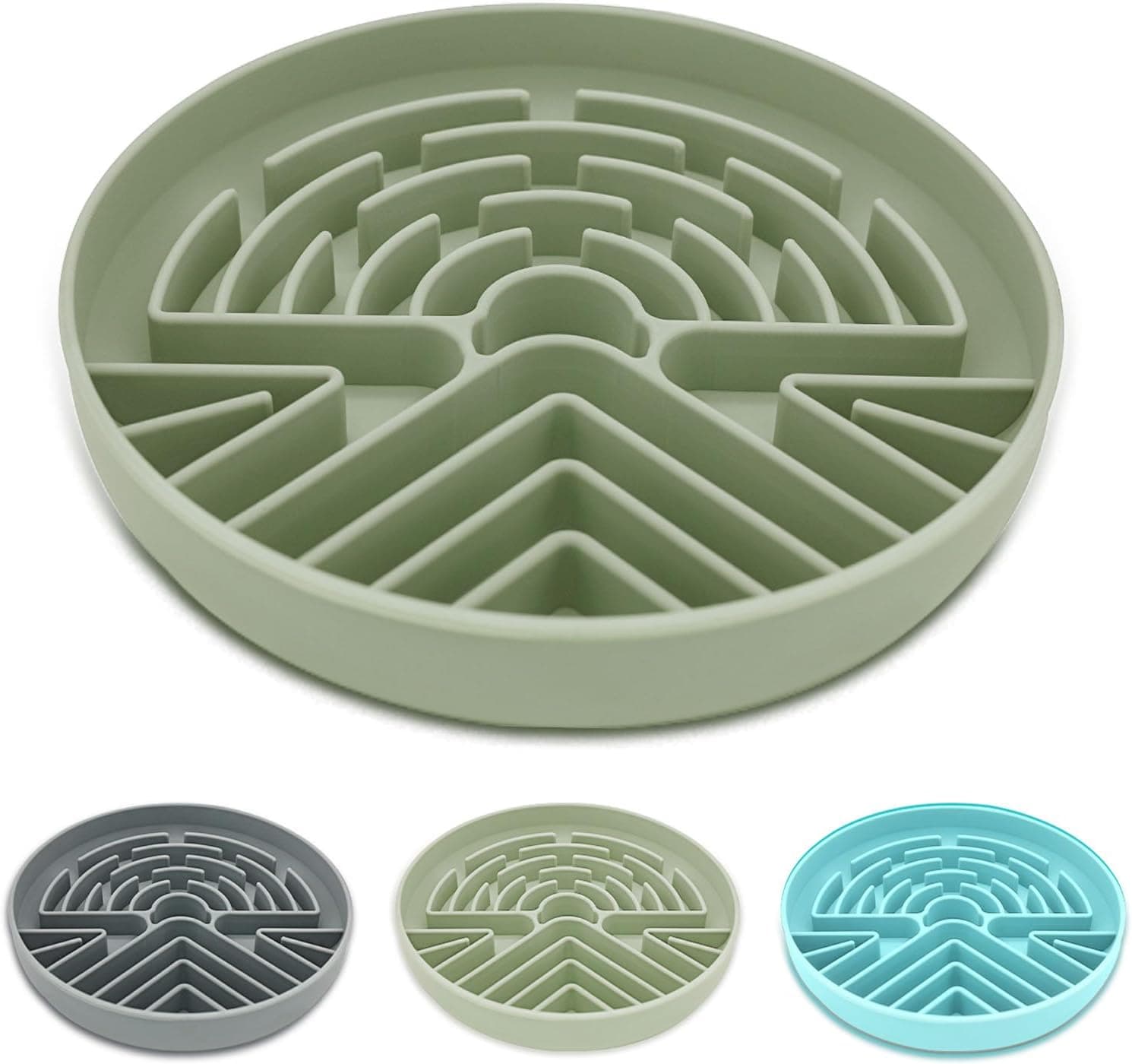 Slow Feeder Dog Bowl with Non-Slip BaseShopView at Amazon for Lesipee Slow Feeder Dog Bowl with Non-Slip Base, Anti-Choking Puzzle Feeder for Dogs and Cats (opens in a new tab)
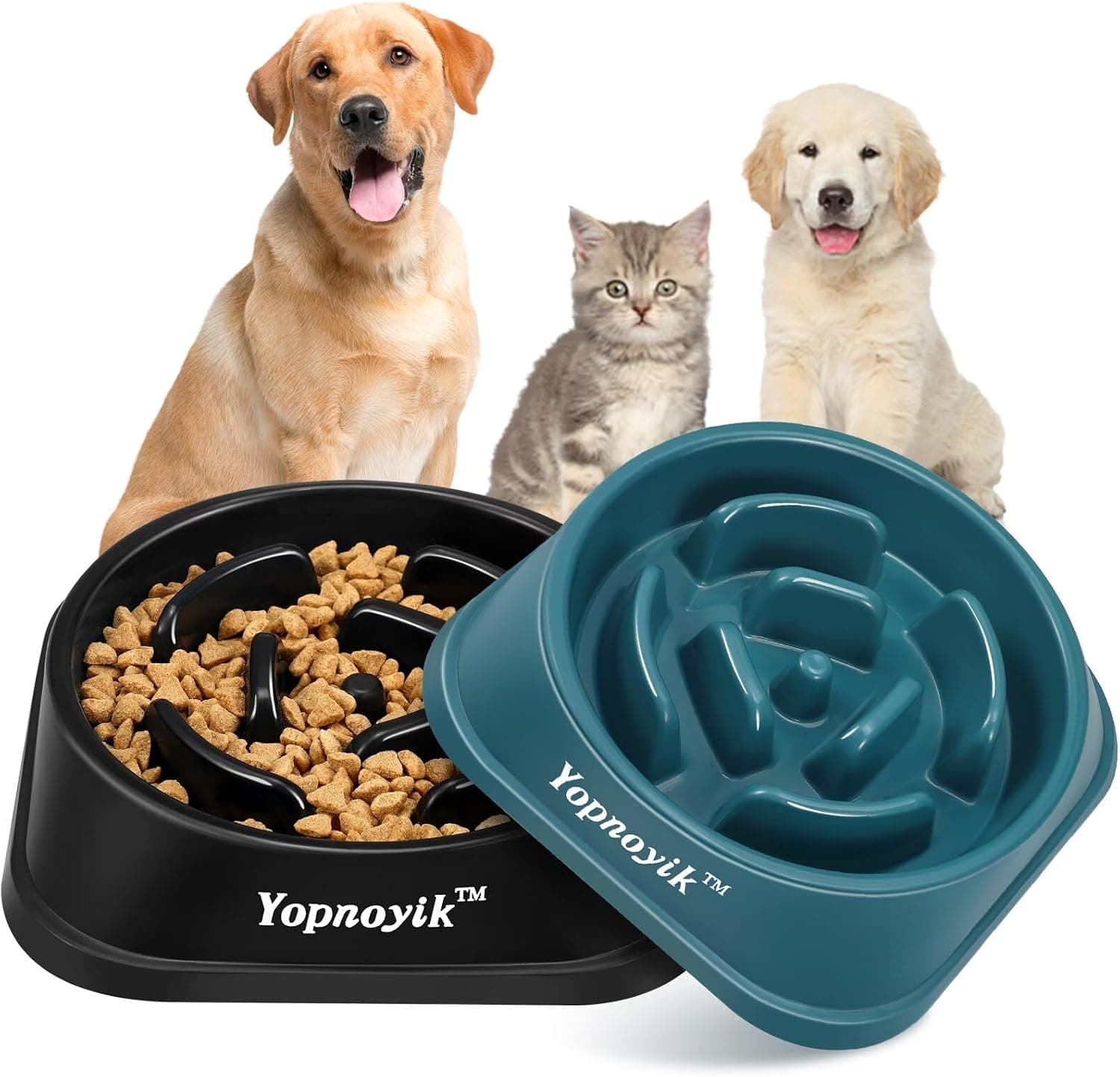 Slow Feeder Dog Bowls 2-PackShopView at Amazon for Yopnoyik Slow Feeder Dog Bowls 2-Pack, Non-Slip Anti-Choking Design for Medium Dogs and Cats (opens in a new tab)
How to choose a slow feeder bowl
Match the capacity and maze difficulty to your dog. A large bowl with deep ridges suits a medium or large dog eating a full meal, while a smaller bowl or shallower pattern fits toy and small breeds. Fast, gulping eating is one of the factors associated with bloat, and the American Kennel Club describes bloat as a serious emergency, which is part of why slowing a dog's eating pace is worth doing. A slow feeder is a management tool, not a guarantee against any condition.
After capacity, consider material and stability. Plastic bowls are light and inexpensive and usually top-rack dishwasher safe, while ceramic is heavier and stays put better but can chip if dropped. A non-slip base matters a lot: as a dog pushes its nose around the maze, a bowl that slides across the floor is frustrating and defeats the purpose. Multi-pet homes may prefer a two-pack to feed everyone at once.
The picks
OUTWARD HOUND
Fun Feeder Slo Bowl
- Capacity
- 4 cups (large)
- Pattern
- Raised maze ridges
- Base
- Non-slip feet
- Dog size
- Medium to large
- Care
- Top-rack dishwasher safe
A large slow-feeder bowl with raised maze ridges that force dogs to work around the pattern, slowing gulping and reducing bloating risk. The non-slip base keeps it in place. It is one of the most reviewed slow feeders on the market.
See more detailSee less detail
Strengths
- Massive review base and proven design
- Ridged maze meaningfully slows eating
- Non-slip base and dishwasher safe
Weaknesses
- Deep grooves take effort to hand wash
- Large size is more than small breeds need
Best for
Medium to large dogs that eat too fast
What owners say
The Outward Hound Fun Feeder is our top overall pick and the benchmark of the category, with one of the largest review bases of any slow feeder. This large size holds up to 4 cups, and its raised maze ridges force a dog to work around the pattern, which slows gulping. A non-slip base keeps it in place, and it is top-rack dishwasher safe for easy cleaning. It is well suited to medium and large dogs. The main consideration is simply picking the right size in the range, since Outward Hound makes several; this large version is aimed at bigger dogs and fuller meals.
LE TAUCI
Ceramic Slow Feeder Dog Bowl
- Material
- Ceramic
- Capacity
- 1.5 cups
- Pattern
- Maze design
- Dog size
- Small and medium breeds
- Care
- Dishwasher and microwave safe
A heavier ceramic slow feeder with a maze pattern, aimed at owners who dislike plastic bowls. The weight keeps it from sliding as the dog eats. It holds 1.5 cups for small and medium dogs.
See more detailSee less detail
Strengths
- Ceramic is heavy and easy to clean
- High rating from owners
- No plastic in the feeding surface
Weaknesses
- Ceramic can chip or crack if dropped
- Smaller 1.5 cup capacity
Best for
Owners who prefer a weighty, easy-clean ceramic feeder
What owners say
The LE TAUCI ceramic feeder is our pick for owners who dislike plastic. Its weight is the feature: at 1.5 cups with a maze pattern, the heavier ceramic body stays put as the dog eats without needing a rubber base, and it is dishwasher and microwave safe. It suits small and medium breeds. Ceramic also tends to feel more premium and resists scratches and odor that plastic can hold onto over time. The honest tradeoffs are the smaller capacity, which is not ideal for a large dog's full meal, and the fact that ceramic can chip or crack if knocked onto a hard floor.
YINEYA
Slow Feeder Dog Bowl
- Pattern
- Maze puzzle ridges
- Dog size
- Medium breeds
- Function
- Slows eating pace
- Base
- Anti-slip
- Care
- Easy to rinse
A budget maze-style slow feeder that spreads kibble through raised channels so dogs eat more slowly. It is sized for medium breeds. The low price makes it easy to add a second bowl for multi-dog homes.
See more detailSee less detail
Strengths
- Very low price
- Maze pattern slows fast eaters
- Good rating across thousands of reviews
Weaknesses
- Lightweight design can slide for strong dogs
- Best suited to medium breeds
Best for
Budget shoppers who want a simple maze feeder for a medium dog
What owners say
The YINEYA maze bowl is our best value pick, a straightforward budget slow feeder sized for medium breeds. Raised channels spread the kibble so the dog eats more slowly, and an anti-slip base keeps it steady. The low price is the draw: it makes it easy to add a second bowl for a multi-dog home without much cost. It covers the core function of a slow feeder without extras, so if you want the effect at the lowest reasonable price, it is a sensible starting point. Confirm the size suits your dog, since it is aimed at medium breeds specifically.
LESIPEE
Slow Feeder Dog Bowl with Non-Slip Base
- Pattern
- Puzzle ridges
- Base
- Non-slip silicone base
- Pets
- Dogs and cats
- Function
- Anti-choking, slower eating
- Care
- Easy to clean
A slow feeder with a non-slip silicone base that keeps the bowl steady while the dog navigates the puzzle ridges. It suits both dogs and cats. The design targets fast, gulping eaters.
See more detailSee less detail
Strengths
- Silicone base holds the bowl in place
- Works for dogs and cats
- Affordable price
Weaknesses
- Moderate review base
- Ridges require thorough washing
Best for
Homes wanting a steady, non-slip feeder for dogs or cats
What owners say
The Lesipee slow feeder leans on a non-slip silicone base to keep the bowl steady while the dog navigates the puzzle ridges, and it is rated for both dogs and cats. That stability is genuinely useful for an enthusiastic eater that would otherwise chase a lighter bowl around the kitchen. The anti-choking ridge design targets fast, gulping eaters, and it is easy to clean. It is a solid mid-list pick; the choice between it and the other plastic options often comes down to which size and base design fits your dog and floor best.
YOPNOYIK
Slow Feeder Dog Bowls 2-Pack
- Quantity
- 2-pack
- Pattern
- Anti-choking ridges
- Base
- Non-slip
- Pets
- Medium dogs and cats
- Care
- Easy to clean
A two-pack of slow feeders with ridged, anti-choking patterns and non-slip bases, useful for multi-pet homes. The pair costs little more than a single premium bowl. Each bowl slows eating to reduce bloating and overeating.
See more detailSee less detail
Strengths
- Two bowls in one purchase
- Non-slip bases
- Good value for multi-pet homes
Weaknesses
- Sized for medium pets
- Lightweight plastic construction
Best for
Multi-pet households wanting two slow feeders at once
What owners say
The Yopnoyik set is our pick for multi-pet homes, a two-pack of ridged, anti-choking slow feeders with non-slip bases sized for medium dogs and cats. The pair costs little more than a single premium bowl, so it is an efficient way to slow eating for two pets at once, or to keep a spare in rotation while one is in the dishwasher. Each bowl slows eating to reduce gulping and overeating. As with the other budget picks, the design is functional rather than fancy, but for feeding two pets on a budget it is hard to beat on value.
What mattered most
The comparison focuses on capacity, maze pattern, material, base and non-slip design, and cleaning. The picks include the most-reviewed standard, a ceramic option, budget plastic picks, and a multi-pet two-pack so the list fits different dogs and households.
A slow feeder is a helpful management tool for fast eaters, but it is not a medical device and does not prevent any specific condition; talk to your veterinarian about bloat risk and feeding if you have concerns, especially for deep-chested breeds. Prices are shown as bands rather than live quotes, since retail pricing shifts frequently and a fixed number would go stale between updates.