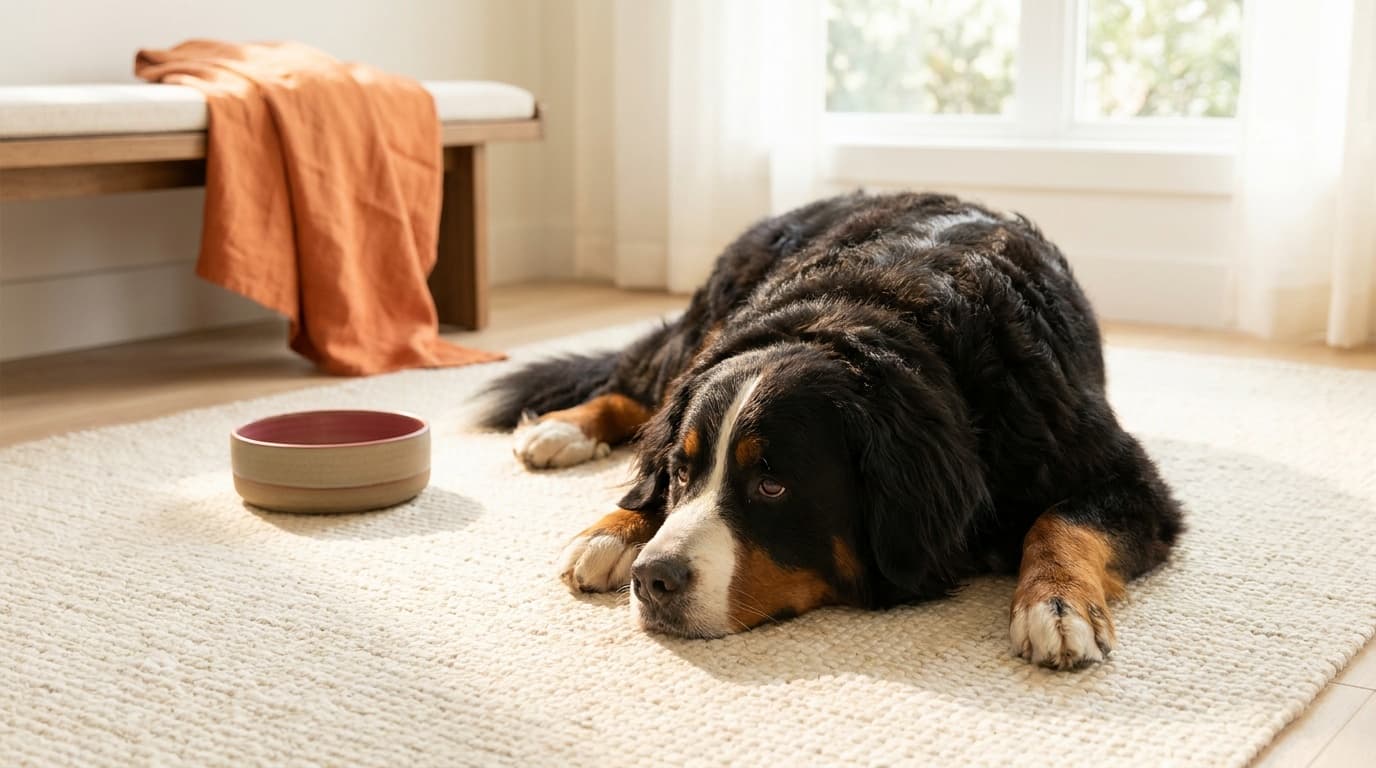
A limp is your dog's way of telling you that a leg hurts or is not working right, and the causes range from a minor tweak to a genuine emergency. The Cornell Riney Canine Health Center puts it plainly: limping usually indicates pain or weakness and deserves veterinary attention. This article covers the range of causes, how to think about rest versus urgent care, and why you should never reach for medication on your own. It is a guide to help you decide when to seek care, not a way to diagnose the cause or treat it at home. Only your veterinarian can identify what is wrong.
The wide range of causes
Limping, or lameness, can come from many different problems, which is why it cannot be diagnosed by watching alone. The American Kennel Club draws a helpful distinction between sudden and gradual onset. A limp that appears suddenly often follows an injury, such as a torn nail, a cut or bruised pad, a foreign object stuck in the foot, a sprain or strain, or a more serious injury like a fracture or ligament tear. A limp that comes on gradually more often reflects a chronic or degenerative condition, such as osteoarthritis or hip dysplasia.
The Merck Veterinary Manual notes that lameness signals a disorder in the musculoskeletal system, and can appear alongside weakness, limb swelling, or joint problems. Infections, tick-borne disease, and neurological issues can also cause a dog to favor a leg. Because so many very different conditions produce the same limp, the cause is genuinely not knowable from the outside.
Rest versus emergency
Not every limp is an emergency, but some clearly are, and it helps to know the difference. A very mild, brief limp in an otherwise happy dog, for example after hard play, may settle with rest and observation over a short period. But limping that persists, worsens, or comes with other signs is not something to wait out.
Signs that call for prompt or emergency veterinary care include:
- Inability to bear any weight on a leg, or an obviously dangling or dragging limb.
- A leg that looks deformed, or swelling that appears suddenly.
- Signs of significant pain: crying out, guarding the leg, or resenting touch.
- A limp that follows a major trauma such as a fall or being hit.
- Limping with fever, lethargy, or refusal to eat.
- Any suspected fracture, or a wound that is bleeding or deep.
For milder cases, the safe approach is short-term rest and close watching, with a call to your vet if the limp does not clearly improve, returns, or is joined by any of the signs above.
Why you should never medicate at home
This is the single most important rule with a limping dog: do not give any pain medication without veterinary direction. Common human pain relievers, including familiar over-the-counter options, can be toxic to dogs even in small amounts, and dosing is a decision only a veterinarian can make safely. Beyond the direct danger, masking pain can lead a dog to use an injured leg it should be resting, potentially making the underlying problem worse. Rest, calm, and a prompt call are the right first response, not the medicine cabinet.
What your vet can do
A veterinarian can examine the leg, localize the pain, and use tools like imaging when needed to find the cause, which is the part that actually determines care. Cornell's guidance notes that a thorough history and physical exam are critical first steps, so details help: which leg, when it started, whether it came on suddenly or gradually, and what your dog was doing beforehand. Because limping so often reflects pain, our related guide on telling if your cat is in pain shows how animals mask discomfort, a reminder that a limp may be more uncomfortable than it looks. For general timing, our guidance on how often dogs should see the vet covers routine care that helps catch developing joint issues.
The bottom line
A limp always means something, even when it looks minor. The safe response is calm observation and rest for a brief, mild limp, and a prompt call for anything that persists, worsens, or comes with signs of real pain. Never reach for human pain medication, and let your veterinarian find the cause. Because dogs hide discomfort, erring toward a phone call is almost always the right choice.